Where Science, Self, and Society Converge. Conventional healthcare systems are designed primarily to treat disease after symptoms appear but today Biohacking is challenging this model by asking a more fundamental question: What if we could intervene earlier—before disease becomes irreversible? … writes Soniya Kirpalani, Images/Video: Santosh Rai
Over the last five years, I have been hearing the words: Longevity and Bio-Hacking, almost in conjunction with each other. Yet in the 21st century humanity people are living longer—but not necessarily healthier or happier. Chronic fatigue, metabolic disorders, mental health challenges, depression, anxiety, autoimmune conditions, and lifestyle-driven illnesses are rising at an unprecedented pace, so increasingly, people are turning to biohacking as a personalized process of reclaiming their health.
Conventional healthcare systems are designed primarily to treat disease after symptoms appear but today Biohacking is challenging this model by asking a more fundamental question: What if we could intervene earlier—before disease becomes irreversible? So, when I heard about the World Bio Hack Summit, in Dubai, December Dubai 2025 I wanted to find path to from reactive medicine to preventive intelligence by understanding science behind biohacking to understand how to bridge the gap between lifespan and health span.

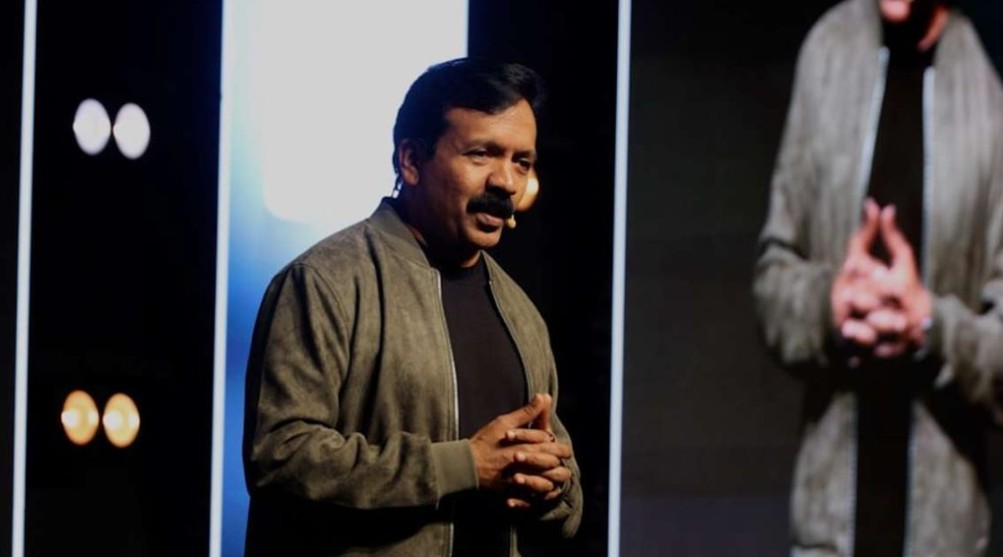
In its 3rd year, the World Biohack Summit 2025 in Dubai has emerged as a serious global platform for examining how longevity, lifestyle medicine, and human optimization can intersect. Curated by Dr. Sajeev Nair, brings together the finest global clinicians, researchers, technologists, therapists, and wellness practitioners to explore biohacking beyond trends or extremes. Over the two days, I got a into the core of biohacking as a practice. In the simplest terms it is all about understanding, measuring, and optimizing human biology— by using science, data, and self-awareness to improve one’s physical, mental, and emotional performance. And what rung a bell for me, is the clear emphasis on evidence-based practice, personalization, and accountability.
Bridging ancient wisdom with modern diagnostics, and preventive healthcare solutions Dr Sajeev Nair and the practitioners framed how Biohacking is a practical, participatory model of health, based on some scientific elements:
- Epigenetics: Though our genes often determine a part of our lives, it isn’t what controls our destiny. Lifestyle factors—nutrition, stress, sleep, movement, and environment—can switch genes on or off.
- Neuroplasticity: Which explores how the brain continuously rewires itself based on habits, thoughts, and behaviors.
- Metabolic flexibility: Health depends on how efficiently the body adapts to fuel demands and stressors.
- Hormonal balance: Sleep, circadian rhythm, and emotional regulation profoundly influence hormonal health.
Biohacking applies these principles through evidence-based tools such as sensor-based diagnostics, nutrition personalization, breathwork, cold and heat exposure, light therapy, mindfulness, and data-driven lifestyle modification.

Modern Biohacking isn’t elite or experimental anymore, as advances in AI, sensor technology, and mobile health apps are rapidly lowering the cost of collecting and analyzing personal health data, expanding market accessibility. Increased adoption by doctors, clinicians who use biohacking tools has further strengthened the market demand. Dr Nair explains “The future of healthcare is preventive, personalized, and participatory. People will no longer wait to become patients—they will become partners in their own health.”
Another reason for rapid adoption is the increased use of personal wearable and tracking devices. Tracking is the key shifts which has increased understanding as tracking biomarkers such as sleep quality, glucose response, inflammation, stress hormones, nutrient deficiencies, and even genetic predispositions, enables individuals to identify early warning signs and correct imbalances proactively. This empowers early intervention, helping build sustainable vitality through informed choices, community, and science-led guidance supported by smart medicine and nutrients.
Two of the key points, every doctor and expert at the summit stressed on, especially Dr Sajeev Nair, is the rejection of generic health advice. Two individuals with the same diagnosis may have entirely different underlying causes—gut health, micronutrient absorption, trauma, or sleep disruption. Biohacking emphasizes individual biology. Genetic testing, gut microbiome analysis, continuous glucose monitoring, and wearable technology allow biohacking strategies to be tailored with unprecedented precision and it is this personalization that dramatically improves outcomes and adherence.
Dr Swetha Adatia drove home the point on mental health and the mind–body axis as she shared case history on how emotional health are central to biological optimization. Chronic stress, negative belief patterns, and poor sleep directly alter brain chemistry, immune response, and hormonal balance. Practices such as meditation, breath regulation, cognitive reframing, and nervous system regulation are now recognized as biological interventions, not spiritual luxuries. In this sense, biohacking reconnects modern science with ancient wisdom—validating practices that cultures have relied on for centuries.
In our modern world cannot be overstated, with the rise in chronic illnesses overwhelming healthcare systems globally. There is a clear inequality in access to healthcare system. On the flip side lifestyle shifts, and digital overload has led to disrupted sleep, focus, and weakened our physical emotional resilience. This is leading people to seek scalable, preventive solutions that can support our longevity with vitality, so we can ease the social and economic pressure on our aging economies. Biohacking is a more decentralized model of health—where knowledge, tools, and responsibility shift closer to the individual, without rejecting medical expertise.
Consistently growing, from its current size of USD 32.9 billion US$ it is expected to USD 111–138 billion by 2034 at a CAGR around ~16–19%. Several factors are propelling this growth from the inclusion of wearables, smart supplements, personalized and online diagnostics, genetic tools, and other biohacking technologies across consumer and clinical segments. North America holds the largest share of the biohacking market, but Asia-Pacific is frequently forecast as the fastest-growing region, driven by rising health awareness and expanding middle-class demand for personalized health solutions.
Biohacking is ultimately about redefining our relationship with ourselves and our own health. It invites us to move from passive patients to active participants, from symptom suppression to system optimization, from fear of disease to cultivation of vitality. After visiting several experts, spending time with practitioners I understood that most powerful form of biohacking is not extreme—it is sustainable. Small, consistent lifestyle changes guided by data outperform radical interventions over time. Not all interventions are equal, and not all experimentation is safe and so the future of biohacking lies in evidence-based practice, medical collaboration, and informed consent, not reckless optimization.
As our ability to scientifically test increases, with quantum science and physics around the corner, so will the ability to listen to our body, understand its signals, and respond with intelligence. So optimistically I see the future of health is not only in hospitals or laboratories—but it is in daily choices, guided by science, awareness, and responsibility.