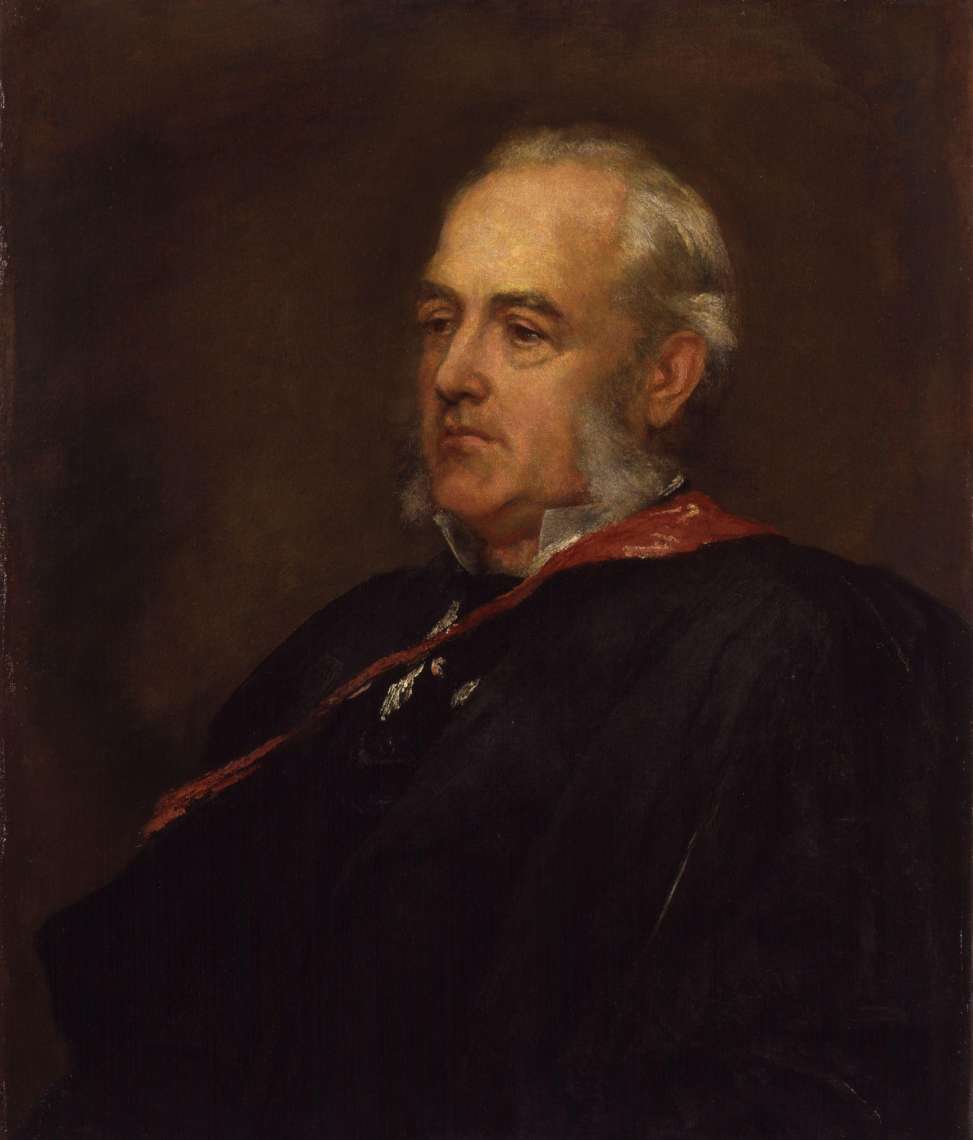
Muller In the last decades of his life he had already completed fifty volumes of Sacred Books of the East in English translation. In 1844, Muller studied Sanskrit at Berlin University with Friedrich Schelling and translated the Upanishads for Schelling
Friedrich Max-Muller (1823-1900) born in Germany, came from highly cultured family of poets and writers and was a great German Sanskritist and an Indological scholar. He began his study of Sanskrit under Prof. Hermann Brockhaus at Leipzig university. Brockhaus at the time was the head of Sanskrit faculty and a brother in law of Richard Wagner. Max Muller’s first work was the translation of the Hitopadesha book of fables published in Leipzig in 1844 and Kalidasa’s Meghaduta in 1847.
In 1846 he went to England at the behest of British Government to set up a chair at Oxford and became the first professor of Sanskrit and it is here he remained the rest of his life eventually becoming something of a celebrity scholar. With the support of East India Company, Muller began his critical edition of Rigveda with Sayana’s commentary it is this work that was to occupy him for more than three decades. Being a Philologist In 1850 he began lecturing on modern languages. In 1868 a chair in comparative philology was created for him the first to be established by the University of Oxford. Max Muller’s emphasis was mainly on Vedas, the Upanishads. His work was influential in both Europe and India. He was concerned with projects of the ‘comparative science of religion’ and ‘comparative mythology’(but he never spoke of comparative philosophy) for him the Vedic philosophy was the ultimate and nothing beyond.
At a time when Vedanta thinkers were engaged in a ‘search after truth’. He referred to Vedanta philosophy as a system in which has reached its zenith, India-Europe comparisons became irresistible in such an atmosphere of enthusiasm and receptivity for example, Idealists could perceive parallels between Sankara’s concept of ‘nirguna Brahma’(Brahman without qualities or ultimate reality) and such concepts as the Absolute.
Muller In the last decades of his life he had already completed fifty volumes of Sacred Books of the East in English translation. In 1844, Muller studied Sanskrit at Berlin University with Friedrich Schelling and translated the Upanishads for Schelling. In 1845 Muller went to Paris to study Sanskrit under French Indologist Eugene Burnouf and it was Burnouf who encouraged him to complete the work on Rigveda. Muller eventually became the leading intellectual proponent on the cultures of India. Muller concludes The recent discovery of Indo-European language had a lot in common between Greco-Roman cultures and those of more ancient Vedic culture of India, thought to be the ancestor of European classical cultures and Sanskrit was established as the oldest and mother of all the languages.
It was the celebrated Max Muller who gave the last two testimonies in 1882 lecture in defence of the “Character of the Hindus,” and he observed it surely extremely strange that whenever, either in Greek, Chinese or in Persian writings we meet with any attempts at describing the distinguishing features in the national character of the Indians, regard for truth and justice should always be mentioned first.
Swami Vivekananda a great admirer of Max Muller’s scholastic works, visited him in Oxford and inspired him to write about Vedantic philosophy for the Western world and Muller was instrumental in bringing international recognition to sage Ramakrishna through his article “A Real Mahatman.”
Although Max Muller never visited India, it is there that Muller retains his celebrity status, being honoured as Max Muller Bhavan in all the major cities (for Goethe Institute) and as respect a street in New Delhi named as “Max Muller Marg.”
With this article I Dilip Roy pay my ultimate tribute to this great German Indologist and Scholar extraordinaire Pundit Max Muller whose contribution to India’s ancient culture is Colossal.
( Dilip Roy is a researcher in cultural subjects and a Fellow of Royal Asiatic Society of Great Britain)