The deal, which requires US congressional approval, highlights rising tensions across the Taiwan Strait and renewed geopolitical strain in the Asia-Pacific region…reports Asian Lite News
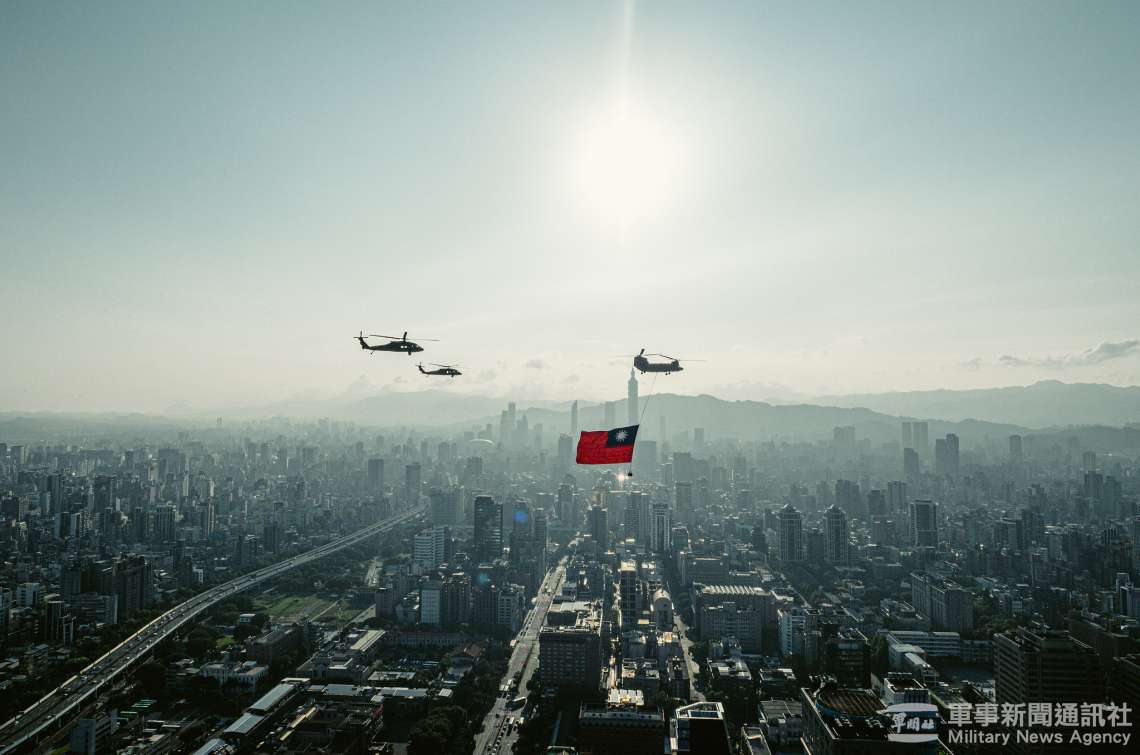
The Trump administration has unveiled plans for a major arms sale to Taiwan worth around $11bn (£8.2bn), including advanced rocket launchers, self-propelled howitzers and a range of missiles, in a move that has drawn swift condemnation from China. If approved by the US Congress, it would be the second arms package offered to Taipei since Donald Trump returned to the White House in January.
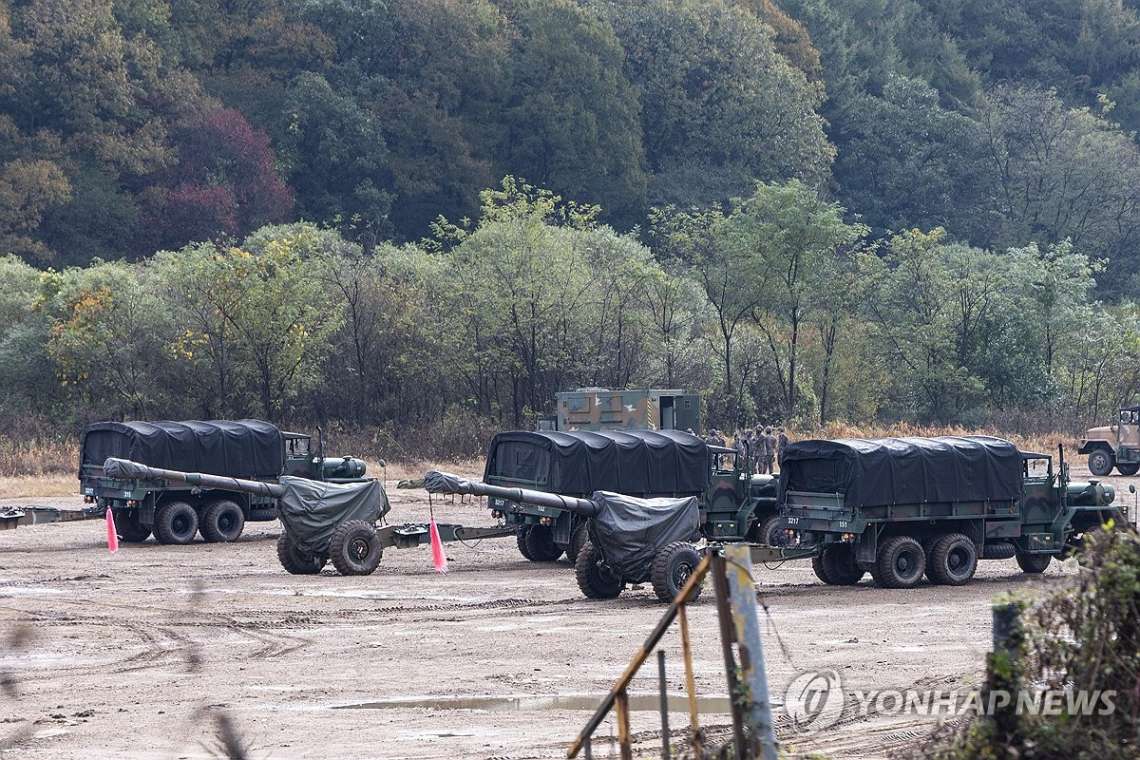
The package was formally notified by the US Defense Security Cooperation Agency late on Wednesday and features High Mobility Artillery Rocket Systems (Himars) valued at about $4bn, alongside self-propelled howitzers worth a further $4bn. Additional components include various missile systems designed to strengthen Taiwan’s defensive capabilities. US officials said the proposed sale reflects Washington’s commitment to supporting Taiwan’s military modernisation and maintaining stability in the region.
China, which regards self-governed Taiwan as a breakaway province, reacted angrily to the announcement, warning that it threatened regional security and undermined Chinese sovereignty. Beijing has long opposed any arms sales to Taipei, arguing they violate the “one China” principle under which most countries, including the US, maintain formal diplomatic relations with the People’s Republic of China rather than Taiwan.
A spokesman for China’s foreign ministry said the deal “severely undermines China’s sovereignty, security and territorial integrity”, and warned that attempts by the US to bolster Taiwan militarily would only worsen tensions across the Taiwan Strait. Beijing has repeatedly vowed to “reunify” with Taiwan and has not ruled out the use of force to achieve that goal.
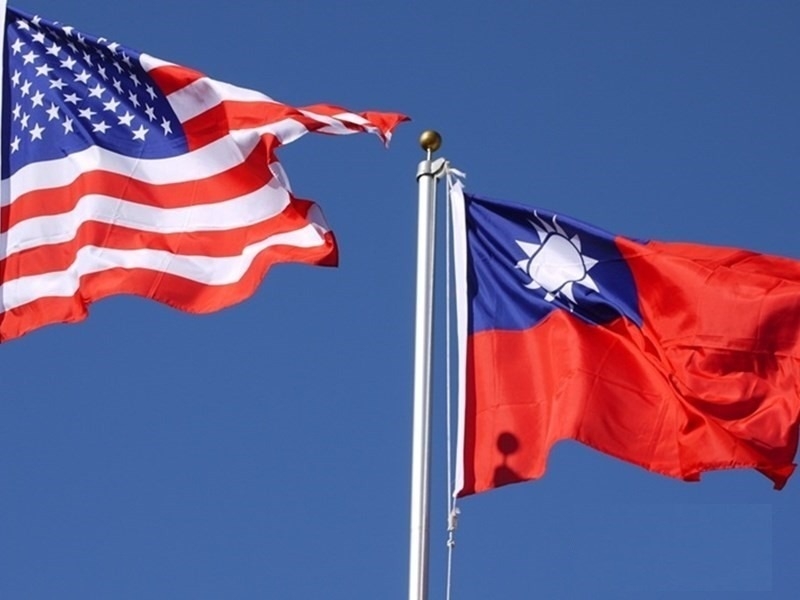
Taiwan’s defence ministry, by contrast, welcomed the announcement and thanked Washington for its continued support. It said the proposed sale would help the island “rapidly build robust deterrence capabilities” at a time of increasing pressure from the mainland. Taipei has in recent years stepped up efforts to strengthen its defences, citing growing concern over China’s military posture.
Although the US does not have formal diplomatic ties with Taiwan, it remains the island’s most important security partner and its largest supplier of arms. Washington has for decades pursued a carefully calibrated policy that acknowledges Beijing’s position while providing Taiwan with defensive weapons under the Taiwan Relations Act. That approach has come under increasing strain as cross-strait relations have deteriorated.
The scale of the latest proposed sale is notable when set against recent history. During the previous administration under Joe Biden, the US approved 19 rounds of arms sales to Taiwan totalling $8.38bn. In Trump’s first term, arms packages approved for Taiwan amounted to $18.3bn in total, with the largest single deal valued at $8bn. If the current proposal goes through, it would exceed any individual package previously authorised.
The US State Department said the deal served American interests by supporting Taiwan’s efforts to modernise its armed forces and maintain a credible defensive capability. Officials in Washington argue that strengthening Taiwan’s ability to defend itself is essential to deterring conflict and preserving peace in the region, even as they emphasise that the US does not support Taiwanese independence.
For Taiwan, the perceived threat from China has become increasingly acute. The island plans to raise defence spending to more than 3% of gross domestic product next year, with a target of up to 5% by 2030. In October, President Lai Ching-te announced plans to build a dome-like air defence system to protect against what he described as “hostile threats”, without naming China directly.
Tensions have also been rising more broadly across East Asia, as China has grown more assertive in asserting its military presence. In June, Japan lodged a protest after Chinese aircraft carriers carried out an unprecedented naval drill in the Pacific. More recently, Tokyo and Beijing have clashed diplomatically after Japan’s prime minister suggested the country could deploy its self-defence forces if China were to attack Taiwan.
This month, tensions escalated further when vessels from both sides faced off near disputed islands, and Chinese fighter jets were reported to have locked radar on Japanese aircraft. Against that backdrop, the proposed US arms sale to Taiwan is likely to remain a flashpoint, deepening divisions between Washington and Beijing and adding to uncertainty over the future stability of the Taiwan Strait.