New official figures also show a decade-high number of children growing up in households where no adult is in work, underscoring mounting economic pressures
Bangladeshi and Pakistani communities in Britain, particularly in London, are experiencing the highest levels of unemployment in the country, according to new data that also reveal a sharp rise in the number of children living in workless households. The figures point to deepening inequalities in the labour market, with ethnic minority families disproportionately affected as economic conditions weaken.
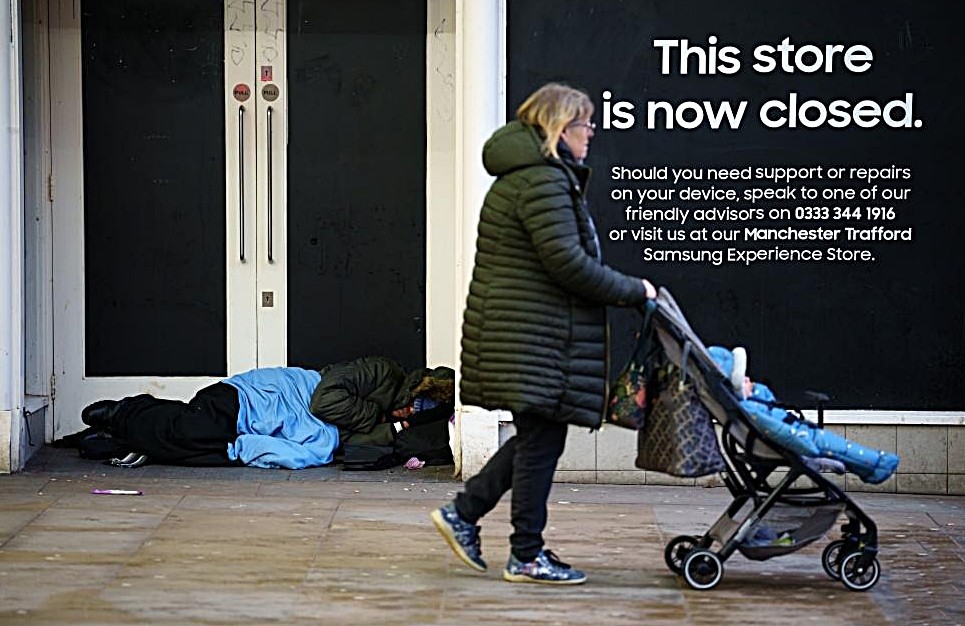
Data from the UK Office for National Statistics show that around 1.5 million children spent Christmas this year in households without any earned income, an increase of nearly 150,000 compared with last year. This is the highest level recorded in 11 years and reflects growing instability in Britain’s labour market, where the effects of slower growth, rising costs and structural changes are being felt unevenly across communities.
The data indicate that Bangladeshi and Pakistani citizens of working age are the worst affected by unemployment nationally. In London, around 39.5% of working-age residents from these communities are unemployed, the highest rate among all ethnic groups in the capital. This compares with an overall unemployment rate of 5.1% across Britain.
The disparity is also clear when broken down by ethnicity at a national level. While the unemployment rate among white Britons stands at 4.3%, it rises to nearly 8.8% among Black and Asian communities. Analysts say Bangladeshi and Pakistani households remain particularly vulnerable due to a combination of structural inequalities, concentration in lower-paid sectors and long-term economic pressures that have intensified since the pandemic.
London shows an even starker divide. About 20.7% of white working-age residents in the capital are unemployed, compared with nearly 40% of South Asians who are without work or any source of income. Community leaders and researchers warn that such gaps are contributing to rising levels of economic insecurity and social exclusion, particularly in areas with high housing and living costs.
The capital has increasingly emerged as the focal point of Britain’s unemployment challenges. In the final quarter of 2025, London’s unemployment rate climbed to 6.8%, significantly above the national average. Economists attribute this in part to the city’s heavy reliance on sectors such as hospitality and retail, which employ large numbers of Bangladeshi and Pakistani workers and have been hit hard by reduced consumer spending and higher operating costs.
Recent government decisions to increase National Insurance contributions and raise the minimum wage have added further pressure on employers, industry sources say. Many businesses, particularly smaller firms in service industries, have responded by freezing recruitment or cutting staff, reducing opportunities for workers in low-paid and migrant-heavy roles. These trends have compounded existing vulnerabilities in communities already facing barriers to stable employment.
The wider economic impact is becoming increasingly apparent across the country. The number of workless households in Britain has now surpassed three million, according to the latest estimates. Long-term illness and physical disability are major contributing factors, with nearly 40% of individuals in workless households having left the labour market due to health-related conditions since the Covid-19 pandemic. This has raised concerns about the capacity of public services and the long-term sustainability of welfare support.
Economists warn that the growing concentration of unemployment among specific ethnic groups risks trapping families in long-term welfare dependency, particularly in urban areas where living costs are highest. Children growing up in households without earned income are more likely to experience poorer outcomes in education and health, potentially reinforcing cycles of disadvantage over generations.
The outlook for 2026 remains challenging. Britain’s economic growth is forecast to slow to around 1% amid persistently high interest rates and weak consumer confidence. Unemployment is expected to rise further to about 5.2% by mid-2026, according to current projections, raising fears that the gap between different communities could widen unless targeted interventions are introduced.
Muzibur Rahman, a councillor at Newham Council in London said that tackling unemployment among Bangladeshi and Pakistani communities must be a priority for the government. “The biggest challenge in the coming year will be bringing people, especially those on long-term benefits, back into work,” he said. “Without targeted support and job creation, inequality in communities like ours will only deepen.”
Policy experts argue that addressing the issue will require a combination of measures, including targeted skills training, support for people with long-term health conditions, and investment in sectors capable of providing secure employment. Without such steps, they warn, the latest figures risk becoming entrenched, with long-lasting social and economic consequences for some of Britain’s most disadvantaged communities.