As General Asim Munir tightened his grip on power in 2025, Pakistan sank deeper into political turmoil, economic distress and security crises, reshaping its future uncertainly….reports Asian Lite News
As 2025 draws to a close, Pakistan finds itself trapped in a paradox that has come to define the country’s political trajectory: while the state grapples with economic distress, social unrest and persistent security crises, unprecedented power has accumulated in the hands of its army chief, General Asim Munir. Without tanks on the streets or a formal declaration of martial law, Pakistan has nonetheless witnessed one of the most far-reaching shifts in civil–military relations in its history.
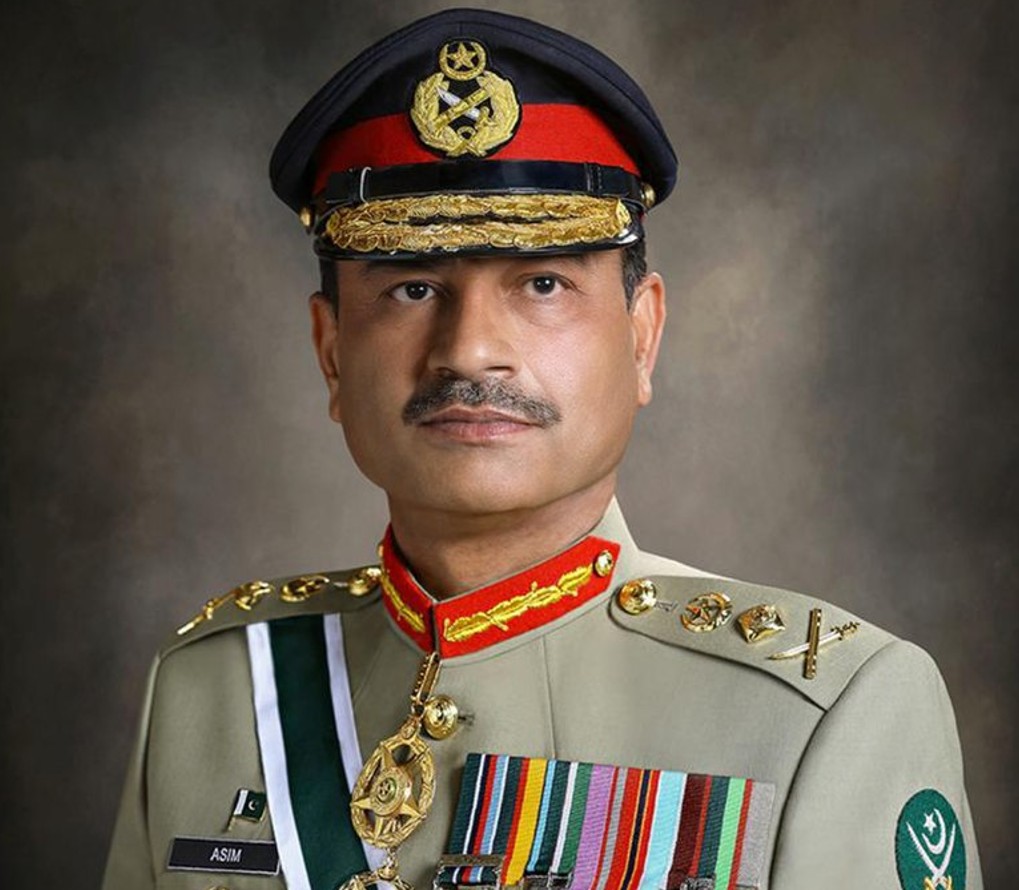
Over the past year, General Munir has consolidated authority over the civilian government through constitutional engineering, institutional restructuring and a carefully curated national security narrative. The result has been a military leadership that wields unmatched influence over governance, foreign policy and internal security, even as the country’s underlying problems deepen.
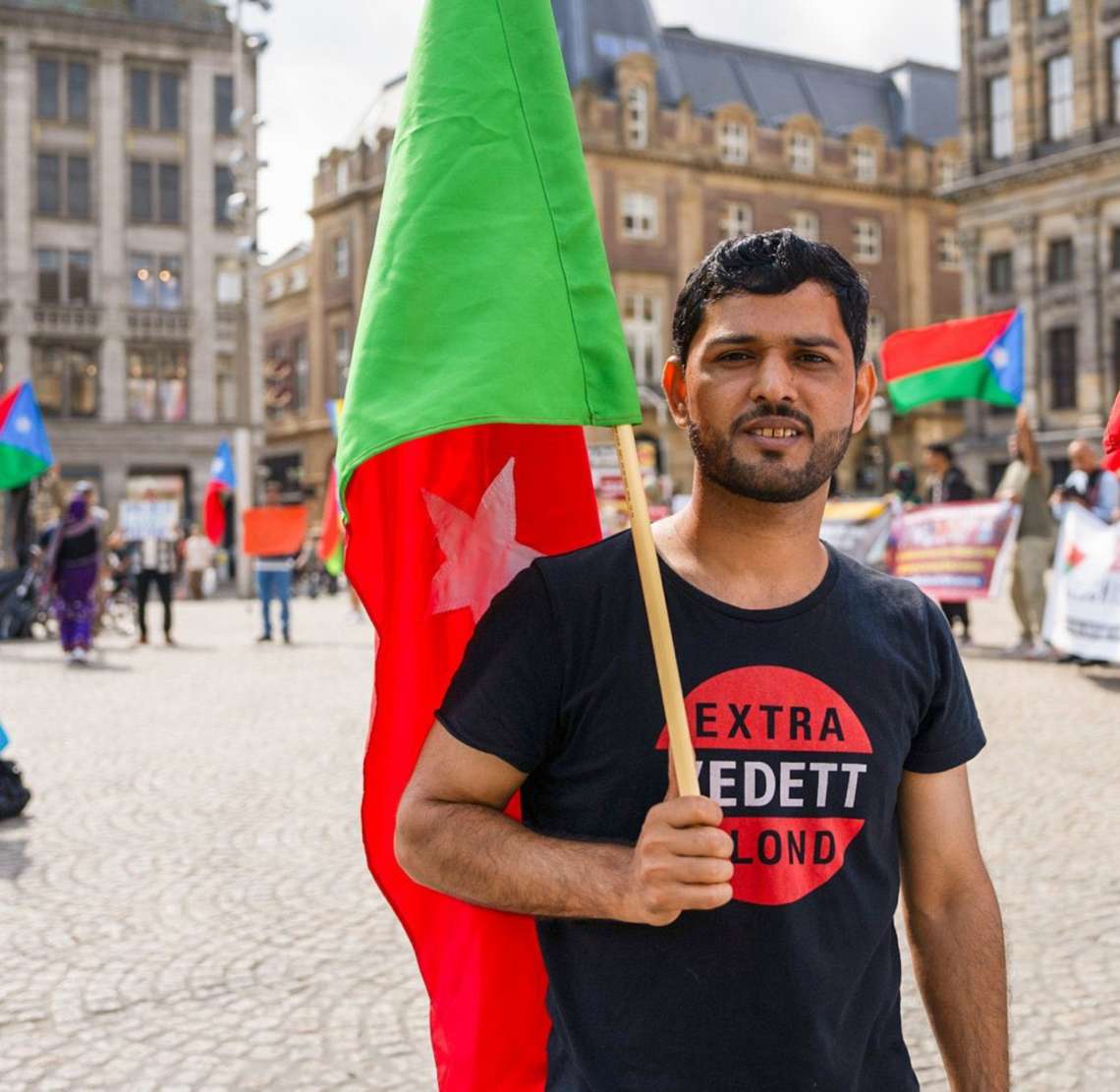
Despite being elevated to the rank of Field Marshal, Munir’s rise has not been accompanied by any battlefield success. Instead, 2025 has seen Pakistan’s internal security environment deteriorate further. Balochistan continues to witness insurgent attacks and heavy-handed state responses that have fuelled resentment and displacement. In Khyber Pakhtunkhwa, recurring clashes between security forces and militant groups have strained resources and unsettled border districts, while tensions in Pakistan-Occupied Jammu and Kashmir remain unresolved.
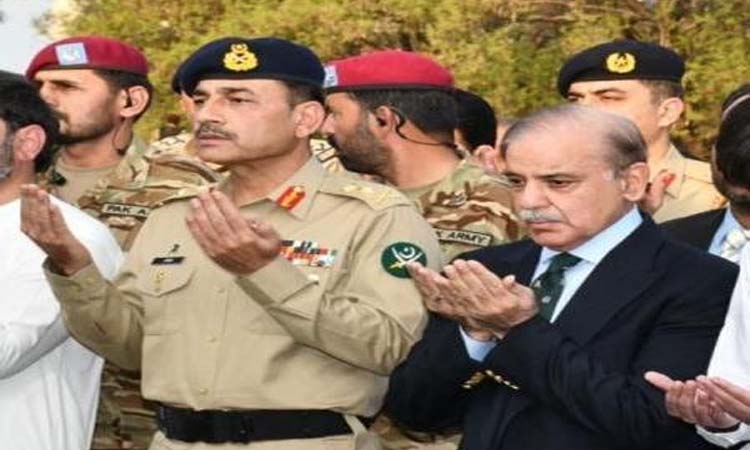
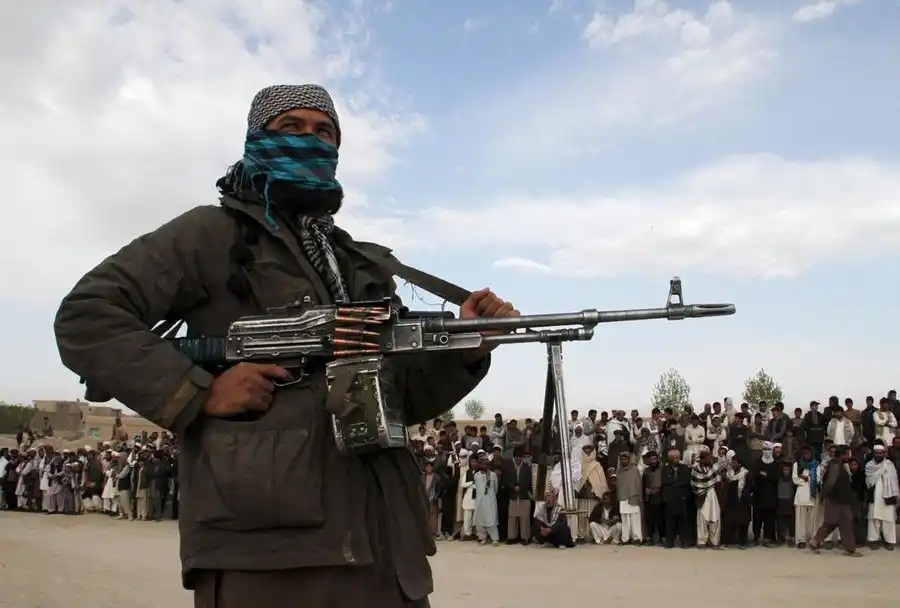
The Afghan frontier has added another layer of volatility. Trade and cross-border movement have remained largely suspended since an October 11 attack by Taliban-linked elements, reportedly in retaliation for Pakistani air raids. The situation has complicated counterterrorism operations and refugee management, creating fresh humanitarian and security challenges along the western border.
Domestic politics has been no less turbulent. Protests led by Pakistan Tehreek-e-Insaf (PTI) have intensified over the prolonged and near-solitary imprisonment of former prime minister Imran Khan. Political polarisation has paralysed governance and eroded public trust, making consensus-driven reform increasingly elusive.
Against this backdrop, Pakistan’s economy remains under severe strain. Growth has stagnated, the currency has remained volatile and external financing has come with stringent conditions that limit policy flexibility. Analysts warn that political instability could derail reform commitments, while external shocks such as commodity price spikes pose additional risks.
The debt burden has become especially alarming. According to the Pakistan Economic Survey 2024–25, the country’s total debt stood at Pakistani Rs 76.01 trillion, or roughly USD 267 billion, by the end of March. Domestic debt accounted for around USD 180 billion, while external debt stood at approximately USD 86 billion. Islamabad faces external debt repayments exceeding USD 23 billion in the current fiscal year, with total foreign debt repayments and interest estimated at over USD 30 billion.
Concerns have also grown around the China–Pakistan Economic Corridor (CPEC), once touted as a game-changer for Pakistan’s economy. Several projects remain incomplete amid security concerns, environmental challenges and financial stress. Critics warn that Islamabad risks falling into a debt trap, with limited returns to show for its massive borrowing.
Many analysts argue that militarised governance amid economic malaise has skewed national priorities. Security spending continues to take precedence over structural reforms needed to revive investment, generate employment and stabilise public finances. The gap between state narratives of stability and the lived reality of citizens has widened, fuelling public discontent.
Foreign policy, too, has reflected this uncertainty. Pakistan has oscillated between courting the United States for security cooperation and economic engagement, while relying on China for strategic backing and infrastructure investment. This balancing act has created ambiguity for both partners and heightened regional unease.
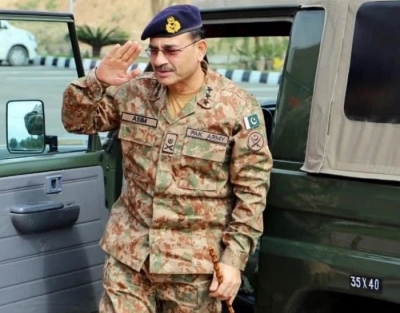
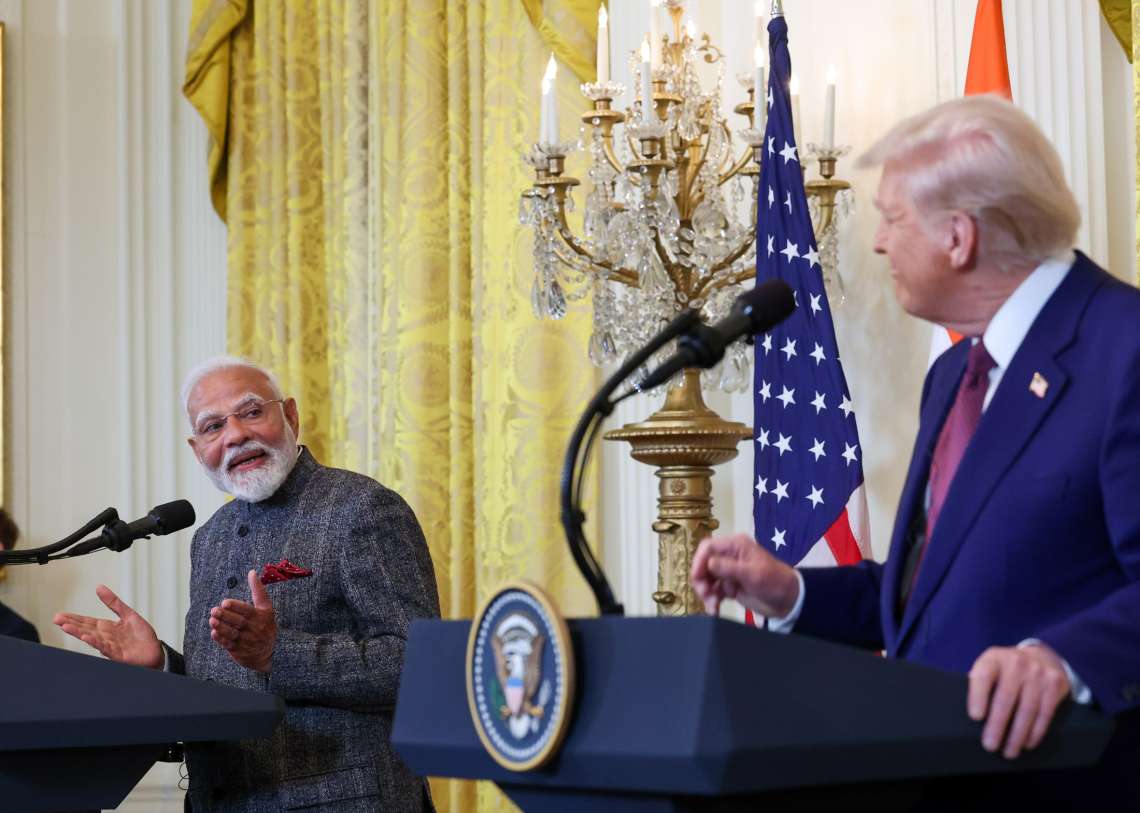
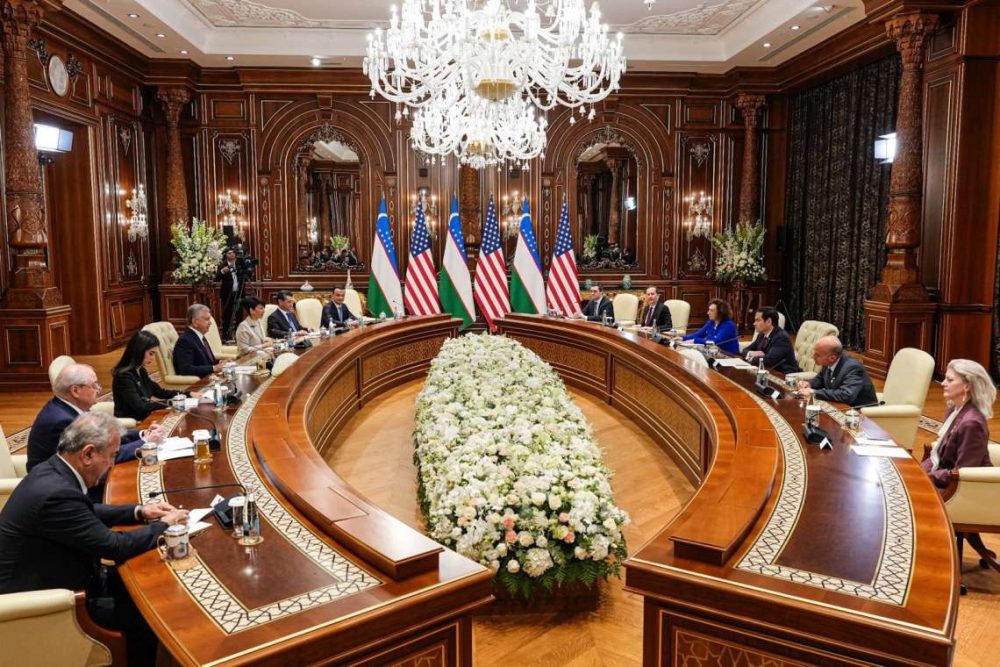
In a striking illustration of this dual-track diplomacy, Prime Minister Shehbaz Sharif and General Munir met US President Donald Trump in Washington on September 25. Images from the meeting showed Pakistani leaders promoting rare earth minerals, while reports suggested that Islamabad had even offered port access for American development. The episode underscored the military’s central role in shaping Pakistan’s external engagements.
Munir’s ascent has been rapid and transformative. Over the course of the year, he was elevated into a newly created overarching defence role that centralised command over the army, navy, air force and the nuclear arsenal. Legislators passed what has been widely referred to as the 27th Amendment, replacing collective command structures with a single Chief of Defence Forces post, while extending tenure protections and legal immunities for the incumbent.
Critics have described the move as a “constitutional coup”, arguing that it dismantled civilian oversight mechanisms and insulated the military leadership from parliamentary and judicial scrutiny. While state messaging framed the changes as essential for national stability, detractors say they entrenched unchecked authority at a time when transparency and accountability were most needed.
The year also saw Pakistan suffer strategic setbacks. In May, several army installations and terror launchpads were destroyed during India’s Operation Sindoor, launched in response to a deadly terrorist attack in Pahalgam that killed tourists and a local pony operator. Though Pakistan downplayed the damage, the episode exposed vulnerabilities in its security posture.
Subsequent reports suggest attempts to rebuild militant infrastructure, raising concerns that lessons from past confrontations have gone unheeded. As 2026 approaches, Pakistan faces a sobering reality: a powerful military leadership presiding over a nation burdened by debt, instability and unresolved conflicts.