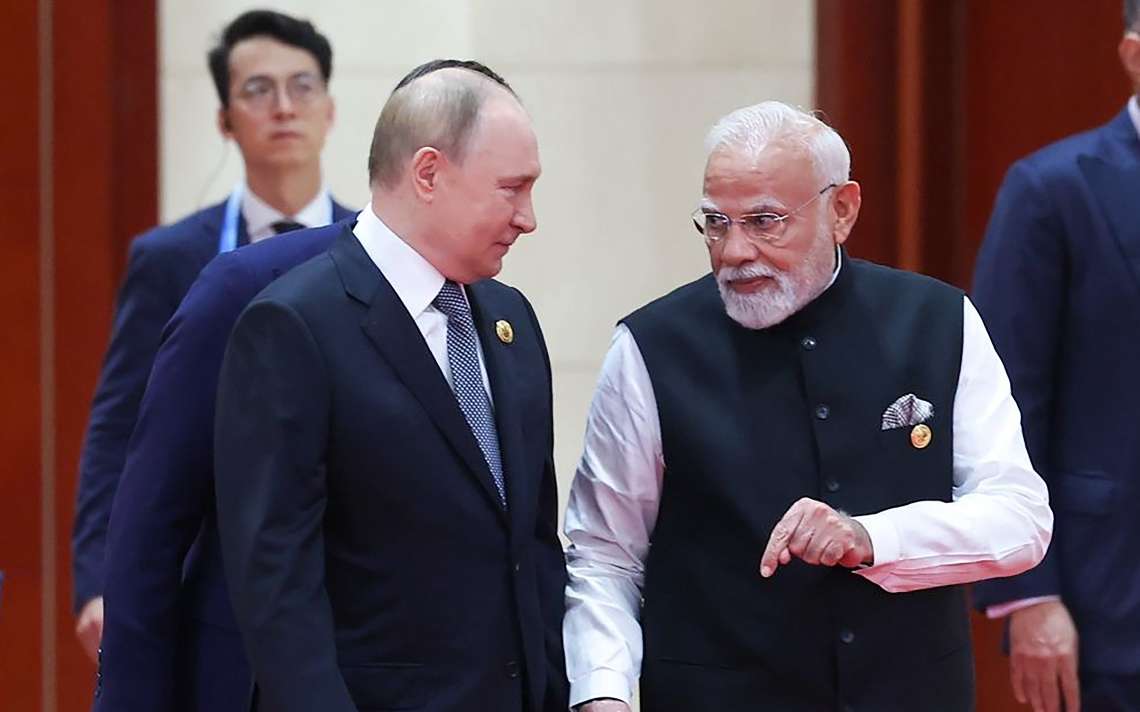
The leaders may also deliberate on India’s proposed FTA with the Eurasian Economic Union, which New Delhi has been pursuing to enhance strategic and economic cooperation…reports Asian Lite News
The national capital has rolled out the red carpet as Russian President Vladimir Putin is expected to arrive for a tightly packed two-day state visit laced with high-level diplomacy, economic negotiations and ceremonial grandeur.
His first India trip in four years, the visit is designed to inject fresh momentum into the India–Russia partnership at a time of shifting geopolitical alignments.
Putin touches down in the capital on Thursday evening, followed by a private dinner with Prime Minister Narendra Modi, a signal of the political weight both sides are placing on the engagement and their ties.
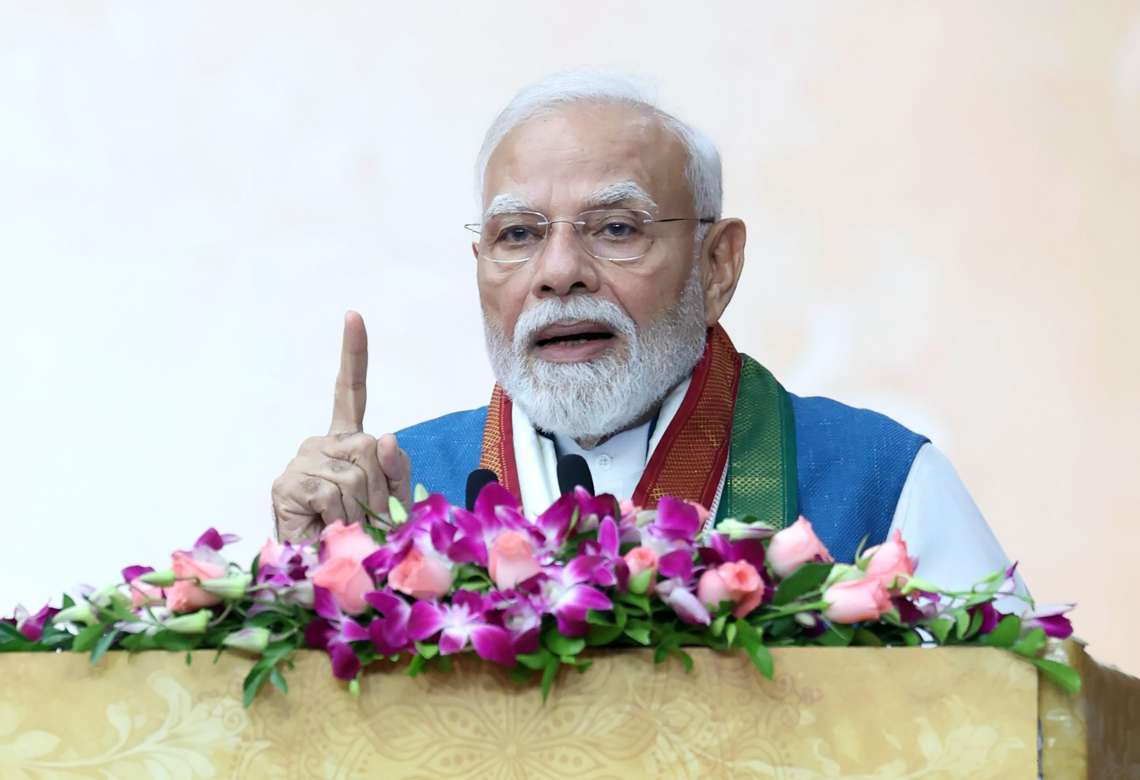
The formal proceedings begin on Friday with a ceremonial welcome at Rashtrapati Bhawan, after which Putin will pay homage at Rajghat before heading into talks with Modi for the 23rd India–Russia annual summit. At the heart of the summit is an ambitious effort to accelerate an India–EAEU free trade agreement.
Both leaders are expected to set a clear timeline for negotiations with the Eurasian Economic Union, comprising Russia, Belarus, Kazakhstan, Armenia, and Kyrgyzstan, a pact New Delhi hopes will help narrow a widening trade imbalance.
Defence Minister Rajnath Singh and his Russian counterpart Andrei Belousov will co-chair the 22nd India–Russia Inter-Governmental Commission on Military & Military Technical Cooperation in New Delhi on Thursday. The meeting will review the full spectrum of bilateral defence ties
A high-powered Russian delegation, including Maxim Oreshkin, Deputy Chief of Staff of the Presidential Executive Office; Economic Development Minister Maxim Reshetnikov; Agriculture Minister Oksana Lut; Health Minister Mikhail Murashko; Deputy Industry and Trade Minister Alexey Gruzdev; and Deputy Digital Development Minister Sergey Kuchushev will lead an economic outreach push at a dedicated business meet on Friday.
The visit is expected to yield multiple agreements, including one to facilitate the movement of Indian workers to Russia. The two governments may also deliberate on India’s proposed free trade agreement with the Eurasian Economic Union, which New Delhi has been pursuing to enhance strategic and economic cooperation.
XXX
WASHINGTON WATCHES CLOSELY
XXX
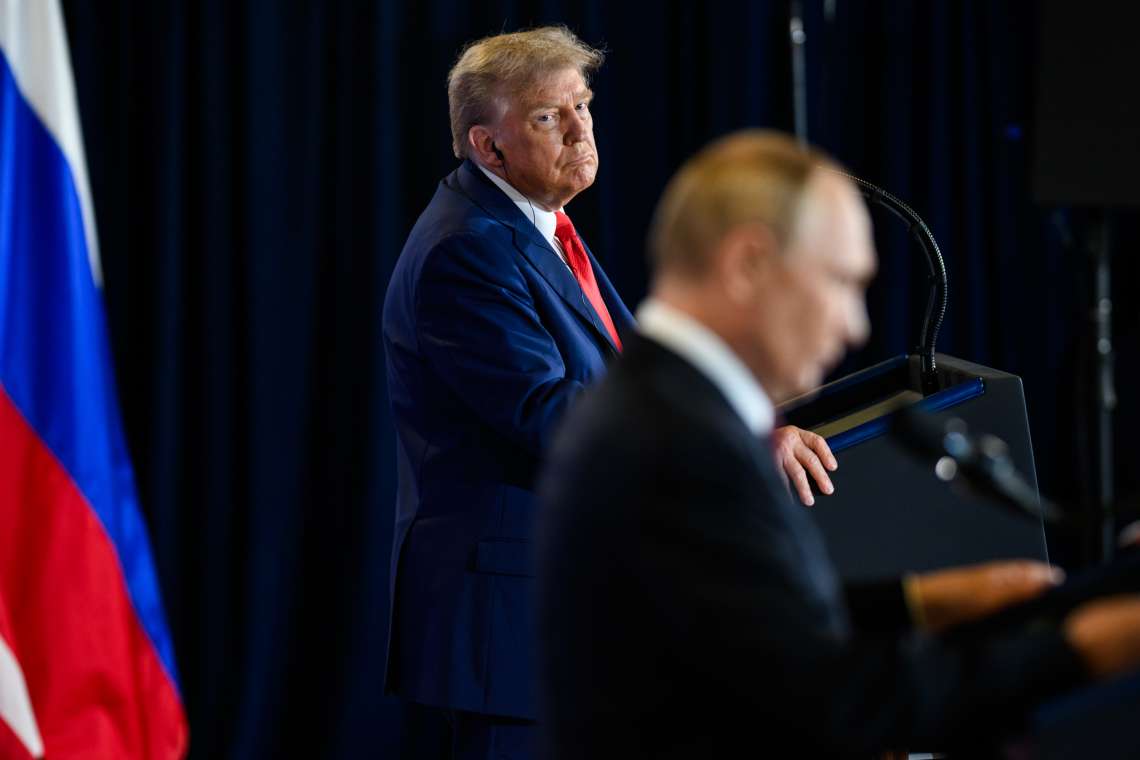
The Modi–Putin engagement is prompting heightened scrutiny in Washington, where foreign-policy experts are parsing both the optics and the outcomes of the high-profile summit.
Lisa Curtis, who served in the first Trump Administration and is now Senior Fellow and Director of the Indo-Pacific Security Program at the Centre for New American Security, said bluntly that “the United States will not find this meeting helpful,” given that it is occurring at a time when “President Putin is escalating his war against Ukraine and even threatening Europe with drone incursions and cyber-attacks.”
Curtis noted that the meeting nevertheless sends a diplomatic signal to Washington. India “will not be bullied,” she said, pointing to recent US pressure tactics, including “implementing 50 per cent tariffs on India” and outreach to Pakistan’s military leadership.
She argued that PM Modi’s decision to host Putin — marking the Russian leader’s first visit to India since the invasion of Ukraine — underscores that New Delhi “is not going to sacrifice its strategic autonomy or cave in to US pressure.”
At the Brookings Institution, Senior Fellow Tanvi Madan said that Washington will be watching two aspects of the summit in particular — the level of ceremonial treatment accorded to Putin and the concrete outcomes on defence and energy.
“How much of a red carpet will be rolled out… but also what is the substance? What are the deals?” she said, adding that US analysts will examine “what defence agreements are signed,” even if they are concluded on the sidelines.