Pakistan battles deadly monsoon floods as death toll surpasses 850, with Khyber Pakhtunkhwa worst-hit, rivers swelling in Punjab, and authorities scrambling to save lives amid looming humanitarian crisis….reports Asian Lite News
Pakistan is grappling with one of its deadliest monsoon seasons in recent years, with torrential rains and flash floods leaving widespread devastation across the country. Since late June, relentless downpours have killed at least 857 people and injured more than 1,100 others, according to the latest figures released by the National Disaster Management Authority (NDMA). The crisis has placed immense strain on emergency services, displaced thousands, and sparked fears of further flooding as water levels continue to rise in major rivers.
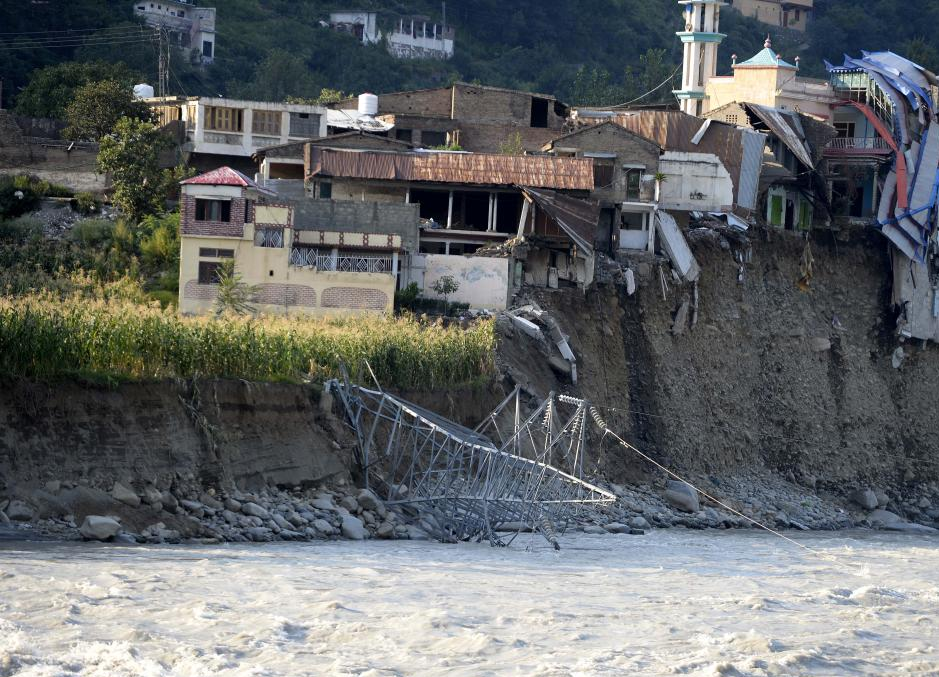
Officials said that Khyber Pakhtunkhwa remains the worst-affected province, accounting for nearly half the overall fatalities. The mountainous terrain of the region, combined with fragile infrastructure, has magnified the impact of floods. Reports suggest that entire villages have been swept away, with residents scrambling to find shelter as rescue teams attempt to reach remote areas cut off by collapsed roads and landslides. Punjab has also borne the brunt of the calamity, recording 170 deaths and over 600 injuries, while Sindh and Balochistan reported dozens of casualties. Rain-related incidents in Islamabad, Pakistan-occupied Kashmir, and Gilgit-Baltistan further added to the national toll.
The Pakistan Meteorological Department (PMD) has warned of a dangerous escalation in the coming days, particularly in Punjab, where the Ravi and Chenab rivers are nearing critical levels. On Wednesday, the Ravi River at Jassar reached high flood status, raising fears of inundation across low-lying districts. Authorities in Lahore, Sialkot, Narowal, and Gujranwala have been placed on high alert as the administration braces for water spilling into residential zones. In Sialkot alone, rainfall levels exceeded 220 millimetres within a single day, overwhelming drainage systems and flooding roads.
The NDMA has urged residents to avoid unnecessary travel, stay away from rivers and streams, and monitor official advisories via television, radio, and mobile alerts. Officials cautioned that continuing heavy downpours, combined with windstorms and lightning, may further damage vulnerable structures such as mud houses, electricity poles, and billboards. In rural areas, farmers fear large-scale destruction of standing crops, which could worsen the food security situation already burdened by high inflation.
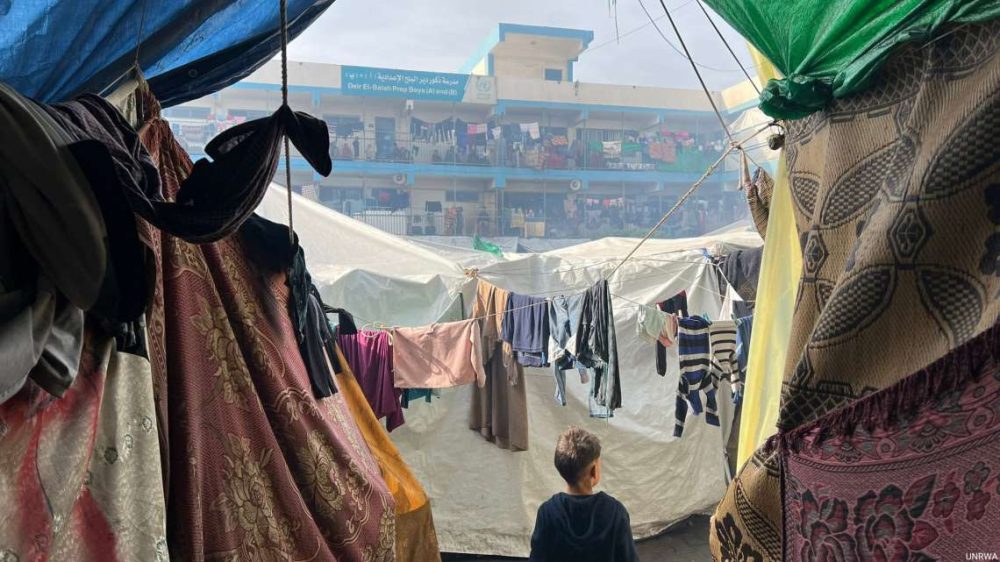
As the country braces for more rain, the humanitarian fallout is becoming increasingly visible. Thousands have been displaced from their homes, seeking shelter in temporary relief camps set up by provincial authorities. However, aid distribution has been hampered by damaged road networks and inundated fields, making it difficult for trucks to reach remote villages. Local media has reported shortages of clean drinking water and essential medical supplies in affected areas, raising the risk of disease outbreaks.
The crisis has drawn comparisons with Pakistan’s catastrophic floods of 2022, which left over 1,700 people dead and displaced millions. Analysts say that despite repeated warnings about climate vulnerability, the country remains ill-prepared for such extreme weather events. Urban centres such as Lahore and Karachi continue to struggle with outdated drainage systems, while rural districts lack resilient infrastructure to withstand heavy rainfall. Experts argue that Pakistan’s exposure to climate shocks, coupled with limited fiscal capacity, makes international assistance crucial in averting a deeper humanitarian disaster.
In response to the worsening situation, the Pakistani government has ramped up coordination with military and paramilitary forces to aid evacuation and relief operations. Helicopters have been deployed to airlift stranded families, while boats are being used to ferry residents from marooned villages to safety. Prime Minister Shehbaz Sharif has directed all federal agencies to mobilise resources and maintain close coordination with provincial administrations. He has also appealed for unity at a time of national crisis, urging political parties to set aside differences and focus on supporting victims.
International agencies have begun assessing the scale of assistance required. The United Nations has expressed concern over the situation, warning that prolonged flooding could exacerbate poverty and displacement in a country already struggling with economic instability. Humanitarian organisations are preparing to provide emergency food, tents, and medical aid to vulnerable populations, particularly women and children who make up the majority of displaced persons.
The monsoon season typically lasts until early September, raising fears that the toll may rise further in the coming weeks. Meteorologists caution that strong monsoon currents from both the Bay of Bengal and the Arabian Sea remain active, likely bringing more rain to Punjab and Pakistan-occupied Kashmir. With rivers already swelling and embankments under strain, authorities face the daunting task of balancing immediate rescue operations with long-term measures to prevent future disasters.
As Pakistan endures this crisis, the floods have once again highlighted the intersection of climate change, weak infrastructure, and governance challenges. The devastation has served as a grim reminder that without urgent investment in climate resilience and disaster preparedness, millions will remain at risk every monsoon season. For now, the priority remains saving lives, providing shelter, and ensuring that a battered population does not slip deeper into hardship as the rains continue to pound.