UN chief warns 1.6 million people in Gaza to face acute food insecurity…reports Asian Lite News
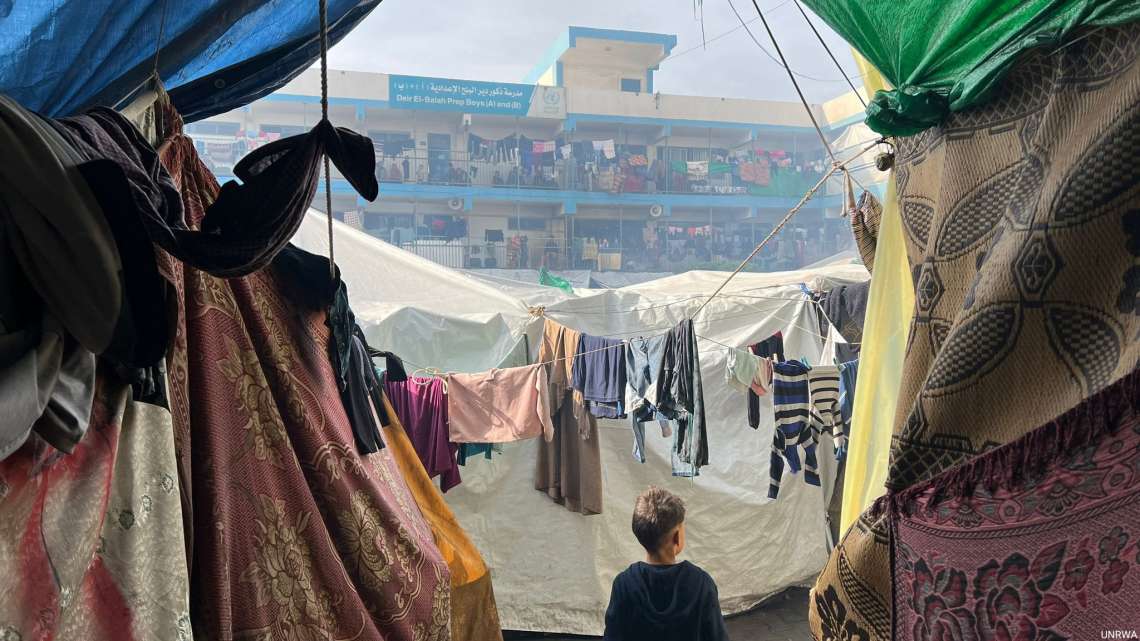
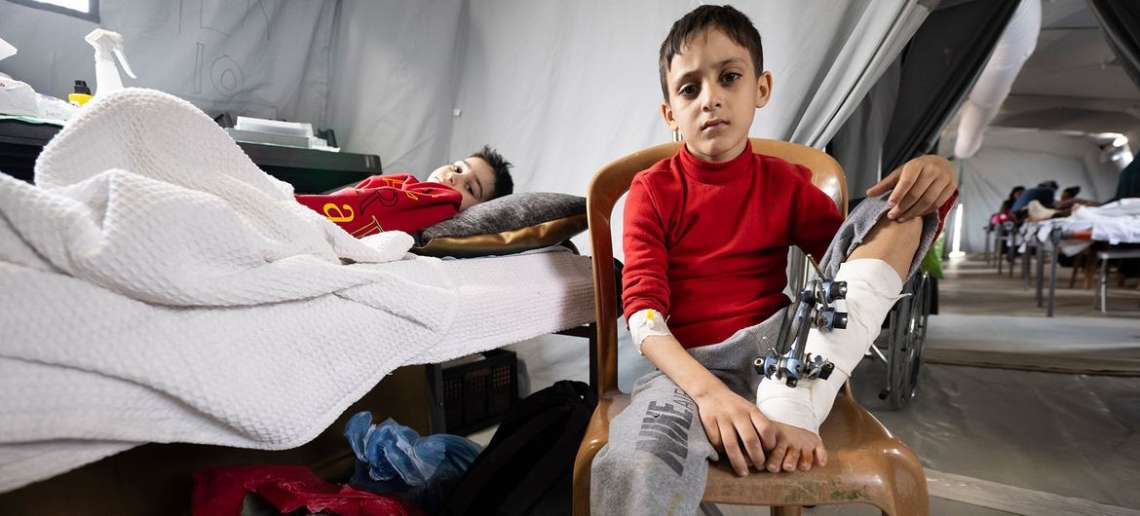
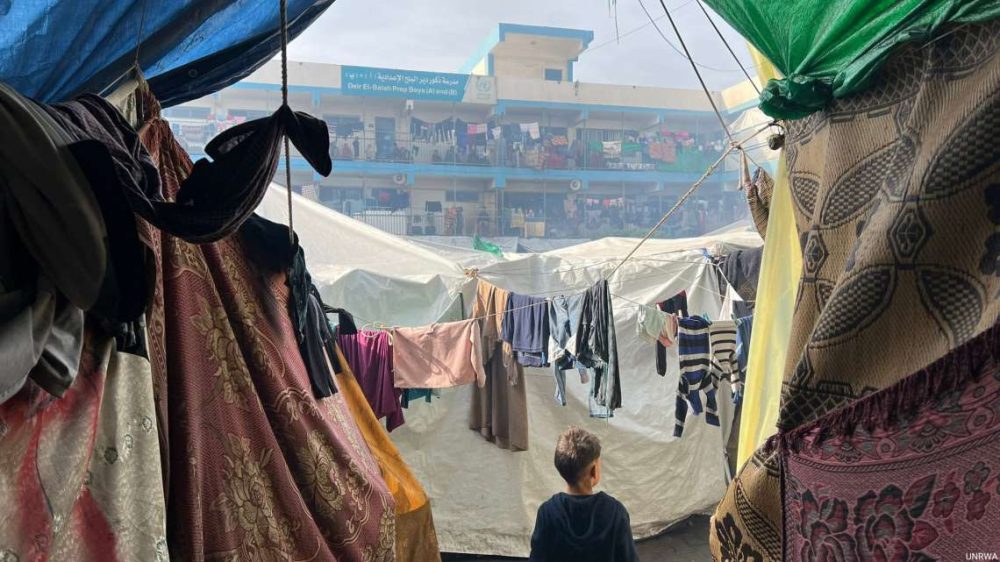
About 1.6 million people in the Gaza Strip, or more than 75 percent of the population, are projected to face extreme levels of acute food insecurity and critical malnutrition risks, UN Secretary-General Antonio Guterres said.
At a press encounter, Guterres said famine there “has been pushed back,” and more people are able to access the food they need to survive, as the United Nations and its partners are preparing more than 1.5 million hot meals every day and delivering general food assistance packages across Gaza.
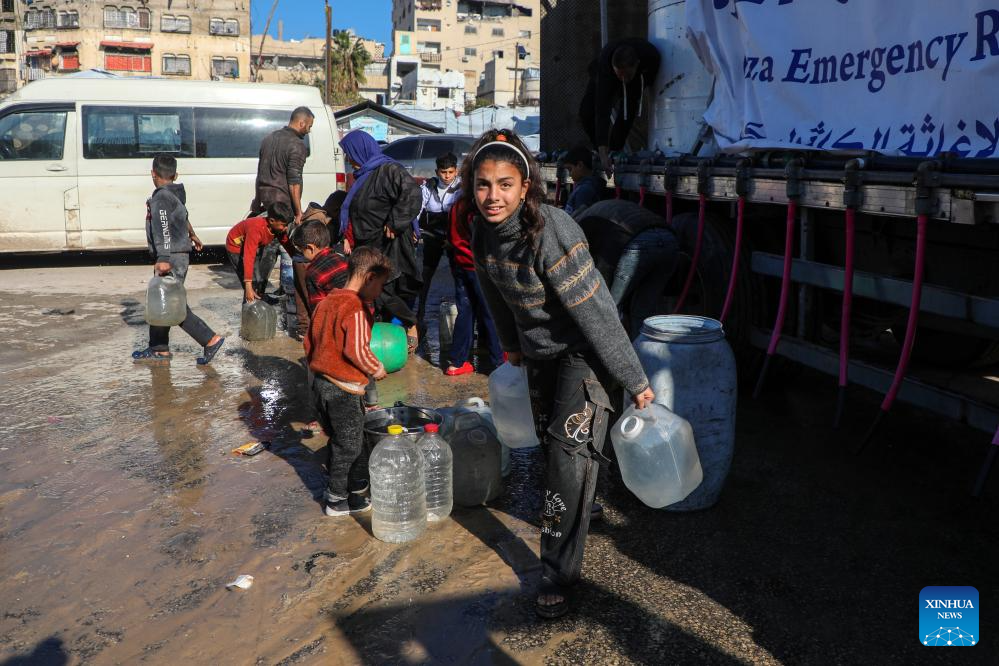
Clean water is reaching more communities, some health facilities have reopened, and in the wake of the winter storms, the international community acted immediately to provide support, Guterres said.
“This is a testament to the hard work of humanitarians and Member States, along with growing cooperation with the Civil-Military Coordination Center,” he said. “But gains are fragile — perilously so,” said the UN chief.
Since October, the United Nations has done everything possible to keep lifelines open, but needs are growing faster than aid can get in, he said.
UN Secretary-General Antonio Guterres: “International law — including international humanitarian law and international human rights law — must be upheld across the Occupied Palestinian Territory, including East Jerusalem.”
“We need a truly durable ceasefire,” said Guterres, calling for more crossings, the lifting of restrictions on critical items, the removal of red tape, safe routes inside Gaza, sustained funding and unimpeded access.
The UN chief also noted the “rapidly deteriorating situation” in the West Bank, where he said Palestinians face escalating Israeli settler violence, land seizures, demolitions and intensified movement restrictions.
“International law — including international humanitarian law and international human rights law — must be upheld across the Occupied Palestinian Territory, including East Jerusalem,” he stressed.
Guterres said the International Court of Justice’s Advisory Opinion of Oct. 22, 2025 was clear: Israel is under the obligation to allow and facilitate humanitarian aid, to cooperate with the United Nations in carrying out its mandates, and to respect the privileges and immunities of the United Nations and its personnel, including in times of armed conflict.
“These are binding and must be implemented,” Guterres stressed.
“This is a crisis born of human decisions. It can be resolved through human choices — if there is the political will to act,” he added.
Hamas in Talks
Türkiye’s National Intelligence Organization Director Ibrahim Kalin met with Hamas Political Bureau member and chief negotiator Khalil al-Hayya in Istanbul on Saturday to discuss implementation of the Gaza ceasefire agreement, the Anadolu Agency reported.
During the talks, the Hamas official said the group is adhering to the ceasefire terms and outlined “Israeli violations,” Anadolu reported, citing anonymous Turkish sources.
The meeting focused on Türkiye’s role as a guarantor and its efforts to ensure the ceasefire holds. The two sides also discussed conditions for moving to the second phase of the Gaza peace plan, including steps to resolve outstanding issues and advance negotiations, the report said.
Both sides reaffirmed their support for Palestinian national reconciliation and the goal of establishing an independent Palestinian state, according to the sources.
Both Israel and Hamas would have to make tough compromises in the next phase of the deal, which has been stalled for weeks. Hamas would be expected to give up its weapons and control, while Israel would have to allow an international force to take over security. ■