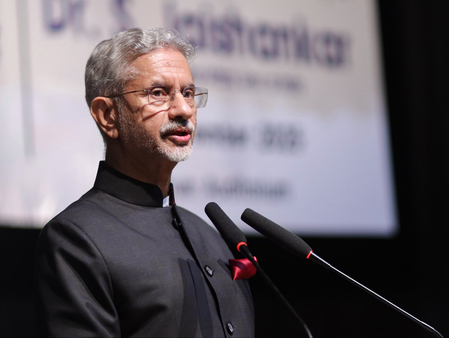
After concluding his engagements in the UAE, EAM Jaishankar will travel to Israel, where he will hold bilateral consultations with Israeli Foreign Minister Gideon Sa’ar. The visit comes amid continued regional volatility in West Asia, with India maintaining close diplomatic engagement with all key stakeholders
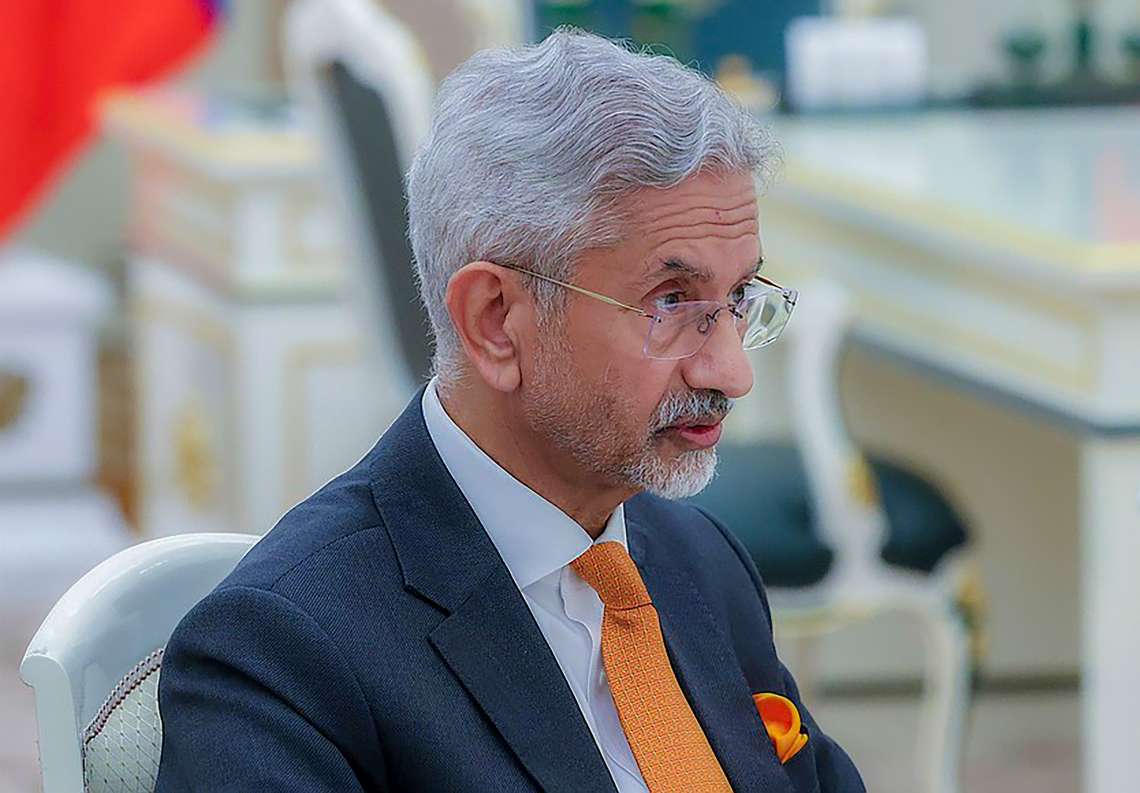
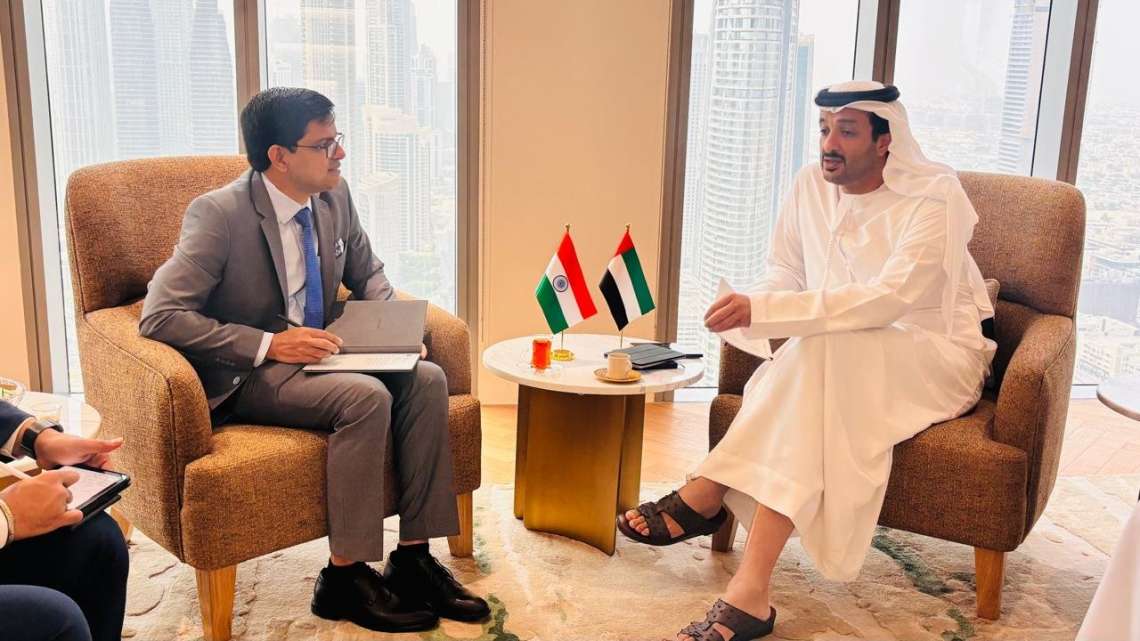
External Affairs Minister S. Jaishankar will co-chair the 16th India–UAE Joint Commission Meeting and the 5th Strategic Dialogue in Abu Dhabi on Monday, marking another key step in India’s expanding engagement with West Asia. The high-level talks will be held with Sheikh Abdullah bin Zayed Al Nahyan, the UAE’s Deputy Prime Minister and Minister of Foreign Affairs, following Jaishankar’s participation in the Sir Bani Yas Forum, the Ministry of External Affairs (MEA) said.
The Joint Commission and Strategic Dialogue are expected to review the full spectrum of India–UAE relations, including trade, investment, energy, defence cooperation, technology, people-to-people ties and regional issues. India and the UAE share a Comprehensive Strategic Partnership that has deepened significantly in recent years, driven by strong political trust and growing economic interdependence.
According to officials, the Abu Dhabi meetings will focus on consolidating progress made under existing agreements while identifying new areas for collaboration in emerging sectors. The UAE is among India’s most important partners in the Gulf, with bilateral trade and investment ties expanding rapidly following the signing of the Comprehensive Economic Partnership Agreement.
After concluding his engagements in the UAE, EAM Jaishankar will travel to Israel, where he will hold bilateral consultations with Israeli Foreign Minister Gideon Sa’ar. The visit comes amid continued regional volatility in West Asia, with India maintaining close diplomatic engagement with all key stakeholders.
Ahead of his visit, Jaishankar extended warm greetings to Sa’ar and the people of Israel on the occasion of Hanukkah. In a message posted on social media platform X, he wrote: “Warmest wishes to FM Gideon Sa’ar, friends in Israel and all those celebrating Hanukkah around the world. May the Festival of Lights bring peace, hope, and joy to all. Chag Sameach!” Sa’ar responded shortly afterwards, thanking the Indian minister for his message.
Later the same day, Jaishankar strongly condemned a deadly terrorist attack targeting Jewish people celebrating the first day of Hanukkah at Bondi Beach in Australia. The attack, which claimed several innocent lives, drew widespread international condemnation. “Condemn in the strongest terms the terror attack on Hanukkah celebrations in Bondi Beach, Australia. Our thoughts are with the victims and their families,” Jaishankar said in a post.
India’s firm stance against terrorism has also featured prominently in recent high-level engagements with Israel. Last week, Prime Minister Narendra Modi received a telephone call from Israeli Prime Minister Benjamin Netanyahu, during which the two leaders exchanged views on the evolving situation in West Asia.
According to a statement from the Prime Minister’s Office, the leaders discussed ways to further strengthen the India–Israel Strategic Partnership and reiterated their shared commitment to a zero-tolerance approach towards terrorism. Prime Minister Modi also reaffirmed India’s support for efforts aimed at achieving a just and durable peace in the region.
“The two leaders expressed satisfaction at the continued momentum in the India–Israel Strategic Partnership and reaffirmed their commitment to further strengthening bilateral ties for mutual benefit,” the PMO said. Both sides strongly condemned terrorism in all its forms and manifestations, underlining cooperation in counter-terrorism as a core pillar of the relationship.
Jaishankar’s visits to the UAE and Israel underscore India’s sustained diplomatic focus on West Asia, balancing strategic partnerships, economic interests and security concerns. The back-to-back engagements are expected to reinforce India’s role as a consistent and reliable partner in the region, even as geopolitical challenges continue to reshape its diplomatic landscape.