For now, Pakistan’s economic future hangs in the balance, caught between the fallout from the Pahalgam terror attack and the shifting dynamics of the broader geopolitical landscape…reports Asian Lite News
The escalating tensions between India and Pakistan, triggered by a deadly terrorist attack in Pahalgam, Indian Kashmir, on April 22, threaten to derail Pakistan’s fragile economic recovery, according to a Moody’s report released on Monday. The attack, which killed 26 people, mostly tourists, was one of the deadliest in the region since 2000. India has blamed Pakistan-based terrorist groups for the assault, further intensifying diplomatic pressure on Pakistan.
In response, India has taken a series of diplomatic measures, including threats to suspend the 1960 Indus Waters Treaty, exacerbating Pakistan’s economic vulnerabilities and pushing the country into deeper diplomatic isolation. The attack has also prompted India to grant its military “operational freedom,” signaling a readiness to respond forcefully to any further provocations. Meanwhile, Pakistan has denied the accusations and called for a neutral investigation, while increasing its military presence along the border in anticipation of potential Indian action. Though diplomatic channels remain open to prevent broader conflict, the standoff has heightened mistrust. Pakistan’s Information Minister Attaullah Tarar warned of an imminent Indian military move, though no such action occurred. India has reported near-daily cross-border firing along the Line of Control in Indian Kashmir, further escalating tensions.

Moody’s cautioned that the sustained escalation of tensions could significantly undermine Pakistan’s economic growth, impeding its efforts to achieve macroeconomic stability. The agency noted that ongoing diplomatic isolation could hinder Pakistan’s access to external financing and strain its foreign exchange reserves, which are already insufficient to meet external debt obligations. Despite signs of economic recovery, including rising growth, easing inflation, and increasing reserves under an International Monetary Fund program, Pakistan’s economy remains fragile. The potential suspension of the Indus Waters Treaty, which is vital to Pakistan’s agriculture and water supply, would deal a devastating blow, worsening its economic challenges.
On the other hand, India’s economy is expected to weather the storm with minimal disruption. Moody’s highlighted India’s robust growth, driven by strong public investment and solid private consumption, noting that Pakistan accounts for less than 0.5 percent of India’s total exports in 2024.
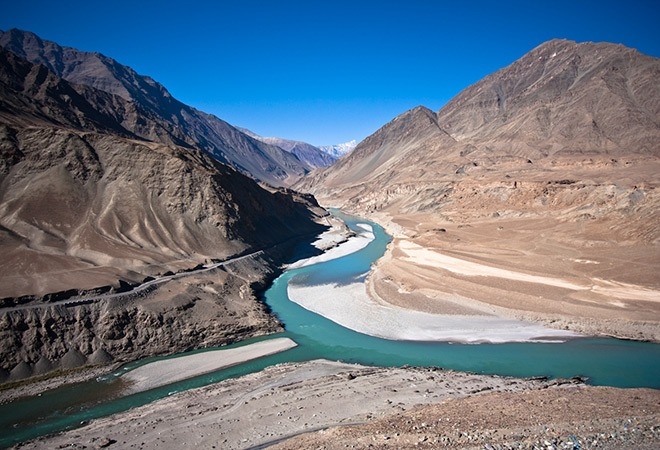
India’s diplomatic offensive, including the threat to suspend the Indus Waters Treaty, is seen as a strategy to penalise Pakistan for its alleged support of terrorism in Kashmir. The treaty has long been a rare point of cooperation between the two nations, and its potential suspension would mark a significant deterioration in bilateral relations, further isolating Pakistan internationally.
Moody’s analysis underscores the asymmetry between the two countries. While India’s economic and military strength allows it to absorb the impact of heightened tensions, Pakistan’s reliance on external financing and limited reserves make it particularly vulnerable. The agency predicts that periodic flare-ups, a consistent feature of India-Pakistan relations since independence, will continue but stop short of all-out war. However, for Pakistan, the economic repercussions of India’s diplomatic actions could be as damaging as any military confrontation, trapping the country in a cycle of instability and dependence.
As India seeks to capitalise on its advantage, the international community watches closely, aware that the consequences of this standoff extend beyond the subcontinent. For now, Pakistan’s economic future hangs in the balance, caught between the fallout from the Pahalgam terror attack and the shifting dynamics of the broader geopolitical landscape.