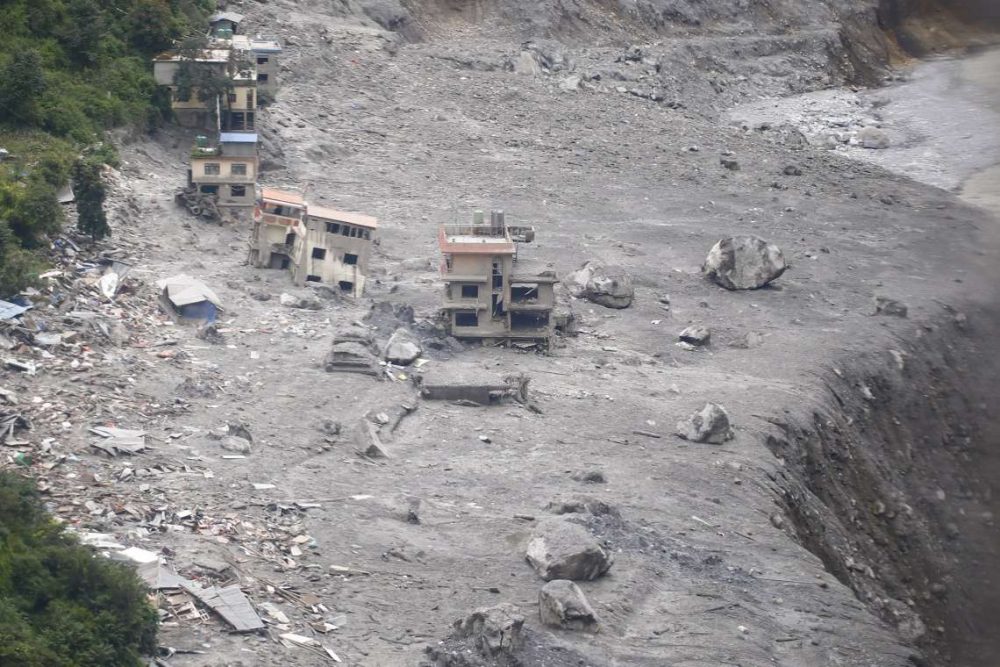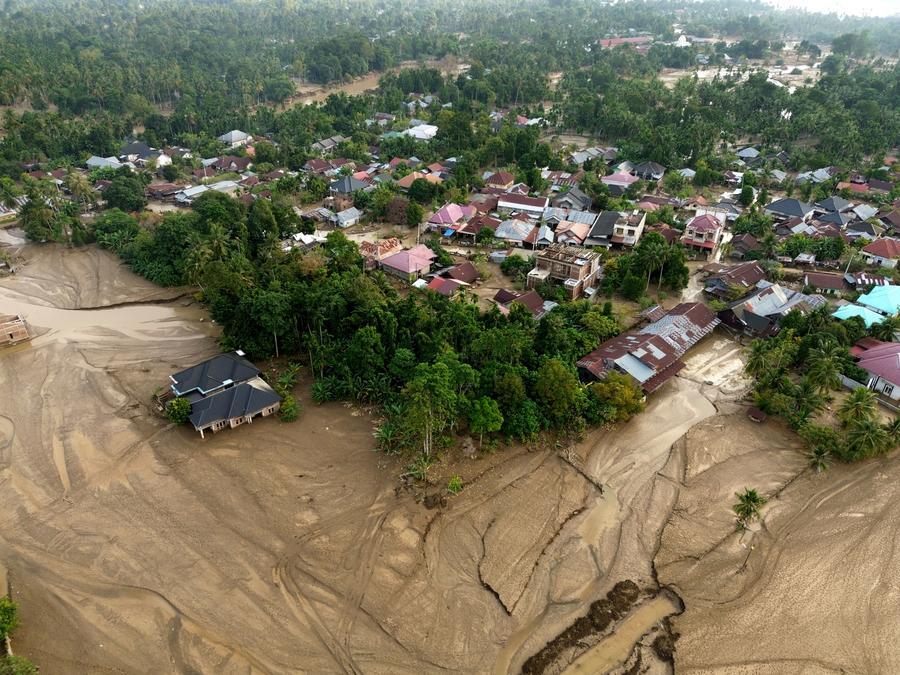
The catastrophe has inflicted widespread damage on infrastructure and public services across the affected regions….reports Asian Lite News
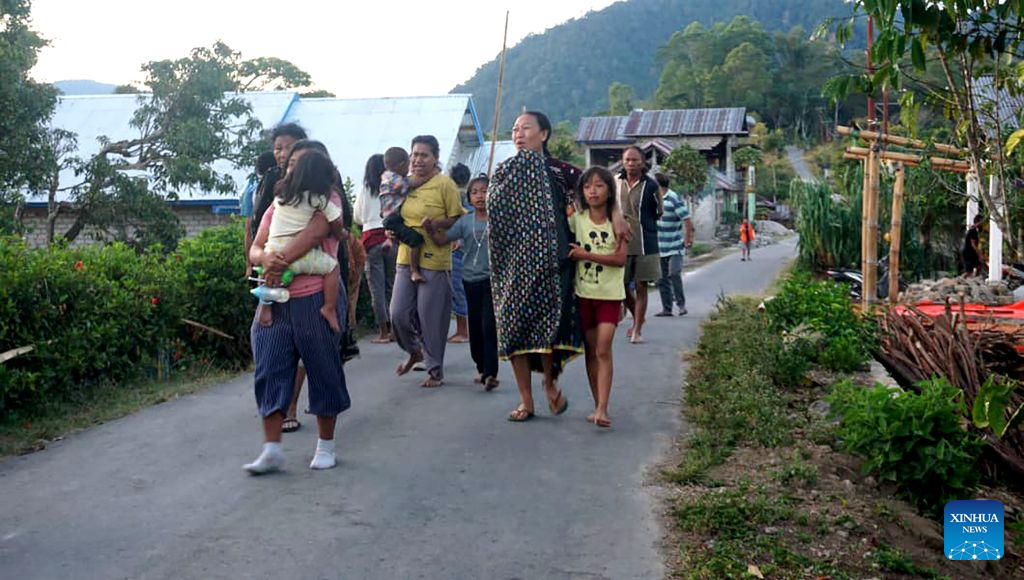
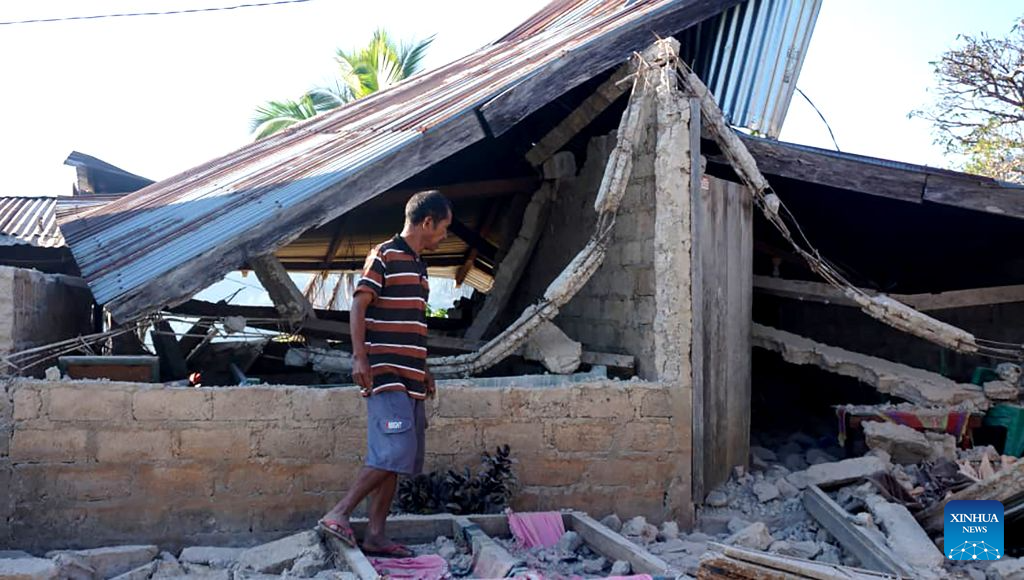
The death toll from the devastating floods and landslides that swept through three provinces on Indonesia’s Sumatra Island has risen above 1,000, authorities said on Saturday, with 218 people still listed as missing, the nation’s disaster agency reported. The catastrophe has inflicted widespread damage on infrastructure and public services across the affected regions.
The National Disaster Management Agency (BNPB) said verification efforts are under way at the sub-district level to confirm victims’ identities and addresses, a process that BNPB Data and Information head Abdul Muhari said remains ongoing. Local teams are cross-checking civil records, Muhari told reporters, as teams continue searching for survivors.
BNPB’s latest figures show extensive destruction to public facilities: roughly 1,200 public buildings were damaged, including 219 health facilities, 581 schools, 434 places of worship, 290 office buildings and 145 bridges. Roads and communications links were also severed in many areas, complicating relief efforts and slowing the delivery of vital aid.
President Prabowo Subianto, who visited hard-hit districts in Aceh on Friday, pledged the government’s full support for relief and reconstruction. “Together we will improve this situation. The government will step in and help with everything,” he said, urging communities to remain resilient and expressing hope that daily activities such as schooling can resume quickly.
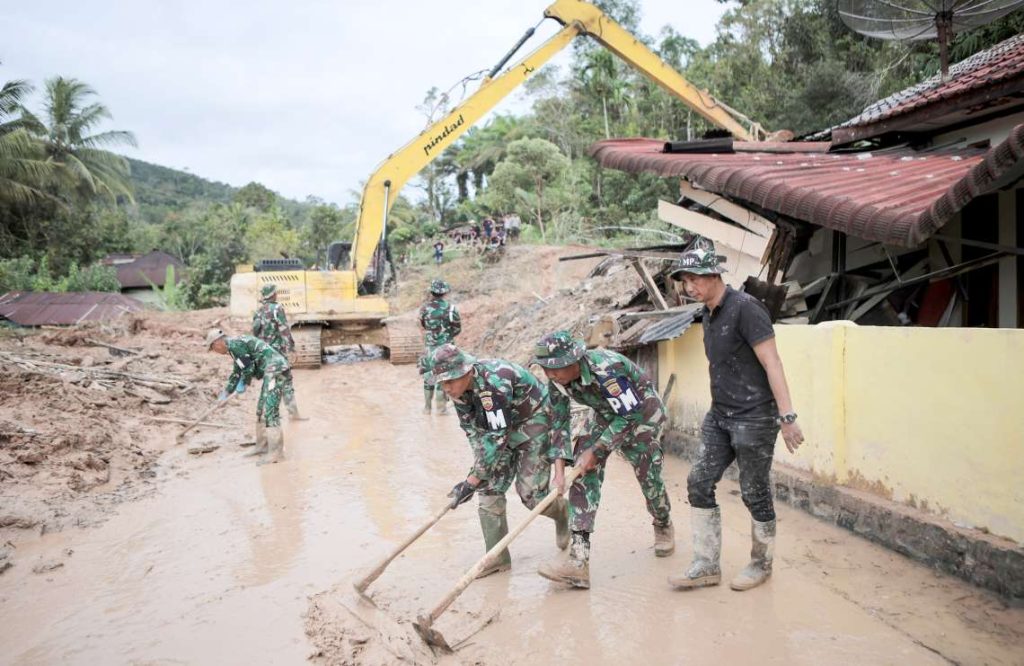
Earlier this week, Prabowo chaired a coordination meeting following his inspections and ordered an intensification of joint operations involving the military, police, the national search and rescue agency, BNPB and local authorities. He called for accelerated aid distribution, enhanced security in affected zones and urgent restoration of connectivity to cut-off regions.
Humanitarian groups and community volunteers have mobilised alongside official responders, setting up temporary shelters and distributing food, clean water and medical supplies. Emergency medical teams are treating the wounded at field clinics, and hospitals are prioritising critical cases.
Experts and officials warned that climate change is exacerbating the frequency and intensity of such disasters in Asia. The World Meteorological Organization has noted that the continent is warming at nearly twice the global average, increasing extreme weather risks and amplifying socio-economic damage.
Hijrah Saputra, a disaster management lecturer at Airlangga University, said shortcomings in early warning coverage, lax spatial planning and sporadic environmental rehabilitation have heightened vulnerabilities in remote communities. “To reduce future casualties, resilience must be built through comprehensive spatial planning, watershed restoration and integrated regional early warning systems,” he said.
Search-and-rescue operations, temporary shelters and medical assistance continue across Sumatra as authorities work to account for the missing and restore essential services. The BNPB said it will keep verifying casualty lists and coordinating support until recovery is secure. Officials urged residents to follow evacuation orders and safety advice as recovery and reconstruction proceed with renewed urgency.