Twenty-five years on, the most enduring legacy of the Kargil conflict isn’t just strategic victory or recovery of territory—it’s the irreplaceable human price India paid…writes Colonel Danvir Singh (Retd)
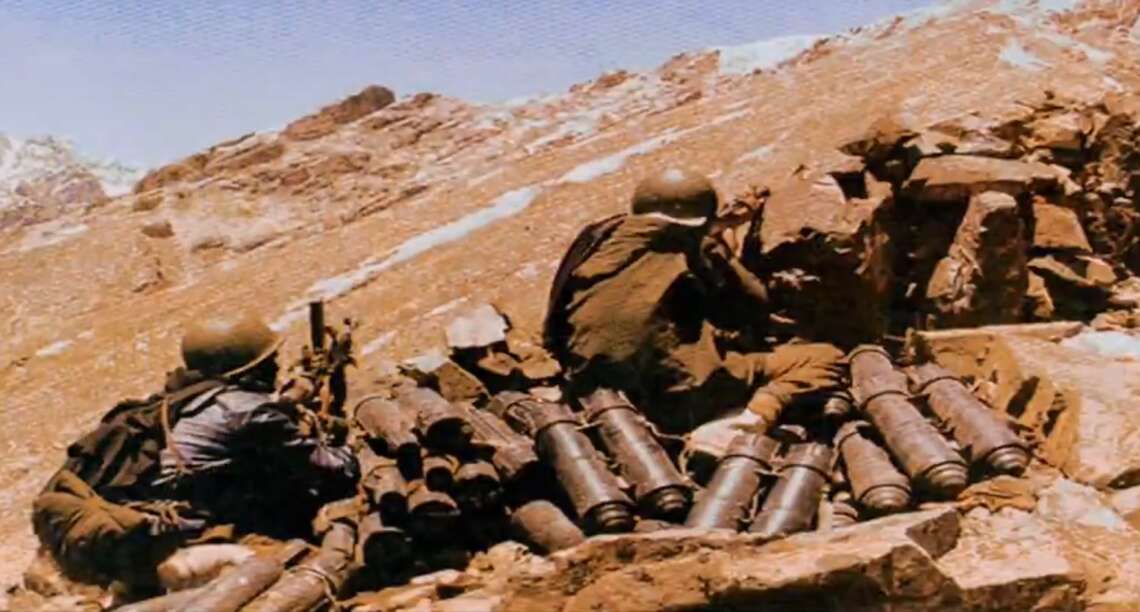
It has been 26 years since the icy heights of Kargil witnessed one of India’s hardest-fought battles—but the frost of memory must never settle over its lessons. The conflict was not just a military confrontation; it was a national reckoning with the price of peace in a nuclear-armed, hostile neighbourhood. As India marks this solemn milestone, it is not enough to count victories or laud heroism. We must also reckon with the cost in lives, in trauma, and in the persistent shadow of proxy war that still lingers over our borders.
India fought against cross-border infiltration and proxy warfare during Kargil—a threat that remains alive today in the form of continued proxy aggression and terrorism targeting Jammu & Kashmir. The same hostile mindset and tactics that sparked conflict in 1999 still challenge India’s security forces, blurring the line between peace and war.
Twenty-five years on, the most enduring legacy of the Kargil conflict isn’t just strategic victory or recovery of territory—it’s the irreplaceable human price India paid. Official figures record 527 Indian soldiers killed and 1,363 wounded, many with life-altering injuries.
These are not just statistics. Each represents a life—dreams cut short, families shattered. On Kargil Vijay Diwas, grief and pride intertwine as communities remember sons, brothers, and fathers who made the supreme sacrifice. The celebrations at the Dras War Memorial are not perfunctory—they are collective vows to never let their memories fade.
Kargil was more than conventional warfare; it was a brutal instance of proxy conflict—designed to inflict maximum harm without formal war. That same mindset persists in Jammu & Kashmir today. As Chief of Defence Staff, General Anil Chauhan has noted, “The proxy war that we witness today is a continuation of the same ideology and mindset that have not changed”. Even in what is supposed to be “peacetime,” our forces pay a heavy toll.
While the estimated cost of the war—₹5,000 to ₹10,000 crore—strained national finances, the country paid a huge price in blood. Learned through trauma, not textbooks, the lessons of Kargil reshaped India’s defences—from overhauling intelligence and readiness to accelerating equipment modernisation. But vigilance can slip when the guns fall silent.
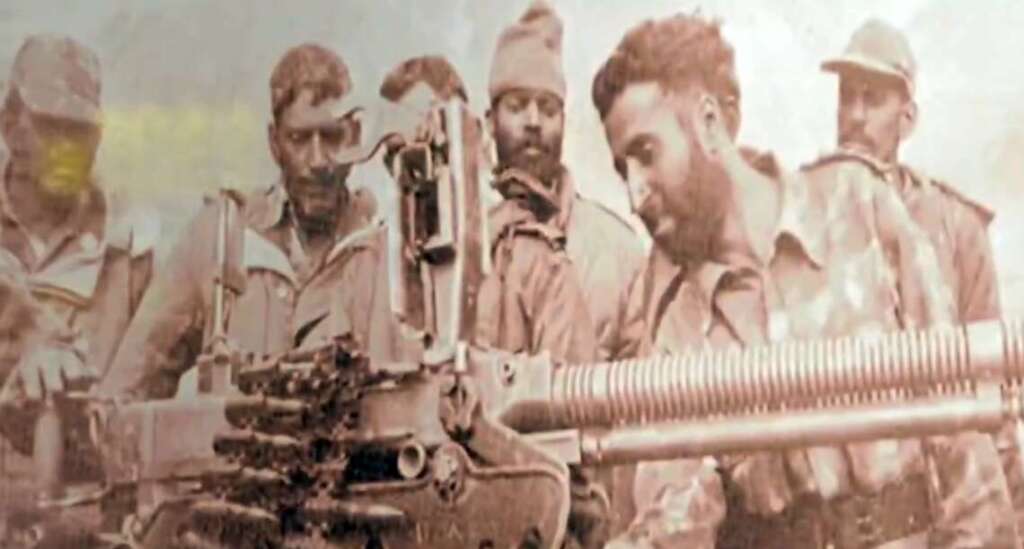
Proxy conflicts blur the line between war and peace. A soldier killed on the border during an infiltration isn’t just a casualty—he’s proof that peace still evades the frontier.
Honouring our martyrs means more than ritual. As General Chauhan argued, “Lessons learnt by shedding blood must remain ingrained with our military. Other instruments of national power dealing with security and defence of the country must also take note”. But this honour must extend beyond Army HQs—into the hearts of citizens.
Kargil stands as a stark reminder of the blood India has shed to protect its sovereignty—a sacrifice measured not just in numbers, but in the immortal words and deeds of its heroes. Captain Vikram Batra’s rallying promise, “Either I will come back after hoisting the Tricolour, or I will come back wrapped in it, but I will be back for sure,” embodies the unwavering resolve with which soldiers faced the enemy on those icy heights. Lieutenant Manoj Kumar Pandey’s stirring declaration, “If death strikes before I prove my blood, I swear I’ll kill death!” captures the fearless spirit that propelled so many to lay down their lives.
Their words echo the ultimate truth of Kargil: that peace and freedom are bought with immeasurable sacrifice.
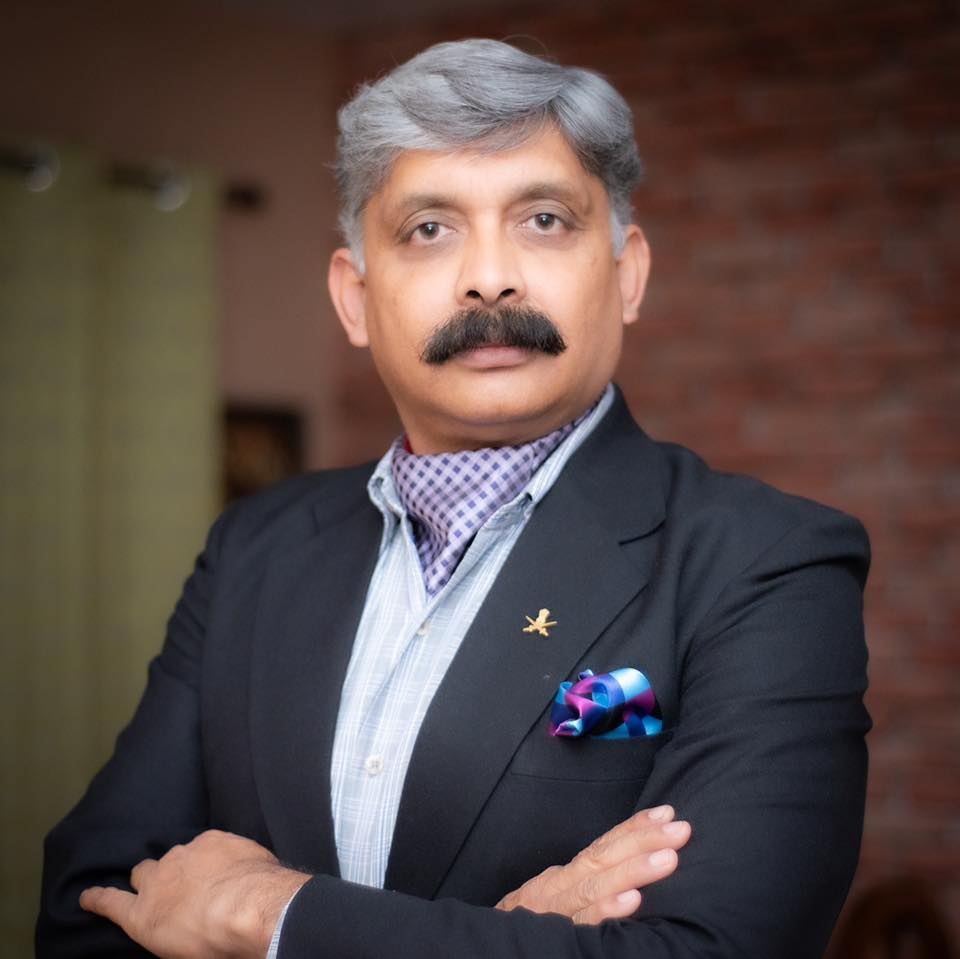
(A renowned Defence Analyst, commentator & author, he hosts Defence Dynamics on DD India, contributes to top publications, and has covered European defence industries. A Sena Medal gallantry awardee, he led operations in Kashmir, commanded 9 Sikh Light Infantry, and studied at Army Public School Dhaula Kuan, Raja Ram Mohan Roy Academy Dehradun & Punjab University.)