As protests rock Nepal and KP Oli exits, ex-Chief Justice Sushila Karki emerges as the people’s choice to lead a fragile transition government….reports Asian Lite News
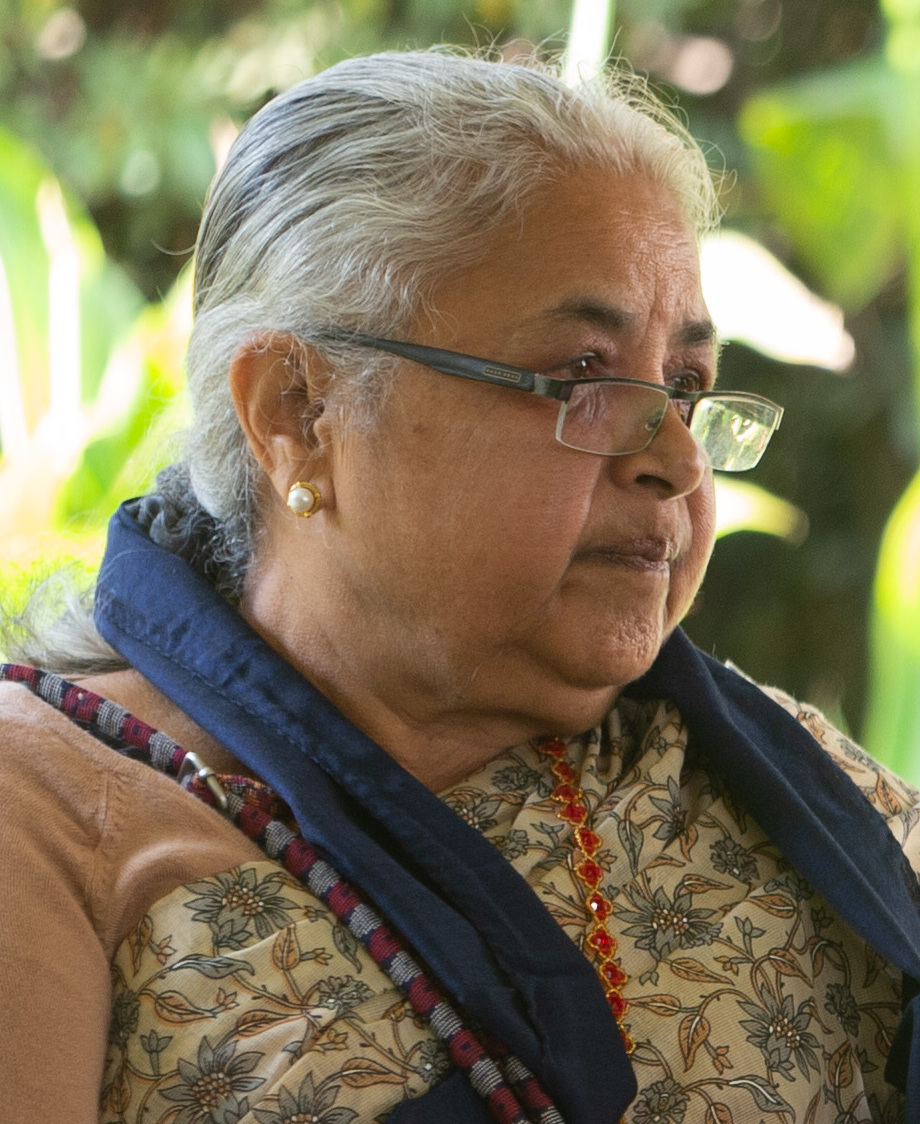
Nepal is once again at a political crossroads as former Chief Justice Sushila Karki has emerged as a possible leader of a transition government following the resignation of Prime Minister KP Sharma Oli. With the Himalayan nation gripped by mass protests, deep political instability and growing public anger, Karki’s name is gaining traction among both the Gen Z movement and political stakeholders seeking a steady hand in turbulent times.
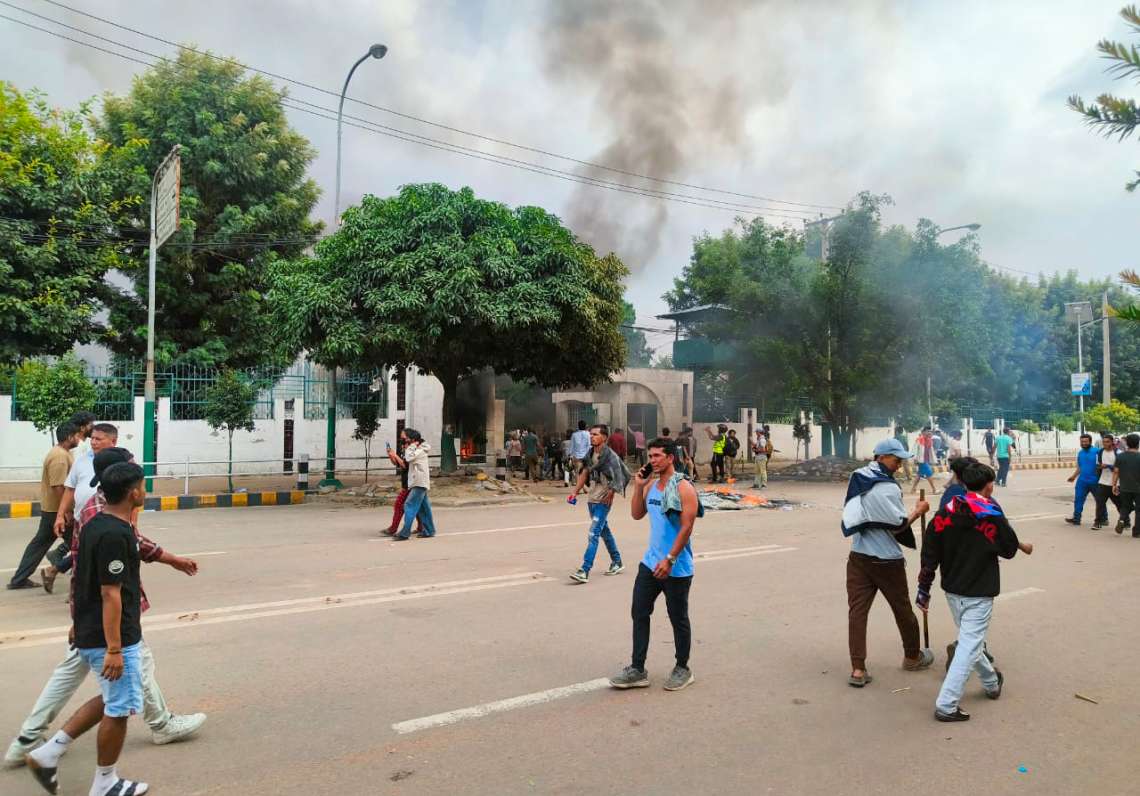
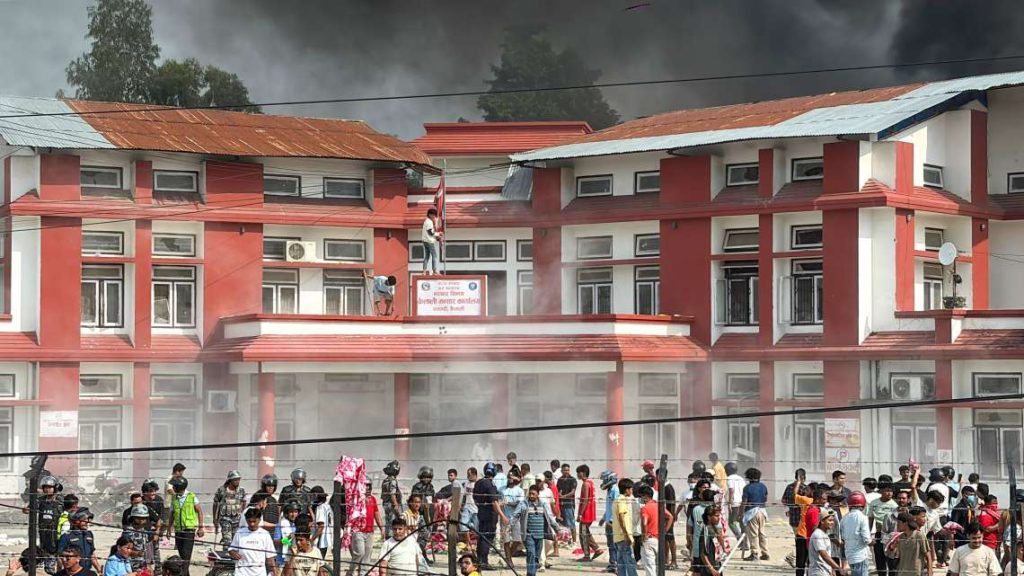
The backdrop to this development is a period of severe unrest. For nearly a week, young Nepalis—dubbed the “Gen Z movement”—have taken to the streets in Kathmandu, Pokhara, Butwal, Birgunj and other cities after the government announced a sudden ban on major social media platforms. Officials justified the move by citing tax revenue and cybersecurity concerns, but protesters saw it as a blatant attack on free speech and accountability.
The protests quickly spiralled into a national crisis. Security forces clashed with demonstrators, leaving at least 19 people dead and around 500 injured. Curfews were imposed in several cities, including the capital, in an attempt to contain the anger, but the measures only added fuel to the fire.
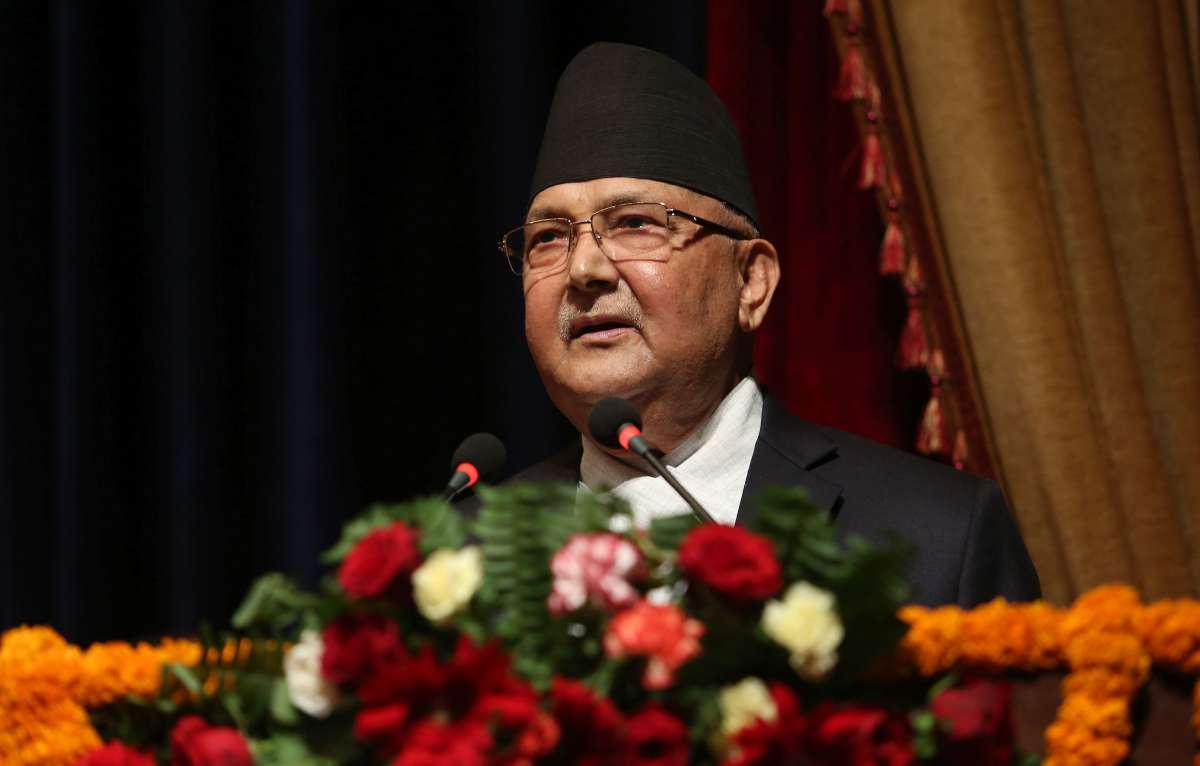
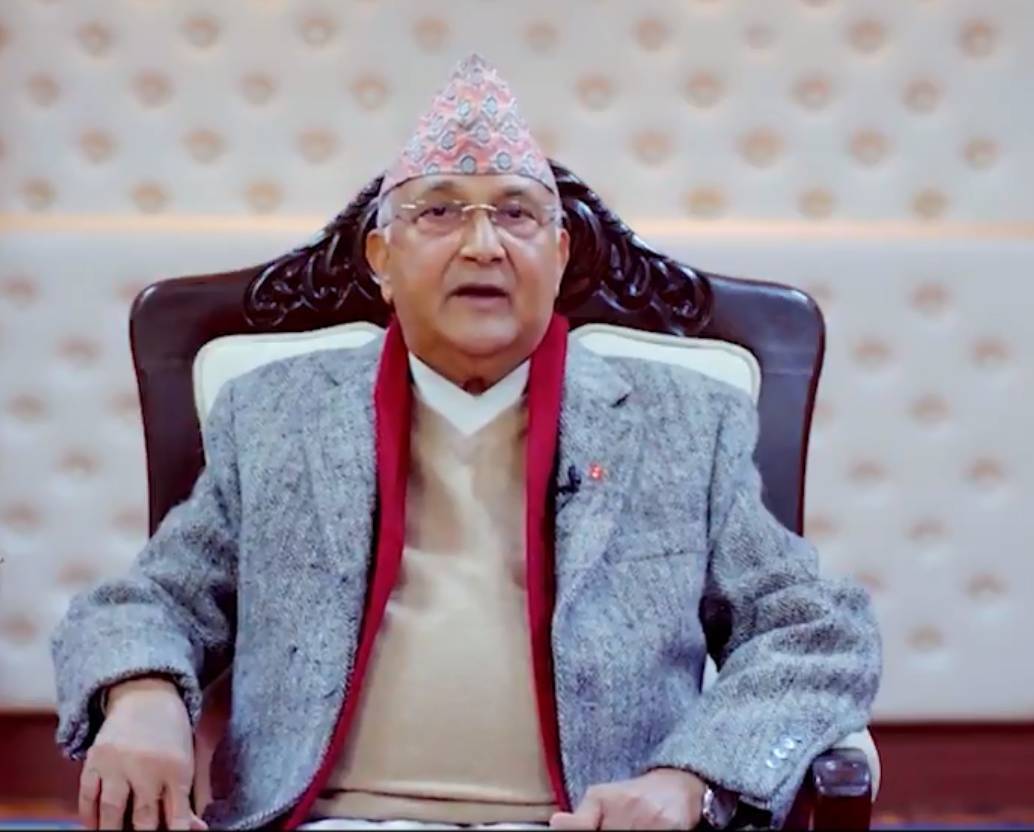
Amid the chaos, calls grew for Oli to step down, and on Tuesday evening, he announced his resignation. Before departing, however, he declared that he would lead all-party talks to seek a “meaningful conclusion” to the crisis—though his ability to play that role now appears uncertain.
It was in this vacuum that Sushila Karki’s name began circulating as a potential leader of the transition government. According to local media, Gen Z protest representatives have expressed support for her candidacy, seeing her as a non-partisan figure who embodies integrity and justice.
Karki holds a unique place in Nepal’s modern history. Born in Biratnagar in 1952, she rose through the legal ranks after beginning her career in 1979 and was appointed as a Supreme Court judge in 2009. In 2016, she broke new ground by becoming Nepal’s first female Chief Justice, serving until 2017. Her tenure was marked by a reputation for independence, courage, and commitment to the rule of law, qualities that resonate strongly at this moment of disillusionment with traditional politics.
The Nepal Army has taken an unusually prominent role in recent days, underscoring the seriousness of the unrest. On Wednesday, the Directorate of Public Relations and Information announced prohibitory orders in several areas and extended a nationwide curfew beginning on September 11. The Army’s statement expressed sorrow over the loss of life, but it also warned that “lawless individuals and groups” had infiltrated the protests, engaging in arson, looting, violent assaults, and even attempted sexual violence.
To back up its claim, the Army revealed that it had arrested 27 individuals involved in looting and violent acts, recovering 3.37 million Nepali rupees in stolen cash, 31 firearms, ammunition, and other weapons. Fires set during the protests were doused using three fire trucks, and several police officers injured in clashes were admitted to military hospitals.
Still, the crackdown has done little to assuage the underlying grievances of the protesters. Young people accuse the political establishment of “institutionalised corruption and favouritism,” fuelled further by the viral “Nepo Babies” trend on social media. The lavish lifestyles of politicians’ children—juxtaposed with the economic struggles of ordinary citizens—have crystallised anger against a system seen as self-serving and elitist.
The jobs crisis remains another central concern. With nearly 5,000 Nepali youth leaving the country each day to work abroad, the exodus has become both a symbol and a symptom of governance failure at home. Protesters say the country cannot build a future if its young generation sees emigration as the only path to survival.
Against this backdrop, Sushila Karki’s possible elevation to head a transition government is being viewed as a rare chance to reset Nepal’s course. Analysts note that her lack of direct party affiliation could help her broker trust across competing factions. Others, however, caution that even a respected figure like Karki would struggle to navigate Nepal’s entrenched power structures without robust institutional backing.
Diplomatic observers are closely watching developments, particularly given Nepal’s sensitive geopolitical location between India and China. Both regional powers will be wary of any prolonged instability in Kathmandu, especially if protests intensify or security forces resort to harsher measures.
As things stand, Nepal faces an uncertain path. The Gen Z movement has shown that young Nepalis will not remain silent in the face of corruption and censorship. Whether the country can now transition peacefully with Sushila Karki at the helm will depend on whether the political establishment is willing to cede space to a new, more accountable style of governance.
For now, the spotlight remains firmly on Karki—a trailblazer in the judiciary who may soon be asked to guide Nepal through one of its most turbulent political chapters.