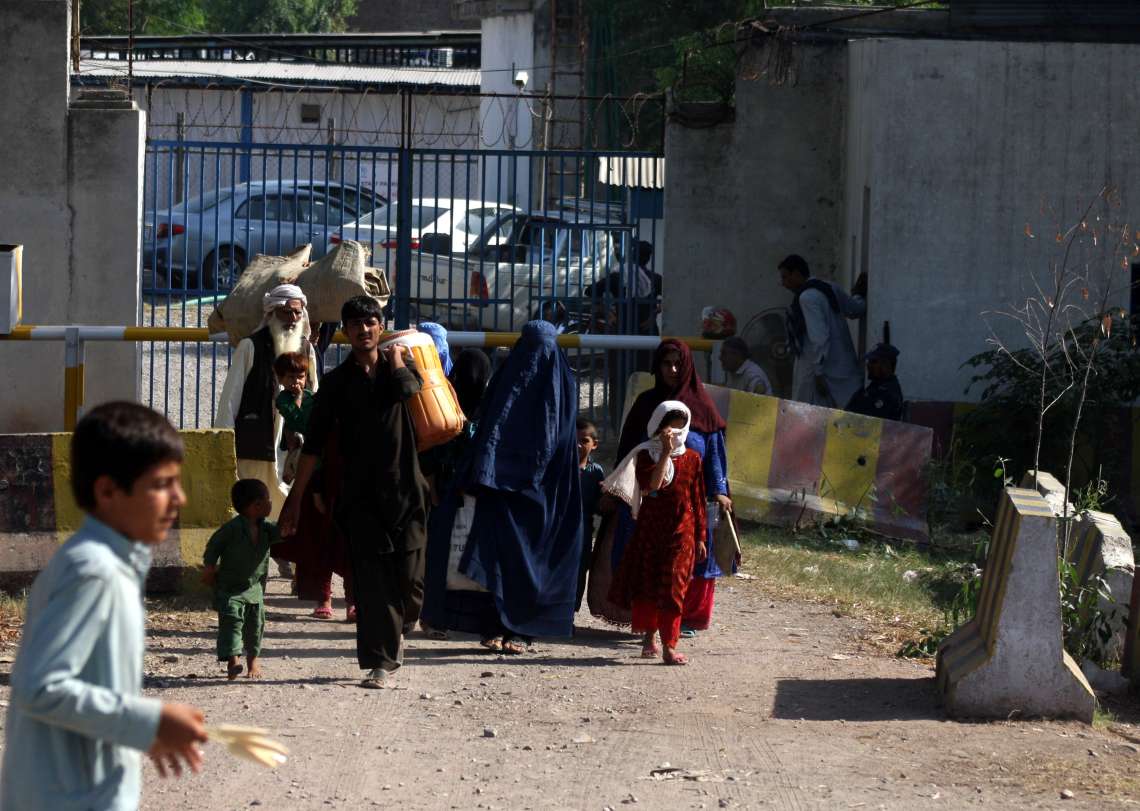
Mass deportations from Pakistan and Iran push thousands of Afghans back home as UN reports record arrests and Pakistan’s border closure triggers worsening economic disruptions across key sectors….reports Asian Lite News
More than 5,000 Afghan refugees were forcibly deported from Pakistan and Iran in the space of just twenty-four hours, according to a senior Taliban official, highlighting an intensifying pattern of expulsions that has raised alarm among humanitarian agencies and regional observers.
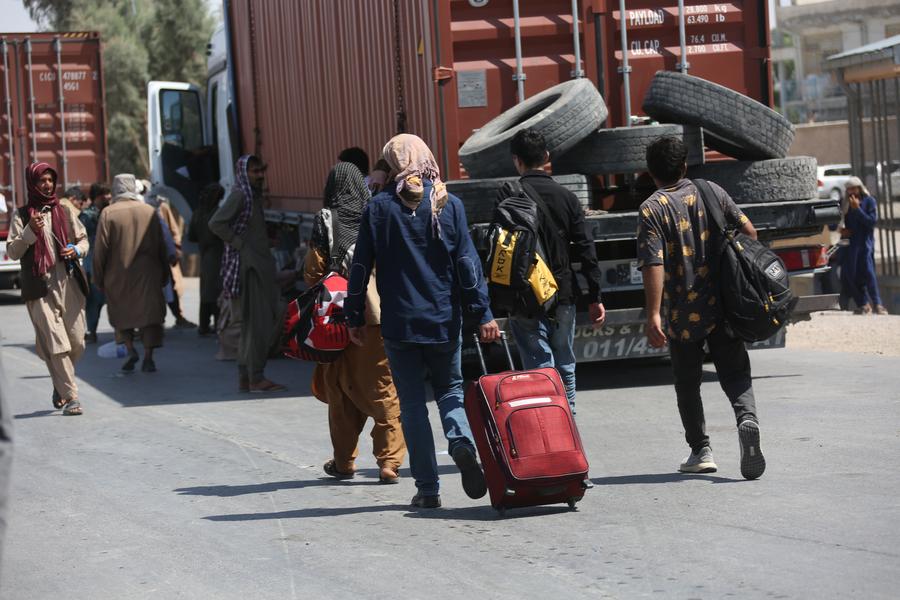
Taliban deputy spokesman Hamdullah Fitrat shared the figures on X, citing data from the High Commission for Addressing Migrants’ Issues. The report stated that 689 families, totalling 5,496 people, were returned to Afghanistan on Tuesday alone. The deportations took place through multiple entry points, including Bahramcha in Helmand, Torkham in Nangarhar, Islam Qala in Herat, Pul-i-Abresham in Nimroz, and Spin Boldak in Kandahar, suggesting a coordinated effort on both sides of the border to accelerate repatriations.
Fitrat added that 856 families — around 4,800 people — had been transported to their respective provinces following their return, while 563 families received humanitarian relief. As part of the reintegration efforts, Afghan telecommunications providers distributed 536 free SIM cards to returning migrants.
This surge in expulsions follows what the Taliban say were 3,164 forced returns recorded on Monday, indicating a sustained flow of deportations from both Pakistan and Iran as winter approaches and Afghanistan continues to grapple with economic strain, limited employment, and chronic shortages of essential services.
A record year for detentions
The figures come on the heels of a stark warning from the United Nations High Commissioner for Refugees (UNHCR), which recently reported that Pakistan had detained an unprecedented number of Afghan nationals in 2025. According to the agency, Pakistan arrested 100,971 Afghans between January and mid-November — a dramatic increase from around 9,000 arrests in 2024 and 26,000 in 2023.
The highest number of detainees were recorded in Balochistan’s Chagai and Quetta districts, as well as Attock district in Punjab, according to reports by Afghanistan’s Khaama Press. UNHCR noted that 76 per cent of those arrested were either undocumented migrants or Afghan Citizen Card holders, both groups increasingly vulnerable under Pakistan’s tightening domestic security policies. The remaining 24 per cent possessed Proof of Registration cards, which traditionally granted temporary protection.
Two key government orders issued earlier this year authorised Pakistani authorities to remove Afghan migrants from Islamabad and Rawalpindi, as well as detain PoR-card holders — directives that humanitarian agencies say have disproportionately affected families, women, and children.
International organisations have warned that mass deportations risk destabilising Afghan border provinces, where many returnees arrive with no shelter, income, or access to basic services. Aid groups have urged Pakistan to ensure that returns remain voluntary and comply with international refugee protection norms.
Border closure deepens Pak economic woes
Even as deportations accelerate, Pakistan has been grappling with a severe economic fallout from the ongoing closure of its border with Afghanistan. The crossings — sealed since 11 October — have disrupted trade flows, halted exports, and triggered supply shortages across key industries.
The cement sector has suffered some of the biggest setbacks. With Afghan coal imports halted and cement exports to Afghanistan frozen, manufacturers in northern Pakistan have been forced to turn to significantly more expensive coal from South Africa, Indonesia, and Mozambique. The price of domestic Darra coal has risen sharply from PKR 30,000–32,000 to PKR 42,000–45,000 per tonne, while Afghan coal — previously sold at PKR 30,000–38,000 — has disappeared from the market altogether.
Major producers such as Cherat, Fauji, and Maple Leaf Cement have been hit hard, given that exports to Afghanistan accounted for a crucial portion of their annual revenue.
The pharmaceutical industry has also been caught in the bottleneck. Pakistan exports medicines worth USD 187 million to Afghanistan annually, a figure that rises significantly when informal trade is included. Former Pakistan Pharmaceutical Manufacturers Association chairman Kaiser Waheed said consignments are now stranded at production facilities, with some medicines unable to be redirected to domestic markets due to regulatory restrictions.
The Searle Company has estimated potential losses of PKR 2 billion if the situation continues.
Agricultural exporters are facing a similar crisis. Pakistan’s USD 150 million fruit and vegetable exports to Afghanistan and Central Asia have nearly stalled. Imported Afghan fruits like pomegranates and grapes have doubled in price as supplies dwindle. More than 9,000 containers of goods are stuck at border points and ports, prompting business leaders to call the situation “deeply alarming”.