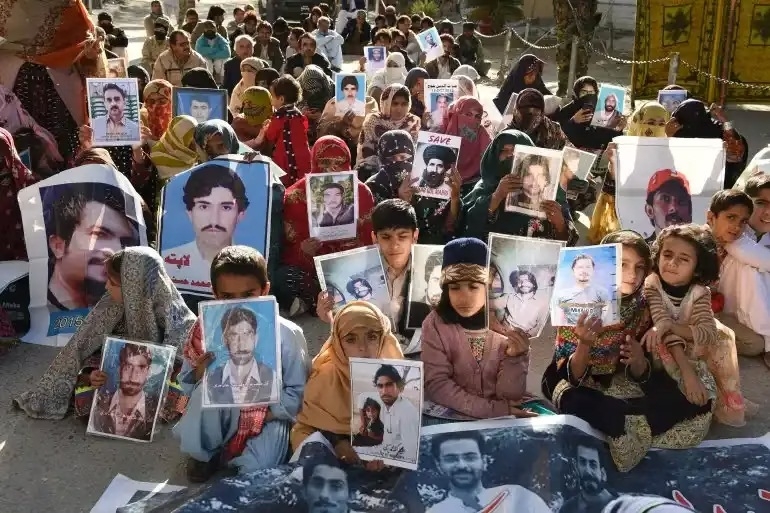
A Baloch rights group says 303 people remain missing after alleged enforced disappearances during the first half of 2026…reports Asian Lite News Desk
A Baloch rights group has reported 507 cases of enforced disappearance and 150 killings of civilians in Balochistan during the first six months of 2026, alleging involvement by Pakistani security forces and state-backed groups.
According to a report by the Human Rights Department of the Baloch Yakjehti Committee (BYC), 507 people were allegedly subjected to enforced disappearance by state authorities, security agencies and state-backed death squads between January and June.
Of those cases, the report said 150 people were released after short-term detention, while 32 were allegedly killed in custody. A further 303 people remained missing, with their families reportedly receiving no information about their fate or whereabouts.
The reported victims included 44 minors and more than 20 women. Quetta and Kech recorded the highest number of documented cases of enforced disappearance, according to the report.
The BYC alleged that paramilitary Frontier Corps (FC) and the Counter Terrorism Department (CTD) were involved in a significant number of the cases.
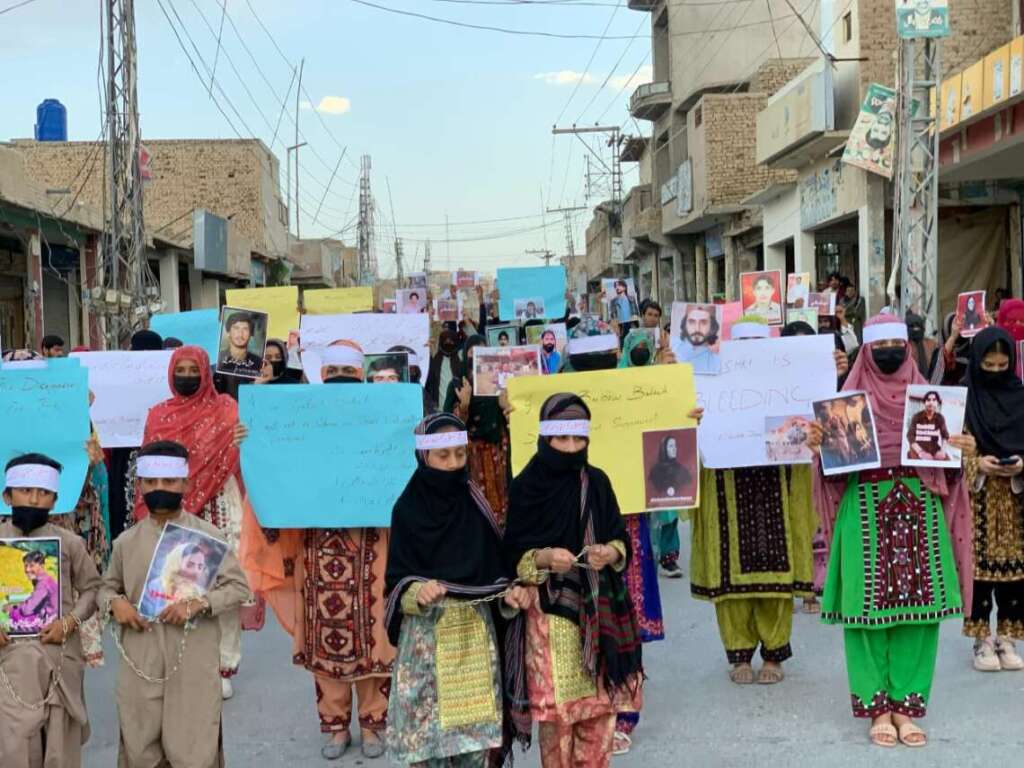
The organisation attributed 180 cases to the FC, 93 to the CTD and 42 to the army. It also linked 20 documented cases to death squads. Other cases, it said, involved combined operations by security forces, intelligence agencies, police, the CTD and death squads.
The BYC also documented 150 killings of Baloch civilians during the first half of 2026, including 15 minors.
Panjgur recorded the highest number of reported killings, followed by Kech and Gwadar, the report said. The organisation alleged that state-backed death squads were responsible for the largest number of killings, followed by the FC and army.
The report also raised concerns over the treatment of Baloch activists Mahrang Baloch and Bebarg Baloch, who the BYC said have remained in detention since March last year.
The organisation alleged that authorities had used detention, intimidation and other measures against the activists. It further claimed that both had repeatedly been denied basic medical care by prison authorities at the alleged direction of intelligence agencies.
The BYC said the wider human rights situation in Balochistan had deteriorated during the first six months of 2026, with restrictions on freedom of expression, peaceful assembly, movement and the right to protest.
According to the report, protests organised by human rights groups, families of people reported missing and political organisations were frequently met with harassment, intimidation, arrests and the use of force by authorities.
The allegations in the report concern Pakistani state institutions and security forces. The figures and claims cited above are those documented or alleged by the BYC and are not independently verified in the material provided.