David Perdue, a ‘hawkish’ figure in US politics, served as a Senator from 2015 to 2021, where he gained a reputation for his firm stance on China.
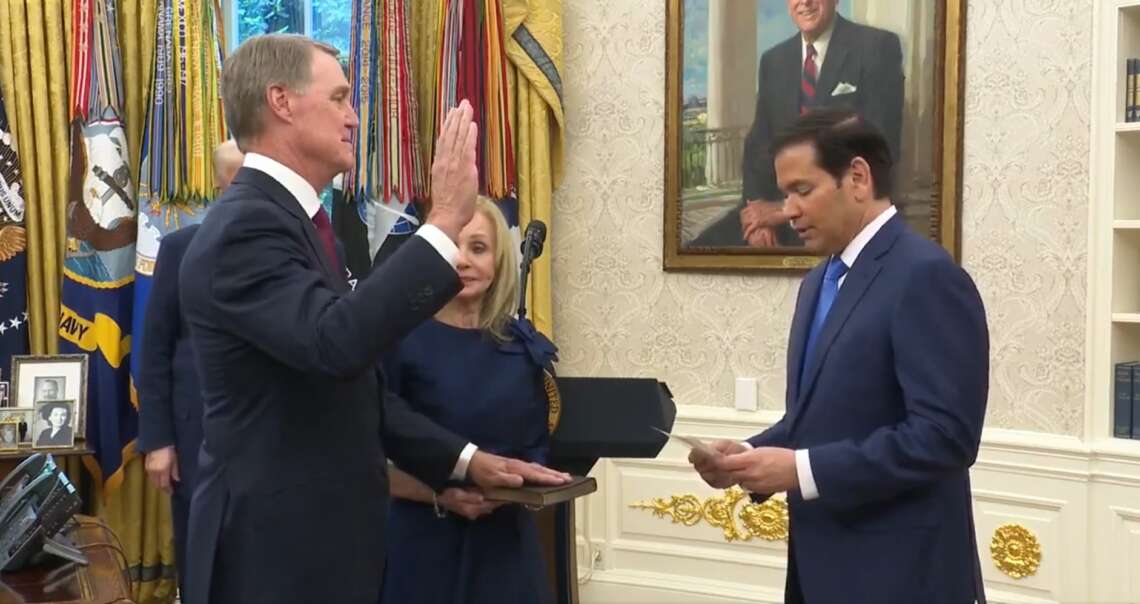
David Perdue, the former US Senator from Georgia, was officially sworn in as the United States Ambassador to China on Wednesday, in a ceremony held at the White House. Secretary of State Marco Rubio administered the oath of office, marking a significant step in the former lawmaker’s diplomatic career.
Perdue, a ‘hawkish’ figure in US politics, served as a Senator from 2015 to 2021, where he gained a reputation for his firm stance on China. Known for his tough approach to US-China relations, Perdue’s appointment is seen as part of the current administration’s efforts to strengthen its diplomatic presence and assert American interests in Beijing.
In his brief address following the ceremony, Perdue expressed his commitment to serving his country in this pivotal role. “I want the world to know I know this man personally. He loves this country, and I am glad to be your man in China,” Perdue said, referring to his passion for his nation. His statement underscores the deep responsibility he feels in representing the US in one of its most complex and consequential foreign relationships.
Perdue’s appointment comes at a time of heightened tensions between the US and China, particularly concerning trade, technology, and national security. As Ambassador, Perdue’s role will be crucial in managing these tensions while promoting stability in the Indo-Pacific region.
Trump’s Praise for Perdue
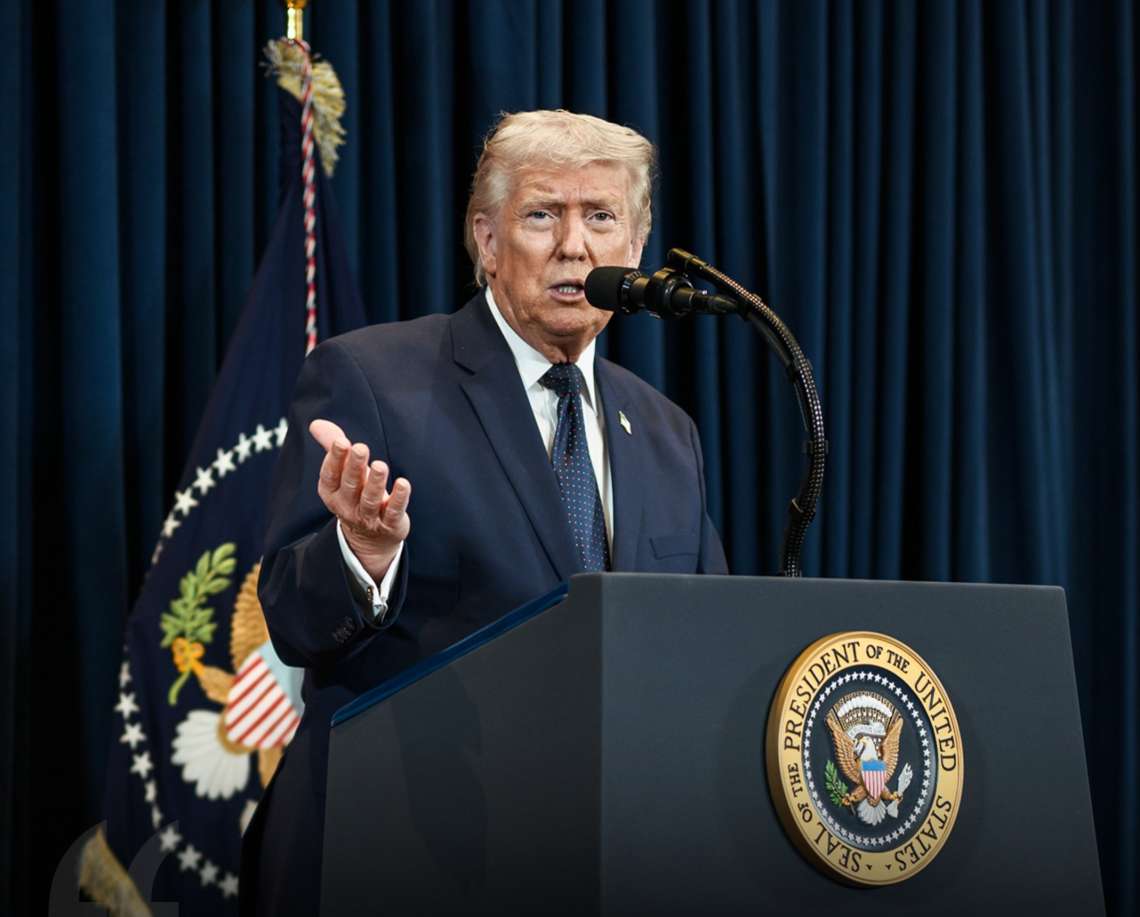
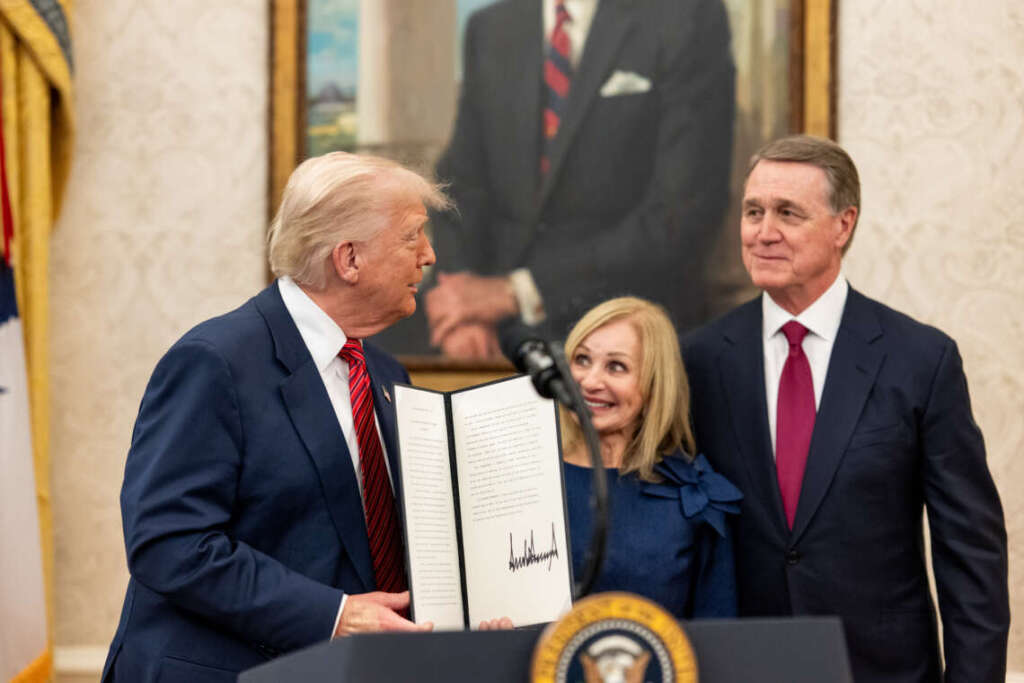
Former President Donald Trump, who was instrumental in nominating Perdue for the ambassadorial position, expressed his full confidence in the new ambassador’s ability to perform the role effectively. Speaking from the White House, Trump emphasized Perdue’s credentials and experience, both in the business world and in politics.
“This is a very extraordinary man and you’re going to do a fantastic job. Say hello to President Xi when you’re over there please,” Trump remarked. He added that Perdue would be instrumental in tackling one of the United States’ most pressing issues — the illegal flow of Chinese fentanyl into the US, a problem that claimed over 300,000 American lives last year alone.
“I know he’ll do a fantastic job as our lead diplomat in Beijing,” Trump continued. “David will work to promote American interests and stability in the Indo-Pacific, help stop the flood of Chinese fentanyl across our borders.”
Trump praised Perdue’s career, highlighting his leadership roles in major American corporations like Reebok and Dollar General. “David rose to lead several major American corporations, including as the President and CEO of the footwear giant Reebok and later as CEO of Dollar General. He also lived and worked in Singapore and Hong Kong, developing a wealth of experience negotiating and securing significant business deals.”
From Business to Politics
Perdue’s career trajectory is notable for his transition from a successful business executive to a highly regarded political figure. Before his time in the Senate, Perdue had a distinguished career in the private sector, including leading Reebok and Dollar General to significant growth and success. His international experience, particularly in Asia, gave him a valuable perspective on global business practices, making him an attractive candidate for the ambassadorial role.
In 2014, Perdue pivoted to public service, winning a seat in the United States Senate. During his tenure, he became a respected voice on foreign policy, particularly on issues involving China. Serving on the Senate Foreign Relations Committee, Perdue played a key role in shaping US policy in the region.
“Following his tremendous business success as an executive, David stepped forward to serve the American government. As we all know, in 2014, he was elected United States Senator in Georgia and he was very popular, very respected from day one,” Trump remarked. “He served on the Senate Foreign Relations Committee and was a tremendous partner to our administration during my first term.”
Trump further acknowledged Perdue’s achievements in the Senate, noting that Perdue had played a pivotal role in addressing a number of critical issues. “I dealt with him a lot and he solved a lot of problems,” Trump said, highlighting the trust he placed in Perdue to navigate the complex diplomatic landscape between the US and China.
Perdue’s Diplomatic Mission
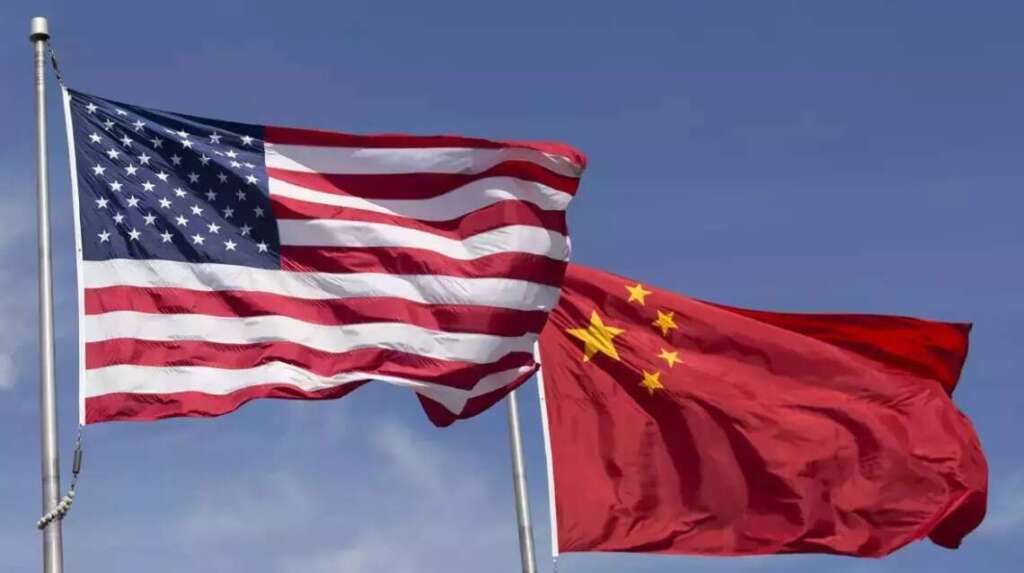
As Ambassador to China, Perdue faces a series of challenges that will test his diplomatic skills. The ongoing trade war between the two nations, technological tensions over companies like Huawei, and concerns over human rights abuses in Xinjiang and Hong Kong are just a few of the contentious issues at the forefront of US-China relations.
However, Perdue’s extensive experience in both business and politics positions him well for the task. His focus, according to Trump, will be on securing fairness and reciprocity for American workers, ensuring the safety of US citizens abroad, and promoting peace and stability in the region.
Perdue’s business acumen and global experience are expected to play a key role in his approach to diplomacy. His ability to foster economic relations while addressing security concerns will be central to his role in Beijing.
Looking Ahead
As David Perdue settles into his new role, all eyes will be on his approach to managing the US-China relationship, which remains one of the most critical diplomatic issues of the 21st century. With a strong background in both business and politics, Perdue is expected to bring a pragmatic and strategic approach to his diplomatic mission.
His swearing-in marks the beginning of a new chapter in US diplomacy with China, one that will require a delicate balance of economic, political, and security considerations. With Trump’s endorsement and the backing of the American political establishment, Perdue’s tenure as Ambassador is poised to shape the future of US-China relations for years to come.