Pope Leo XIV signals a more outspoken Vatican approach to global injustice in an address to new ambassadors. His remarks highlight a papacy shaped by missionary experience and deep concern for the world’s most vulnerable
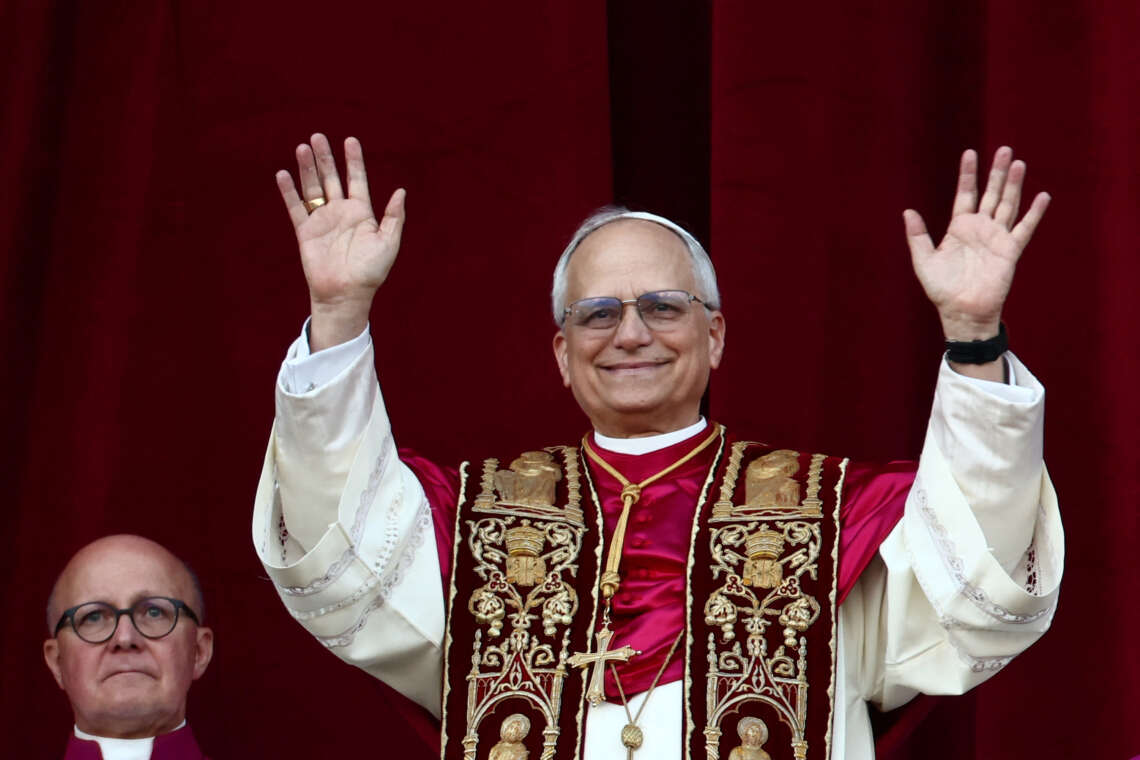
Pope Leo XIV declared on Saturday that the Vatican would not remain a “silent bystander” to human rights abuses worldwide, using an audience with newly accredited ambassadors to outline his emerging diplomatic worldview. The remarks are among the clearest indications yet of the direction the Church’s first US-born pontiff intends to take since his election in May following the death of Pope Francis.
Addressing 13 ambassadors presenting their credentials to the Holy See, Pope Leo said the Vatican would continue to speak out forcefully on global injustices. “I wish to reaffirm that the Holy See will not be a silent bystander to the grave disparities, injustices and fundamental human rights violations in our global community, which is increasingly more fractured and conflict-prone,” he said.
The Holy See, the central governing authority of the Catholic Church, conducts one of the world’s oldest diplomatic operations, with the pope serving as its spiritual and political head. With more than 1.4 billion Catholics under his pastoral authority, the pontiff’s diplomatic interventions often carry significant global influence.
Pope Leo emphasised that Vatican diplomacy is rooted in listening to the marginalised. Its mission, he said, is “consistently directed towards serving the good of humanity, especially by appealing to consciences and by remaining attentive to the voices of those who are poor, in vulnerable situations or pushed to the margins of society.”
His strong emphasis on inequality reflects continuity with the priorities of Pope Francis, who frequently championed the rights of migrants, refugees and other vulnerable communities. Yet Leo’s tone in recent months has signalled a more outspoken stance on international human rights, sometimes placing him directly at odds with political leaders.
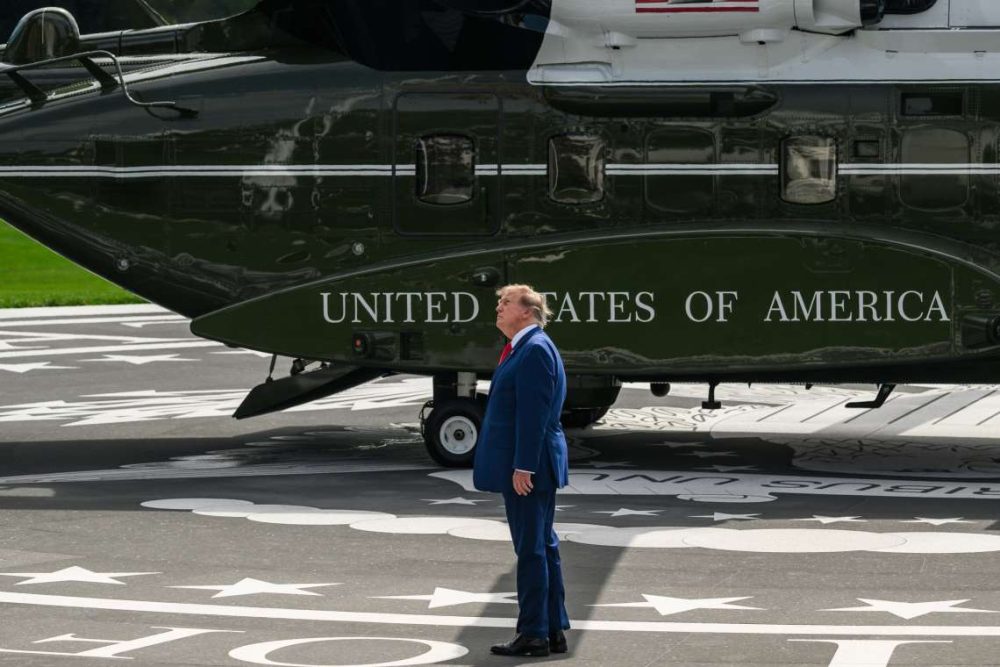
Before his election, Leo spent nearly two decades working as a missionary in Peru, experience that observers say shaped his sharp focus on poverty and social justice. Since assuming the papacy, he has criticised policies he views as discriminatory or dehumanising—including, in November, labelling the treatment of migrants in the United States under former president Donald Trump “extremely disrespectful.”
Saturday’s audience included ambassadors from Uzbekistan, Moldova, Bahrain, Sri Lanka, Pakistan, Liberia, Thailand, Lesotho, South Africa, Fiji, Micronesia, Latvia and Finland. The diplomatic corps at the Vatican often serves as a key conduit for the Church’s humanitarian and peacebuilding efforts, particularly in regions experiencing conflict or political instability.
In his address, Pope Leo urged the diplomats to work collaboratively not only with the Vatican but also with one another to address the “shared human challenges” of rising inequality, displacement, and geopolitical fragmentation. He warned that societies were becoming “more fractured and conflict-prone,” and called for renewed international cooperation grounded in respect for human dignity.
The pope’s comments come as global tensions remain high, with armed conflicts, forced migration and political polarisation shaping the international landscape. Observers within the Holy See say Pope Leo is seeking to position the Vatican as a moral voice capable of influencing world affairs while maintaining its commitment to dialogue, peace and the defence of the vulnerable.
While his pontificate is still in its first year, Pope Leo XIV’s early statements indicate a willingness to confront global powers more directly on human rights concerns, marking a potentially assertive phase in Vatican diplomacy.