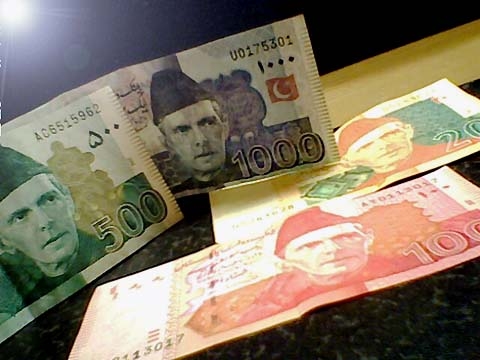
The poverty rate, which had been declining for nearly two decades, has now surged to 39 per cent…reports Asian Lite News
Pakistan is facing a deepening poverty crisis that reflects the convergence of economic mismanagement, structural inefficiencies, and environmental devastation.
The poverty rate, which had been declining for nearly two decades, has now surged to 39 per cent, pushing an estimated 12.5 million additional people below the poverty line, according to an article in Lens Asia, a Bangladesh media outlet.
Between fiscal years 2020 and 2025, the country has experienced severe volatility in inflation, GDP per capita growth, and sectoral performance, all of which have contributed to a sharp rise in poverty, the article states.
Persistently high energy costs and elevated core inflation continued to squeeze vulnerable families, many of whom were already struggling to meet basic needs. Human capital development has also suffered, with over one-third of children out of school in 2024–25. The exclusion is most severe among female students and the youngest age cohorts, threatening long-term productivity and perpetuating cycles of poverty, the article points out.
One of the most crippling contributors to Pakistan’s economic distress is the circular debt crisis in the power sector, which has ballooned to Rs 2.4 trillion as of September 2025, equivalent to 2.1 per cent of the country’s GDP.
This debt represents unpaid dues to electricity companies for power that has already been consumed but not compensated for, creating a vicious cycle that stifles growth and drains public resources.
At the heart of this crisis are Independent Power Producers (IPPs), private entities operating under contracts signed since the 1990s that guarantee profits in U.S. dollars while shielding them from business risks.
These contracts include “capacity charges,” which require payments for simply keeping power plants operational, and “take-or-pay” clauses that obligate the government to purchase electricity regardless of actual demand.
A government inquiry revealed that IPPs earned Rs 1,000 billion in excess profits through inflated costs and guaranteed payments. Yet, instead of recovering these funds, the government chose to pass the burden onto citizens.
Fiscal consolidation measures have further exacerbated poverty. Indirect tax hikes have disproportionately impacted the poor, while real-term reductions in the Public Sector Development Programme (PSDP) have curtailed infrastructure spending and limited labour income opportunities.
Natural disasters have compounded these economic challenges, particularly in flood-affected districts across Balochistan, Khyber Pakhtunkhwa, and Sindh. Over 11.8 million people are projected to face acute food insecurity during the winter lean period, with 2.2 million classified in Emergency (IPC Phase 4).
These regions continue to grapple with reduced crop and livestock production due to heavy monsoon rains that submerged farmland and triggered disease outbreaks among animals.
Amid this backdrop of economic fragility, Pakistan’s currency appears deceptively stable. As of September 2025, the USD/PKR exchange rate stands at 282.01, having strengthened slightly over the past month while declining 1.94 per cent over the past year.
This apparent stability, however, is the result of one of the most aggressive currency manipulation campaigns in emerging market history.
The State Bank of Pakistan has purchased $9 billion from the interbank market over the past nine months to artificially boost reserves and create demand for the rupee, despite market fundamentals suggesting otherwise.
Pakistan’s foreign exchange market is particularly vulnerable due to its shallow structure, with a daily turnover of just $200-300 million.
Central bank interventions now account for 30-40 per cent of daily volume, distorting price discovery and making stability exponentially more expensive to maintain as pressures mount.
Without urgent reforms, Pakistan risks entrenching poverty for millions more, undermining its development goals and destabilising its social fabric. The illusion of stability cannot mask the reality of growing deprivation, and the time for corrective action is rapidly running out, the article added.