The protest ban came just a day before the planned march, with the prefect of Abidjan declaring all gatherings illegal to “preserve public order” ahead of the polls.
Authorities in Ivory Coast arrested at least 237 people on Saturday after a banned protest in the capital, Abidjan, turned tense, reflecting growing unease ahead of the country’s upcoming presidential election.
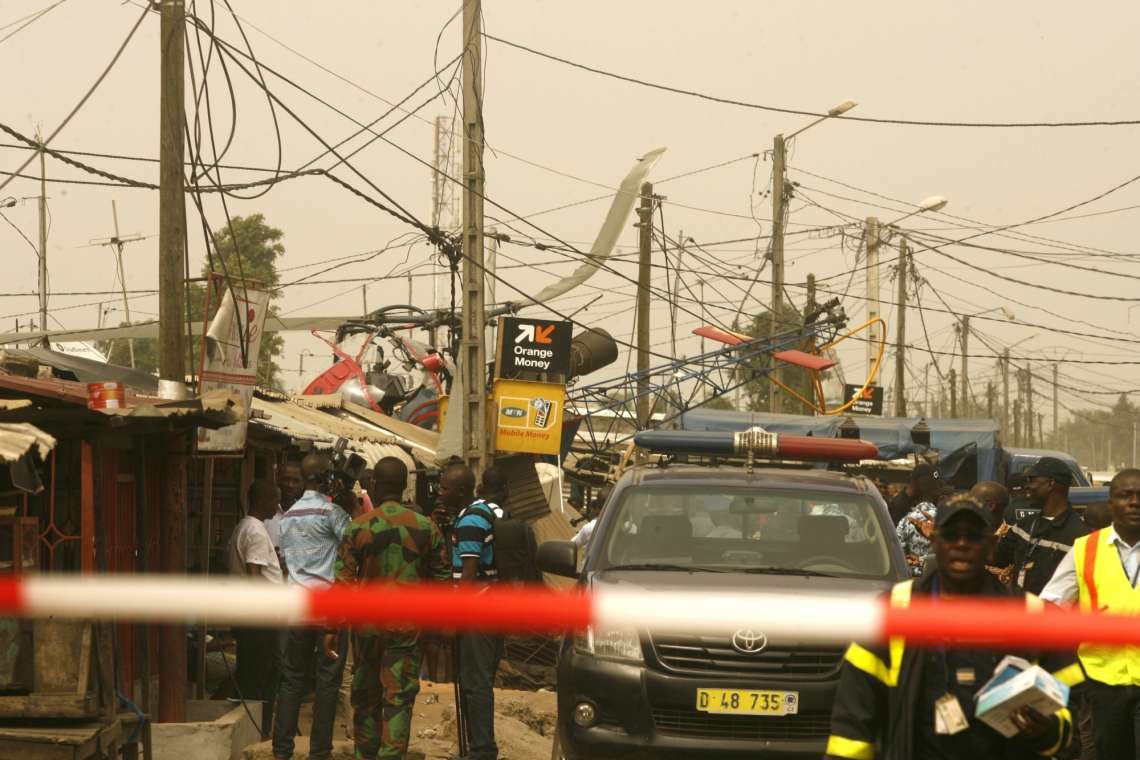
Security forces used tear gas to disperse demonstrators who had gathered despite a government ban. Protesters erected makeshift roadblocks and clashed with police in parts of the city, witnesses reported. The Interior and Security Minister, Gen. Vagondo Diomandé, confirmed the arrests on national television, saying those detained would “be held accountable for their actions.”
The demonstration was organized in response to what civil society groups and opposition activists have described as an increasing erosion of democratic freedoms under President Alassane Ouattara’s rule. The political climate has become particularly charged after the national electoral commission disqualified four key opposition figures earlier this year, including former President Laurent Gbagbo and ex-Credit Suisse CEO Tidjane Thiam.
Ivory Coast, home to over 32 million people and West Africa’s largest French-speaking economy, is set to vote for president in two weeks. President Ouattara’s decision to run for a controversial fourth term has intensified public discontent. The 81-year-old leader has been in power since 2010 and previously pledged not to seek re-election after his third term.
However, a constitutional revision in 2016, which removed term limits, has allowed Ouattara to argue that his previous terms do not count under the new framework. In a recent address, he defended his candidacy by citing the country’s growing security and economic threats, saying “Ivory Coast needs stability and experienced leadership during uncertain times.”
The protest ban came just a day before the planned march, with the prefect of Abidjan declaring all gatherings illegal to “preserve public order” ahead of the polls. Critics argue the move was aimed at silencing dissent.
Ivory Coast has a history of electoral violence. The 2020 presidential vote, also marred by controversy, saw dozens killed during opposition-led protests. Analysts fear a similar outcome this year as political tensions escalate.
Beyond domestic issues, regional instability is adding to the pressure. Armed groups affiliated with al-Qaida and the Islamic State have been expanding their presence from the Sahel into coastal West African nations, including Ivory Coast, raising further concerns ahead of the election.