Trump offers Qatar an unprecedented security guarantee, pledging US military protection amid Israeli strike and Gaza peace negotiations, reinforcing Qatar’s role in regional diplomacy.
In an extraordinary move, the United States has officially offered Qatar an unprecedented security guarantee against attacks, effectively pledging American military protection should the Gulf state be targeted.
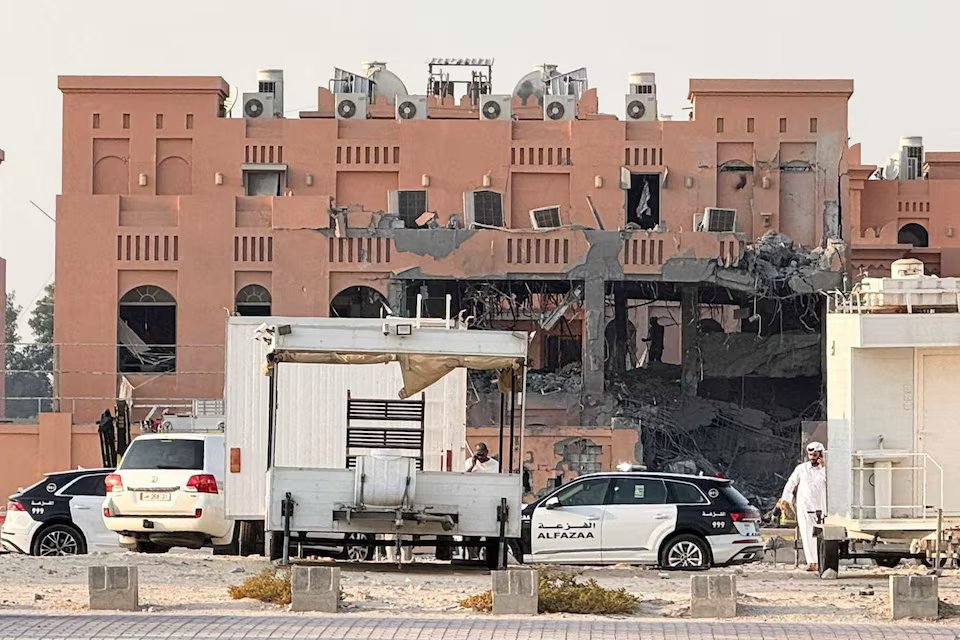
The announcement comes after a recent Israeli strike in Doha, Qatar’s capital, which killed a Qatari internal security staffer while Hamas leaders were reportedly unharmed. The strike threatened to destabilise Qatar’s crucial role in mediating negotiations for a ceasefire in Gaza, putting the US in a delicate position between two strategic allies.
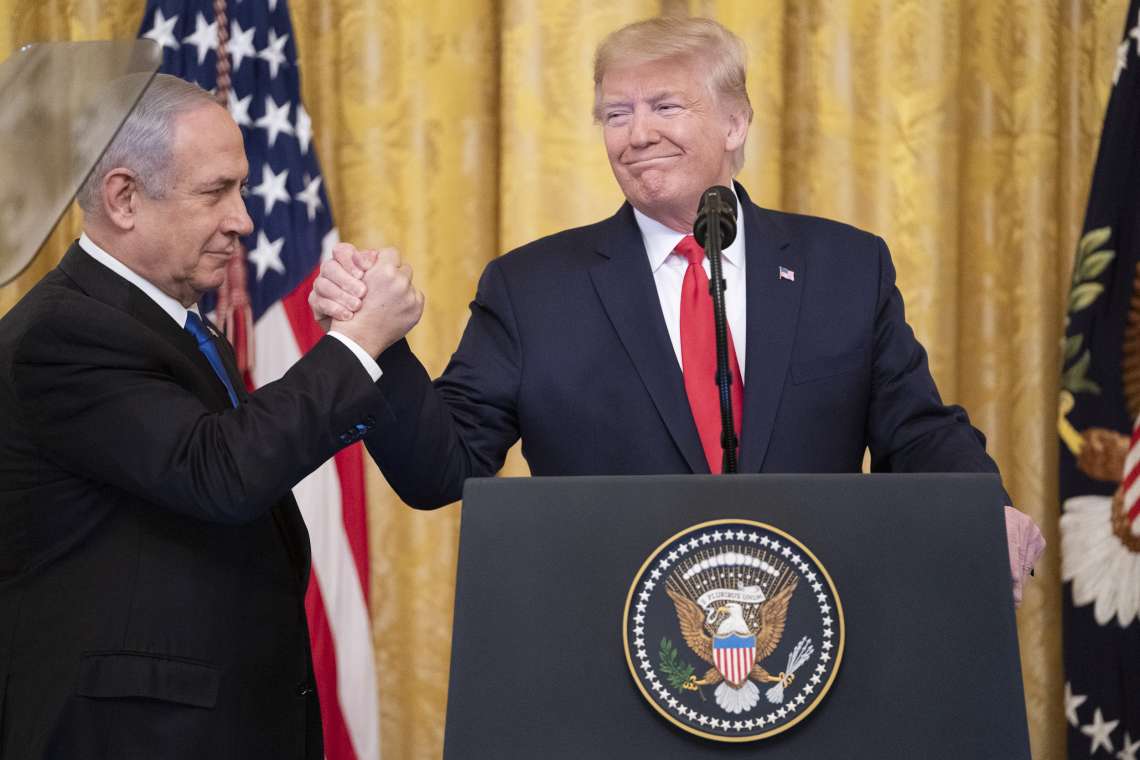
On Wednesday, the White House released Trump’s executive order, signed on Monday—the same day Israeli Prime Minister Benjamin Netanyahu met Trump at the White House. The order declares that any attack on Qatar will be treated as a direct threat to the United States, prompting immediate military action in its defence. While reminiscent of the NATO principle of collective defence, this guarantee is not a formal treaty and does not require Senate approval.
The unprecedented security commitment establishes a clear “red line” for Israel and other potential aggressors, signalling that Qatar’s sovereignty is inviolable under US protection. It also underscores the strategic importance of Qatar as a hub for regional diplomacy. The small Gulf state has frequently hosted rival factions, including Taliban representatives, and now plays a pivotal role in Trump-led Gaza peace negotiations.
Trump unveiled the Gaza peace plan alongside Netanyahu, emphasising that the initiative has the backing of Qatar, other Arab nations, and multiple Muslim-majority countries. The executive order serves as both a political and security guarantee, reassuring Doha amid growing tensions.
US officials noted that Israel did not consult the United States prior to its September 9 strike, alerting Washington only minutes before the operation commenced. The attack drew criticism for undermining US credibility and disrupting the delicate peace talks in which Qatar was facilitating discussions with Hamas.
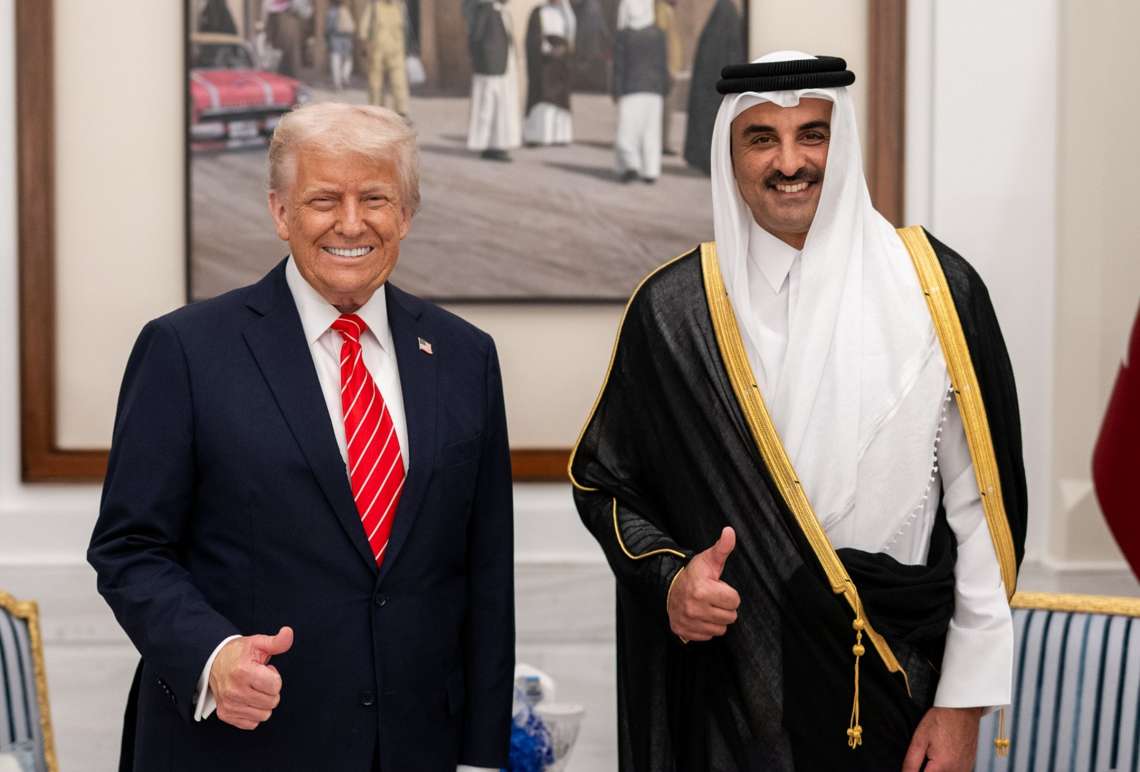
The White House arranged a call between Netanyahu and Qatar’s Emir, Sheikh Mohammed bin Abdulrahman Al Thani, during which Netanyahu expressed regret and reaffirmed that Israel would respect Qatari sovereignty going forward. The gesture further underscores Qatar’s close relationship with Trump, highlighted by a $500 billion investment pledge in the US over the next decade and a high-profile gift of a Boeing 747 during his May visit.
Qatar hosts Al Udeid Air Base, the largest American military installation in the region. The Trump administration’s guarantee would also serve to protect the base from potential Iranian attacks, following a June strike on the facility in retaliation for US operations on Iranian nuclear sites.
Trump’s special envoy for the Middle East, Steve Witkoff, has reportedly met with Hamas officials in Qatar to advance ceasefire negotiations. Analysts suggest that the Israeli attack may have been motivated by domestic political pressures to disrupt a peace deal that could limit the ambitions of Israel’s far-right coalition and Prime Minister Netanyahu.
By extending this security assurance, Trump is cementing Qatar’s role as a trusted partner, preserving its ability to mediate regional conflicts, and signalling the US commitment to protecting strategic Gulf allies. The guarantee not only shields Qatar from external attacks but also strengthens Washington’s hand in ongoing peace negotiations for Gaza.
For Qatar, the U.S. security guarantee provides much-needed reassurance amid ongoing regional tensions. The small but affluent Gulf state has long been exposed to geopolitical disputes, most notably during the 2017 blockade by Saudi Arabia, the UAE, Bahrain, and Egypt over alleged support for extremist groups — claims Doha has consistently denied. Although the blockade ended with a reconciliation agreement in early 2021, underlying suspicions have persisted.
The move carries potential risks. Critics in Washington question whether the executive order constitutes a binding security treaty, noting it was issued solely by the president without Congressional approval. Some warn it could encourage Qatar to adopt a more assertive stance toward regional rivals or deepen U.S. involvement in Gulf conflicts.
Israel has sought to downplay the implications, emphasising that its security relationship with the United States remains intact. Yet, the unusual apology from Prime Minister Benjamin Netanyahu highlights the strain the incident has placed on ties between Washington and Jerusalem.