Despite the financial pressures, Spoljaric stressed the ICRC’s commitment to remaining on the front lines of conflict zones, where few other organisations can operate….reports Asian Lite News
The International Committee of the Red Cross (ICRC) will slash its 2026 budget by 17 percent and cut nearly 3,000 jobs worldwide, citing a severe decline in donor contributions at a time of rising global conflicts and humanitarian need. The organisation announced that its newly approved budget stands at 1.8 billion Swiss francs ($2.2 billion), a sharp reduction from this year’s allocation, reflecting what it called an increasingly “challenging financial environment in the humanitarian sector.”
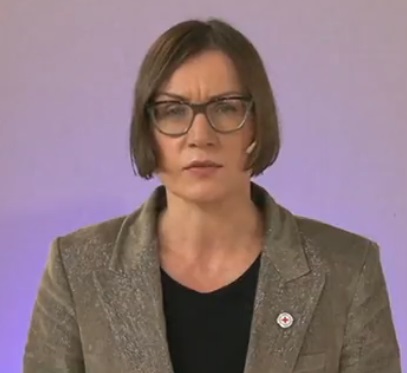
ICRC President Mirjana Spoljaric warned that the cuts come at a moment when the world is facing an unprecedented combination of intensifying conflicts, shrinking aid flows and growing tolerance for violations of international humanitarian law. “We face a dangerous convergence of escalating armed conflicts, significant cuts to aid funding, and a systemic tolerance for grave breaches of international humanitarian law,” she said.
Despite the financial pressures, Spoljaric stressed the ICRC’s commitment to remaining on the front lines of conflict zones, where few other organisations can operate. But she conceded that the organisation is being forced into “difficult decisions” to ensure that critical humanitarian support continues to reach the most vulnerable.
The reduced budget means the ICRC will cut the equivalent of around 2,900 full-time positions. The Geneva-based organisation currently employs more than 18,000 staff across the world. The announcement adds to growing concerns about the sustainability of humanitarian responses during a period of escalating crises.
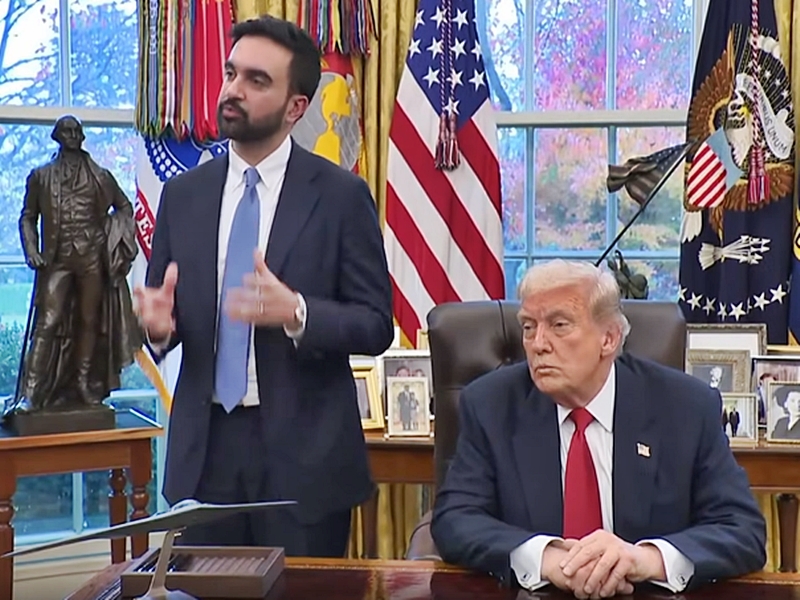
The funding crisis comes as the world grapples with soaring geopolitical tensions and a tightening of national budgets. The return of President Donald Trump to the White House has reshaped the global aid landscape: the United States — traditionally the world’s largest donor — has significantly reduced its foreign aid spending this year. Other major donors have also scaled back contributions amid rising defence expenditures and competing domestic priorities.
“As defence budgets surge, states must also put more effort and resources into preventing conflicts, defending the rules of war and providing humanitarian relief,” Spoljaric said. “Failure to do so risks a world of ever more and greater suffering.”
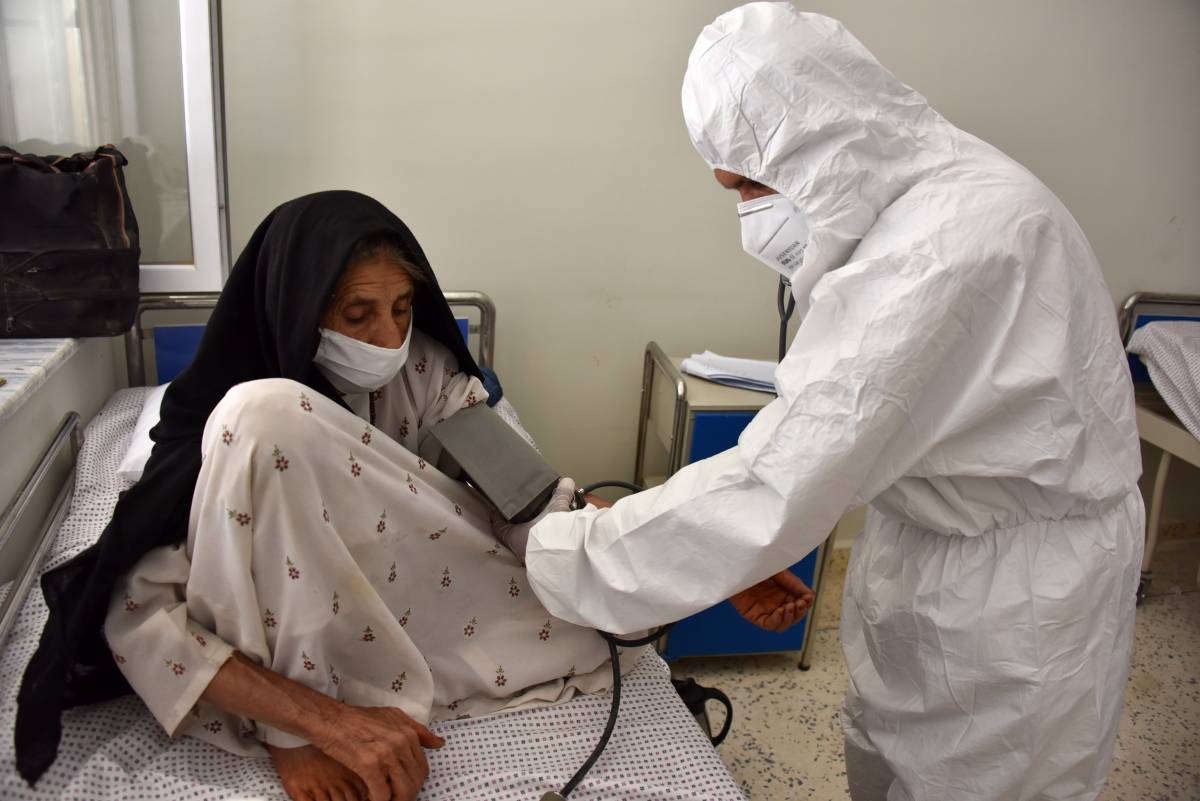
According to the ICRC, humanitarian needs have been outpacing available resources even before the current funding crunch. The organisation points to more than 130 active armed conflicts worldwide, many of them protracted and increasingly complex. The crisis has stretched aid providers to breaking point, with multiple high-intensity conflicts erupting simultaneously in regions with limited access, fragile infrastructure and high civilian casualties.
With its reduced budget, the ICRC will focus on safeguarding operations in the most critical conflict zones. Priority areas include Sudan, Israel and the occupied Palestinian territories, Ukraine and the Democratic Republic of Congo — regions where the humanitarian footprint is considered essential and where civilian populations face extreme risks from ongoing violence.
Spoljaric emphasised that no amount of humanitarian funding can match the scale and duration of today’s conflicts without stronger political action from states. She called on governments to recommit to preventing and resolving conflicts, respecting international humanitarian law, and ensuring that organisations like the ICRC have the resources to operate effectively. “We need urgent action from states to prevent and resolve conflicts, uphold international humanitarian law and ensure that humanitarian organisations such as the ICRC can continue to save lives and alleviate suffering,” she said.
The ICRC’s downsizing highlights the growing gap between global humanitarian needs and the resources available to meet them — a trend that aid experts warn could have devastating implications for millions caught in conflict.