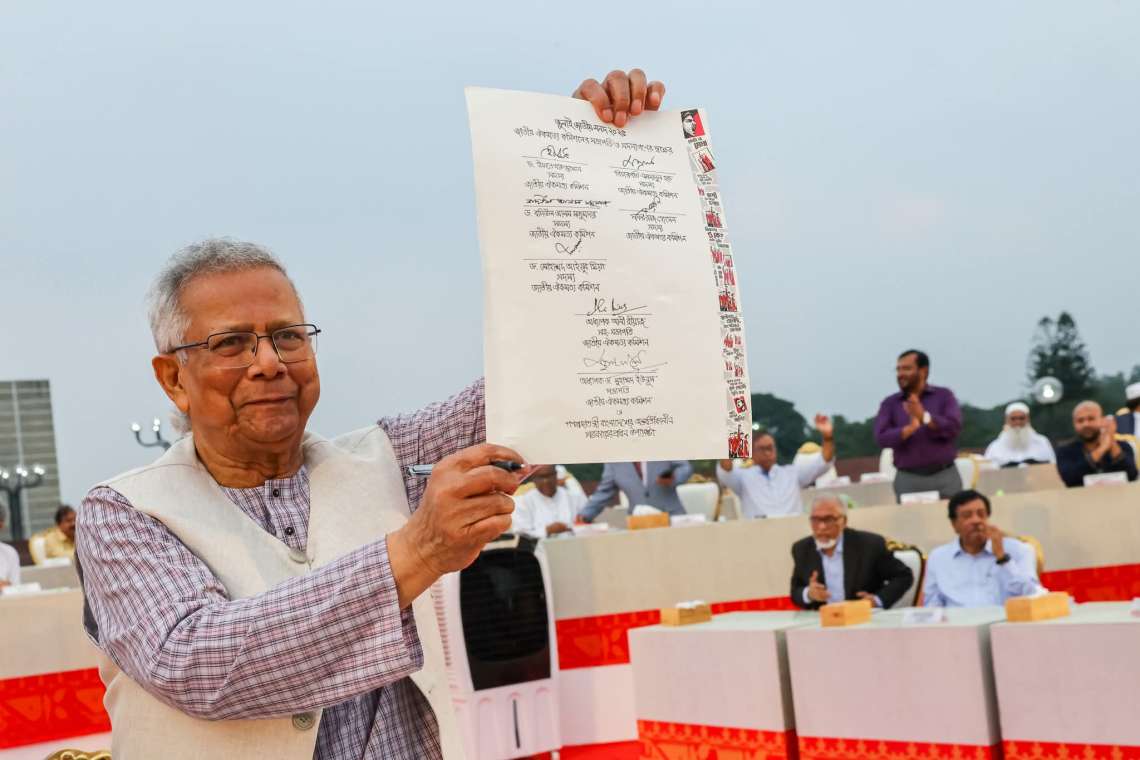
As Bangladesh readies for 2026 polls, tensions within Muhammad Yunus’s interim government expose deep cracks between coalition partners and rising student factions vying for political influence.
Bangladesh’s interim government, led by Nobel laureate and Chief Adviser Muhammad Yunus, is facing internal divisions and political strain just months before the country’s next parliamentary elections, slated for February 2026.
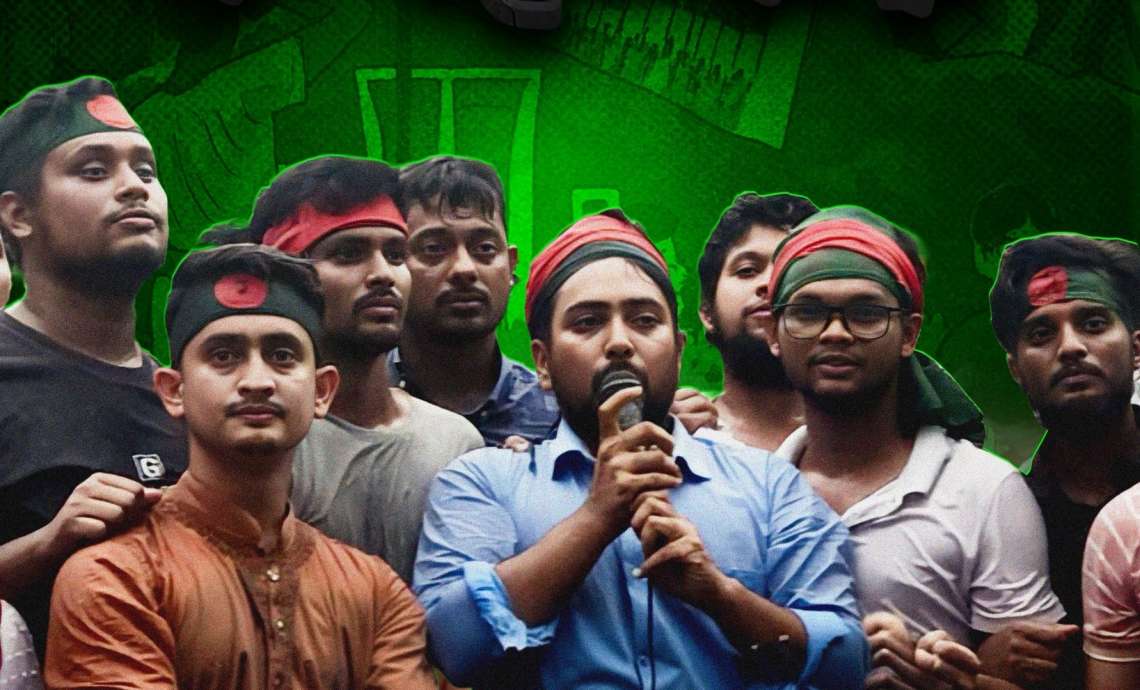
According to Economic Times report citing government insiders, Yunus has been forced to ask two key advisers — Mahfuj Alam, responsible for information and broadcasting, and Asif Mahmud Sojib Bhuyain, who oversaw local government — to step down amid mounting pressure from major coalition partners, the Bangladesh Nationalist Party (BNP) and Jamaat-e-Islami (JeI). Both advisers were influential student leaders associated with the National Citizen Party (NCP), which has been gaining prominence among young voters.
The BNP and Jamaat reportedly questioned the advisers’ neutrality, accusing them of aligning too closely with the NCP and using their positions to boost the student-led group’s profile. Analysts say this friction underscores the uneasy balance within Yunus’s coalition, where long-standing political parties remain wary of youth movements encroaching on their traditional voter bases.
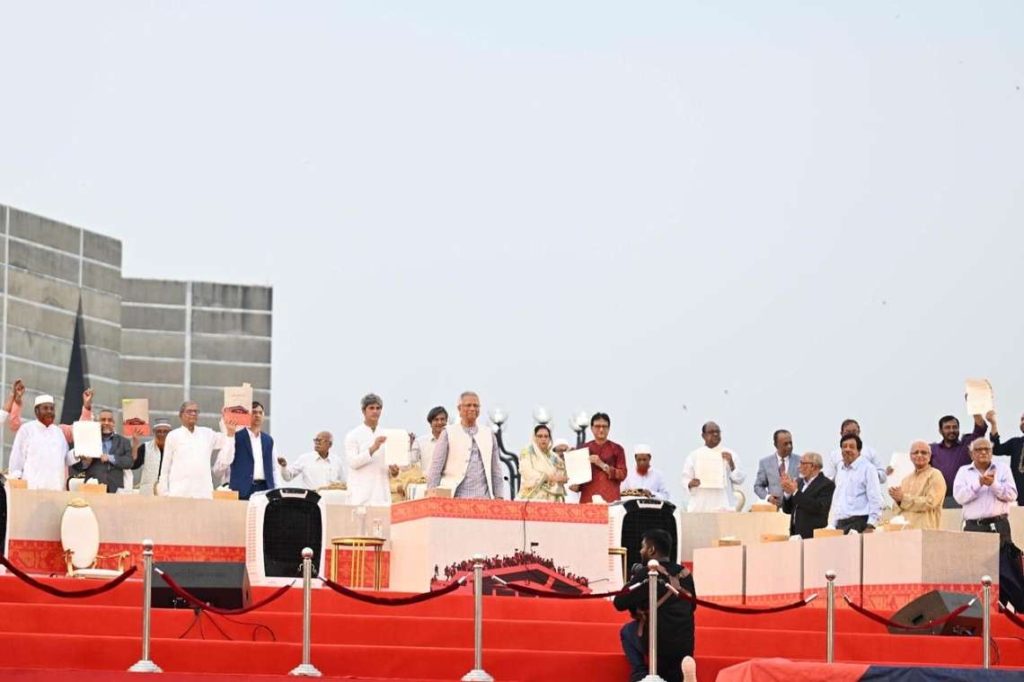
Compounding the turmoil, Yunus’s office was hit by conflicting messages about the political future of the Awami League, which ruled Bangladesh for over a decade under Sheikh Hasina before her ouster. Shafiqul Alam, Yunus’s Press Secretary, told reporters that there was “no possibility” of the Awami League contesting the national elections — a statement that contradicts Yunus’s own earlier assertion that the party’s activities were merely “suspended” and could resume.
Political observers warn that the emerging rifts and mixed signals could undermine the Yunus government’s credibility and destabilise the delicate transition process. With the country’s political landscape already polarised and the February polls approaching, Bangladesh appears headed for another uncertain chapter in its democratic journey.