BNP leader Tarique Rahman returns to Dhaka after 17 years as Bangladesh heads into a tense election season, testing political stability and the interim government’s promise of credible polls.
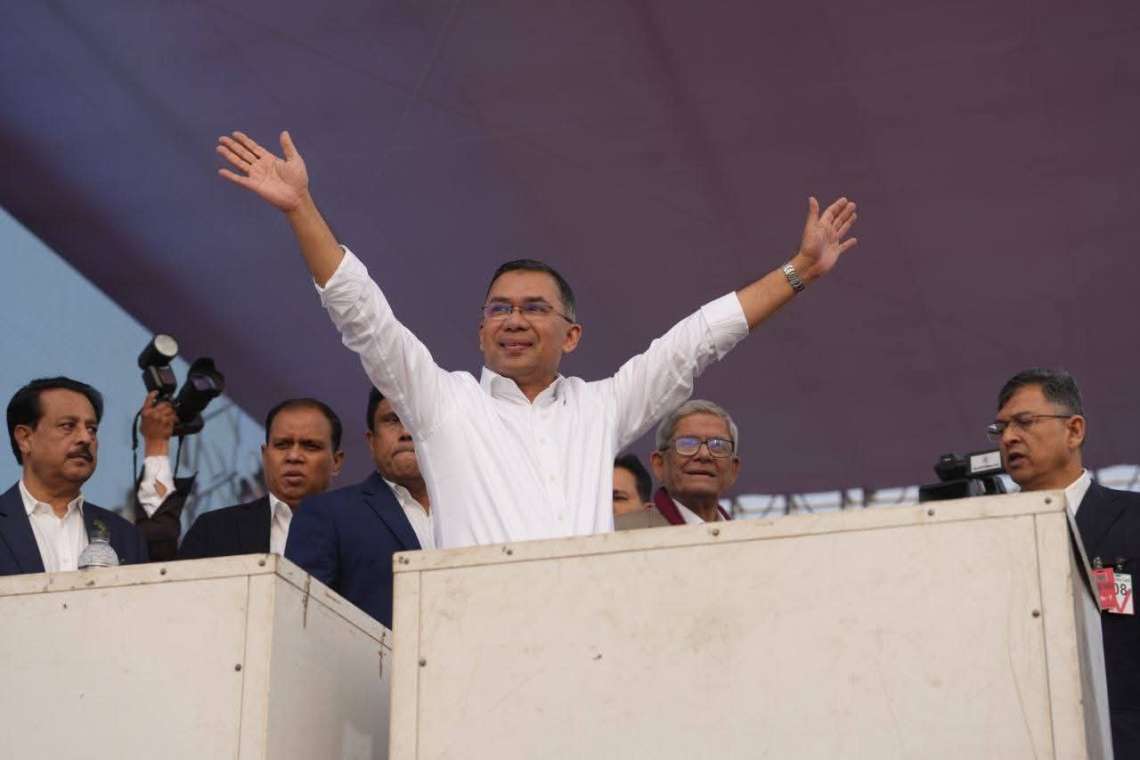
Bangladesh’s volatile political landscape entered a new phase on Thursday with the return of Bangladesh Nationalist Party (BNP) acting chairman Tarique Rahman after 17 years in self-imposed exile, a move that has already begun reshaping calculations ahead of the country’s next national elections.
Rahman arrived in Dhaka from London on a Biman Bangladesh Airlines flight, accompanied by his wife Zubaida Rahman and daughter Zaima Rahman. His homecoming follows a series of legal developments that cleared the way for his return, including acquittals in major cases that had previously kept him out of the country. Party leaders said Rahman would briefly address supporters before visiting his mother, former prime minister and BNP chairperson Khaleda Zia, who is currently receiving treatment at Evercare Hospital’s coronary care unit.
Senior BNP figures described the return as a significant moment for the party, which Rahman has led from London for nearly two decades. Standing Committee member Salahuddin Ahmed said detailed arrangements had been put in place for Rahman’s arrival, including travel plans and post-arrival engagements, while confirming that formalities to enrol him as a registered voter would be completed shortly.
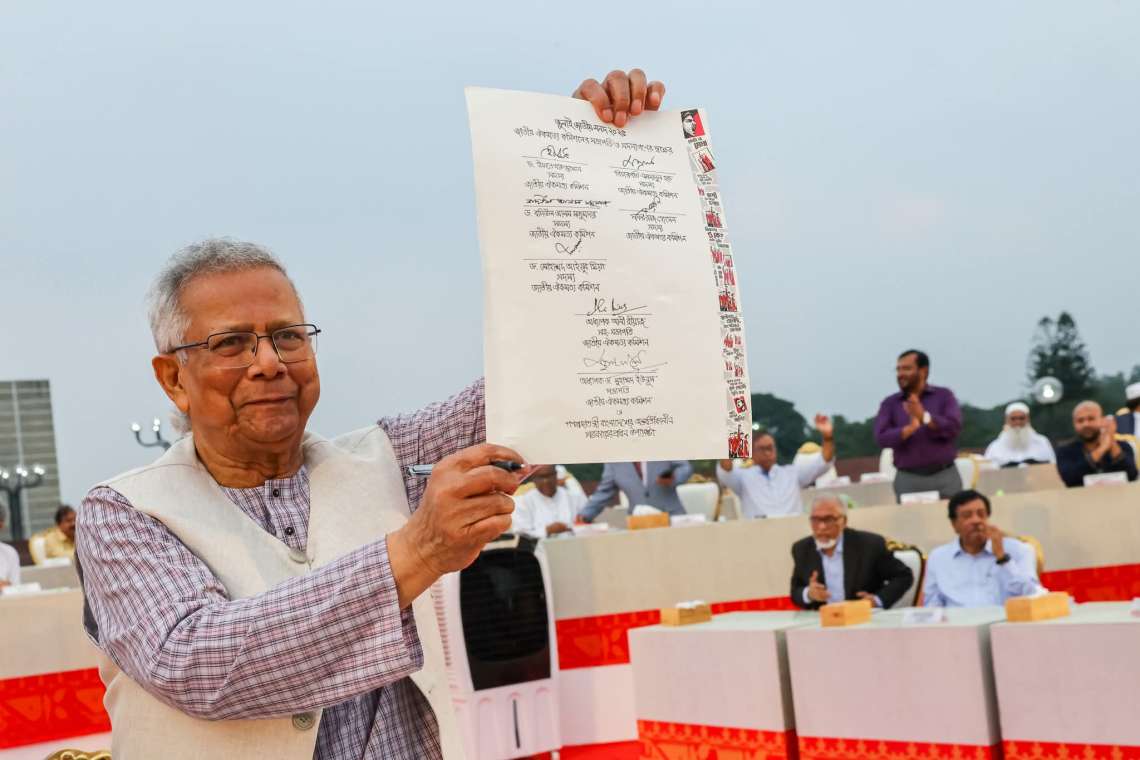
The interim government, led by Chief Adviser Muhammad Yunus, struck a conciliatory tone. Press Secretary Shafiqul Alam said the administration welcomed Rahman’s return and was extending all necessary cooperation to ensure his safety. He said security arrangements had been finalised in consultation with the BNP and that the government was making its highest effort to maintain order.
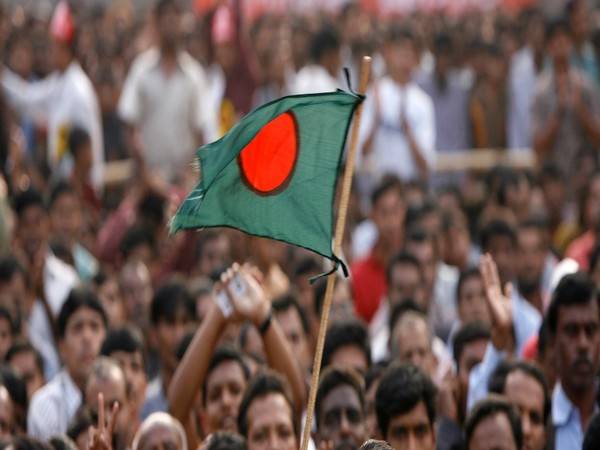
Rahman’s arrival is expected to draw massive crowds. Local media reported that more than 100,000 BNP supporters from Chittagong and surrounding districts were travelling to Dhaka to greet him, underlining his continued influence within the party and among its grassroots base.
The timing of the return is politically charged. The Election Commission has announced that Bangladesh’s 13th national parliamentary election, along with a referendum on the July Charter, will be held on February 12 next year. Analysts say Rahman’s presence on the ground will energise the BNP and sharpen the contest at a time when the Yunus-led interim government is under intense pressure to deliver a free, fair and credible poll.
Observers also caution that his return could heighten tensions. Bangladesh has seen a surge in political violence in recent months, and critics argue that the re-entry of a polarising figure into an already charged environment risks deepening divisions. Rahman’s comeback comes against the backdrop of the Awami League’s ouster last year, an upheaval in which the BNP aligned itself with the interim administration.
India responded by placing Rahman’s return firmly within a democratic framework. Ministry of External Affairs spokesperson Randhir Jaiswal said New Delhi supported free, fair and inclusive elections in Bangladesh and viewed the BNP leader’s return in that wider context. He reiterated India’s consistent position in favour of peace and stability in Bangladesh and strong ties with its people.
The MEA also underlined India’s historical relationship with Bangladesh, rooted in the 1971 Liberation War and strengthened through development cooperation and people-to-people links. Jaiswal said India continued to monitor the evolving situation closely, particularly amid concerns over rising violence and attacks on minorities, including Hindus, which New Delhi has raised with Bangladeshi authorities.
For the BNP, Rahman’s return is being framed as a step towards restoring competitive politics after years of exile-driven leadership. For the interim government, it is a test of its ability to manage security and political neutrality. And for Bangladesh’s electorate, it signals that the road to the February polls is likely to be turbulent, closely watched at home and abroad as the country navigates a critical democratic moment.