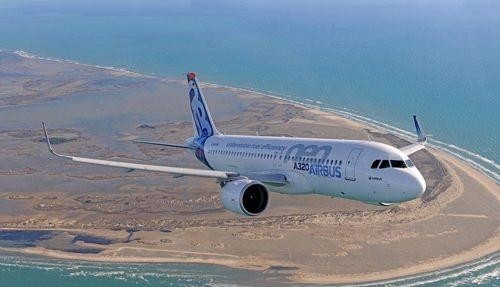
Airbus grounds thousands of A320-family jets after a solar-radiation vulnerability emerges, triggering global delays while airlines race to install software fixes and replace older onboard computers.
Air travel across several continents has faced fresh disruption after Airbus grounded thousands of aircraft amid concerns that intense solar radiation could interfere with onboard flight-control computers. The European manufacturer confirmed that roughly 6,000 A320-family jets — nearly half of its global fleet — have been flagged for urgent checks and updates, prompting delays from London to Los Angeles.
The fault emerged during an investigation into a dramatic incident in October, when a JetBlue Airways flight travelling between the United States and Mexico suddenly lost altitude and was forced to make an emergency landing in Florida. Airbus said the probe revealed a vulnerability in systems that could be triggered by high levels of solar radiation, a phenomenon that has intensified during recent solar-cycle activity. At least 15 passengers were injured in the JetBlue incident.
The company said the issue affects its flagship A320 as well as the A318, A319 and A321 models, which dominate short- and medium-haul routes worldwide. Airbus has stressed that the majority of affected planes – around 5,100 – can be cleared to fly after a relatively quick software update, normally completed in about three hours. However, approximately 900 older aircraft require full replacement of onboard computers, meaning they will remain grounded until parts are available.
Airbus said it recognised that the finding would cause “operational disruption to passengers and customers” and issued an apology.
Despite the scale of the grounding, the impact in the United Kingdom has so far remained modest. The Civil Aviation Authority warned of “some disruption and cancellations to flights”, but major airports reported only limited problems. Gatwick confirmed “some disruption”, while Heathrow said it had not recorded any cancellations linked to the issue.
Airlines have reported varying levels of impact. British Airways is understood to be largely unaffected, while Wizz Air and Air India said they have already begun updating their fleets. EasyJet initially warned of expected disruption before later confirming it had completed many of the required software patches and anticipated a normal schedule from Saturday.
In the United States, the discovery emerged over the busy Thanksgiving weekend, complicating what is traditionally one of the country’s heaviest travel periods. American Airlines reported that 340 of its aircraft were affected and said it expected “some operational delays”, though most updates were due to be completed by Friday or Saturday. Delta Airlines said it believed the effect on its services would be “limited”.
Australia has seen some of the most significant fallout, with budget carrier Jetstar cancelling 90 flights after confirming that around a third of its fleet needed immediate attention.
While aviation regulators say passenger safety has not been compromised, the episode has raised fresh questions about how modern airliners cope with increasingly volatile space-weather conditions. Airbus said it had acted swiftly to identify the fault and deploy fixes, with updates continuing around the clock.