UAE’s November events—from ADIPEC to the Sharjah Book Fair and Dubai Airshow—highlight the nation’s growing global influence, blending economic ambition, culture, and technological innovation, writes Aravind Rajeev
November 2025 marked a pivotal month for the United Arab Emirates on the global stage. Across energy, culture, and aerospace, the country hosted major international events, including ADIPEC, the Sharjah Book Fair, and the Dubai Airshow.
While these forums might seem distinct in focus, together they tell a story of a nation asserting its influence, blending economic ambition with cultural diplomacy, and positioning itself as a central hub in an increasingly multipolar world.
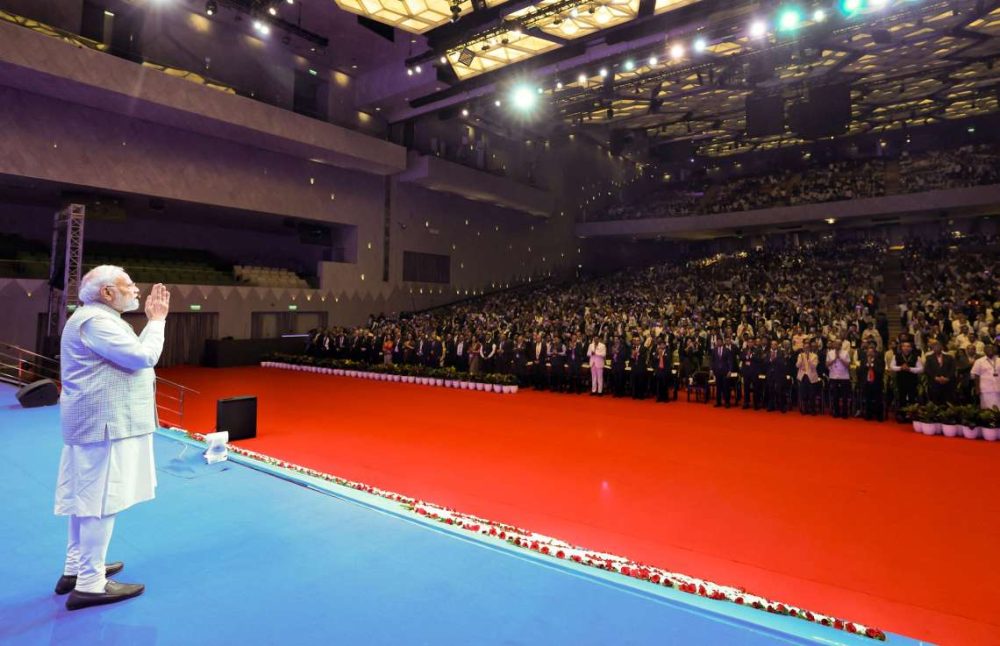
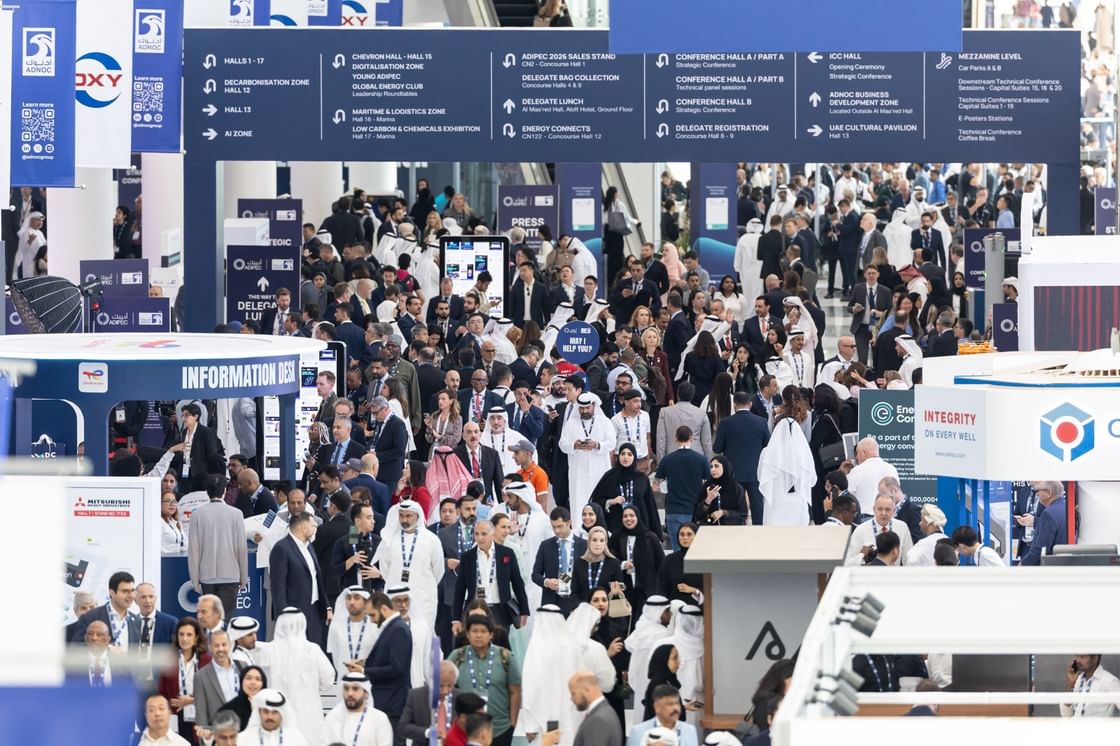
ADIPEC, the flagship energy forum, underscored the UAE’s strategic role in global energy markets. In a time of heightened energy transition discussions and volatility, the forum offered a platform for policymakers, corporate leaders, and innovators to exchange ideas on the future of oil, gas, and renewables.
It also demonstrated how the UAE balances its economic dependence on hydrocarbons with its ambitions to lead in clean energy and technological innovation, a balancing act that many nations will watch closely.
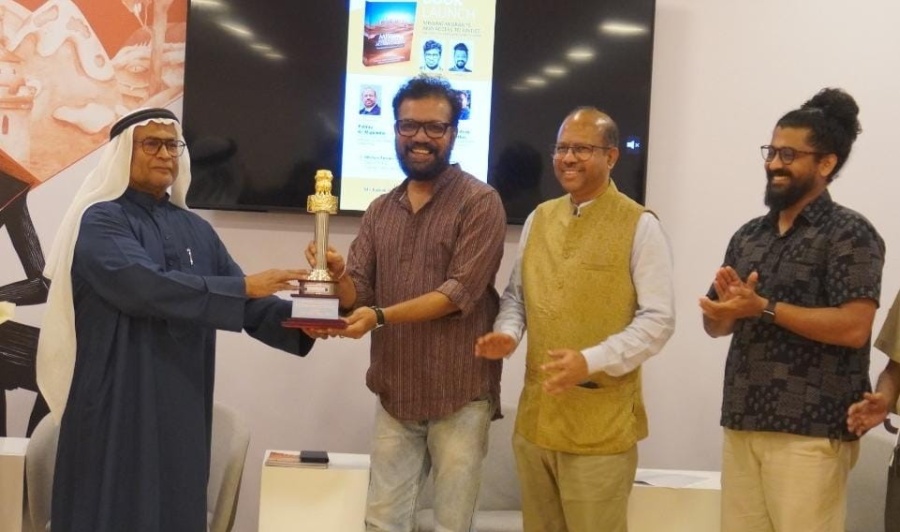
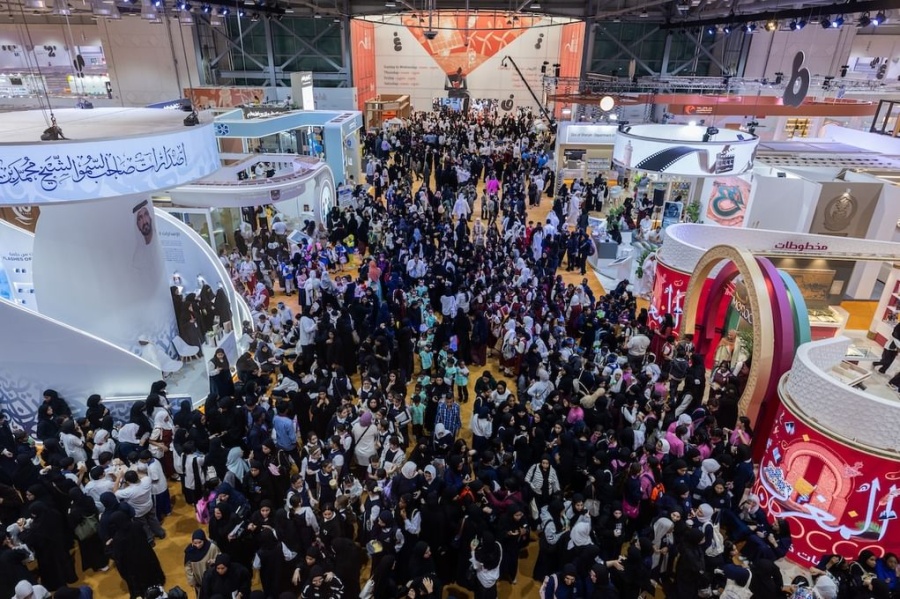
Meanwhile, the Sharjah Book Fair reminded the world that culture remains a cornerstone of influence. Beyond commerce and literary celebration, such cultural forums communicate values, identity, and vision.

They strengthen the country’s soft power by connecting with audiences far beyond the Middle East, fostering understanding and collaboration through ideas, dialogue, and creative expression.
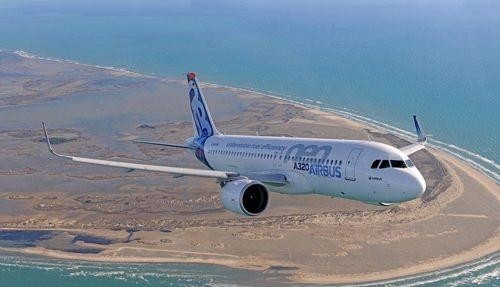
The Dubai Airshow, a global magnet for aerospace and defence industries, showcased another facet of the UAE’s strategy, that is high-tech positioning.
From commercial aviation to cutting-edge aerospace technologies, the airshow highlighted the country’s ambition to become a regional and international hub for innovation and technical expertise.
It signals to investors, innovators, and policymakers alike that the UAE is not just a participant in global industries but a platform-shaper.

Taken together, these events reveal a deliberate and sophisticated approach. The UAE is not relying solely on economic strength, it is leveraging culture, technology, and knowledge as instruments of influence.
In a world where geopolitical competition is intensifying, this integrated approach allows the UAE to amplify its voice, attract partnerships, and create networks of collaboration that extend far beyond traditional diplomacy.