Karachi’s prolonged transport strike disrupts port operations and industry, prompting urgent calls for dialogue, regulatory review and swift government action to restore supply chains and economic stability…reports Asian Lite News
Economic activity in Pakistan’s largest port city is facing mounting pressure as a cargo transporters’ strike entered its ninth consecutive day, prompting strong appeals from business leaders for urgent government intervention to prevent widespread industrial shutdowns and supply chain breakdowns.
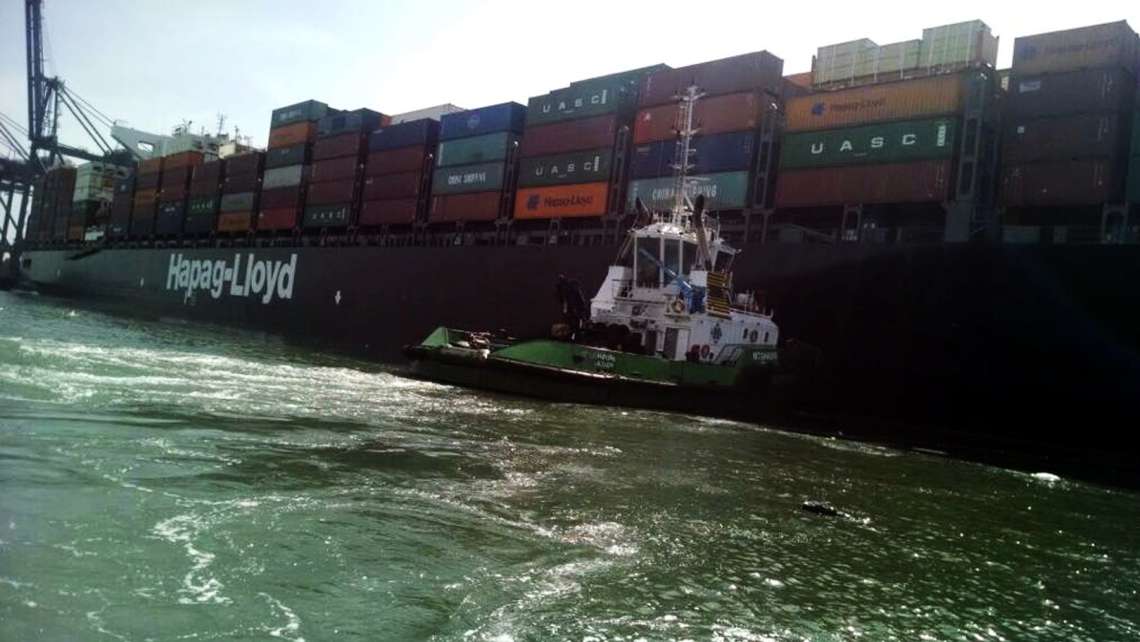
According to Dawn, representatives of major business and industry bodies have warned that the prolonged strike is choking movement in and out of Karachi port, threatening production across Sindh and beyond. With trucks unable to transport raw materials or finished goods, manufacturers say the situation has reached a critical point, with several factories already forced to halt operations and others preparing to shut down in the coming days.
In a letter to Sindh Chief Minister, Overseas Investors Chambers of Commerce and Industry Secretary General Abdul Aleem described the situation as deeply troubling for Pakistan’s economy. He said the issue had been raised earlier this month with the chief secretaries of both Punjab and Sindh, resulting in some easing of movement in Punjab. However, he noted that conditions in Sindh and at Karachi port remain severely disrupted, affecting both inbound and outbound cargo.
Aleem said several OICCI member companies have reported that trucks from Punjab are still unable to access Karachi, leaving port operations heavily constrained. As a result, major manufacturing facilities face the immediate risk of closure. One member, he said, had already stopped production, while others were preparing to suspend operations within days due to shortages of essential inputs.
Business leaders also warned that large quantities of raw materials and finished goods remain stranded on highways and at port terminals, compounding losses and increasing the risk of demurrage and detention charges. The inability to move imported consignments, they said, is adding to financial stress at a time when industry is already grappling with high costs and weak demand.
The Pakistan Vanaspati Manufacturers Association has flagged serious disruptions in the supply of edible oil, ghee and other essential consumer goods. Chairman Sheikh Umer Rehan said the halt in raw material transport threatens the continuity of production processes, warning that even a short-term stoppage can have cascading effects across the economy. He added that imported goods are no longer being delivered from ports, increasing the likelihood of shortages and price pressures in domestic markets.
Concerns have also been raised by the Pakistan Association of Large Steel Producers, which described the strike’s impact on industrial production and logistics as devastating. General Secretary Wajid Bukhari warned that if disruptions persist, companies may be forced to cut wages or lay off workers, inflicting long-term damage on Pakistan’s industrial base and international credibility as a manufacturing and trading partner.
Industry representatives have called on both federal and provincial authorities to immediately engage with transport unions and seek a negotiated solution. They have urged a review of the Motor Vehicle Ordinance 2025, arguing that while road safety is a legitimate objective, enforcement measures should not cripple industrial activity or paralyse national logistics.
The transporters’ strike was triggered by the enforcement of the Motor Vehicle Ordinance on December 8. The new rules introduced higher fines, stricter penalties, vehicle seizures and the registration of FIRs against drivers and transport operators. Transport unions argue that the ordinance was implemented without adequate consultation and has made routine transport operations financially unviable.
Transport leaders maintain that the measures disproportionately target drivers and small operators while failing to address broader structural issues such as poor road infrastructure and inconsistent enforcement. They have warned that unless the contentious provisions are withdrawn or substantially amended, transport services for both goods and passengers will remain suspended.
Adding to the pressure, major transport groups including the All Pakistan Transport Federation have announced a nationwide wheel-jam strike from December 19, citing dissatisfaction with assurances given so far by the authorities. Such a move, business leaders warn, could widen the disruption far beyond Karachi, affecting supply chains across the country.
Despite the escalating tensions, industry bodies have emphasised that the crisis is still resolvable through dialogue. They have urged the Sindh government to take a lead role in facilitating talks between regulators and transport unions, balancing road safety objectives with economic realities.
Business leaders say a swift, negotiated settlement would help restore confidence, reopen supply routes and prevent further damage to production, employment and exports. As the strike drags on, they argue, the priority must be to keep Pakistan’s economic arteries moving while working towards reforms that are fair, consultative and sustainable.