Iran reinforces regional partnerships and economic diplomacy while tightening security oversight, enforcing maritime law and signalling conditional openness to dialogue amid ongoing regional and global challenges….reports Asian Lite News
Iran has reaffirmed its commitment to strengthening regional partnerships while maintaining heightened security vigilance, as senior government officials outlined Tehran’s economic priorities, diplomatic outreach and approach to ongoing regional and international challenges.
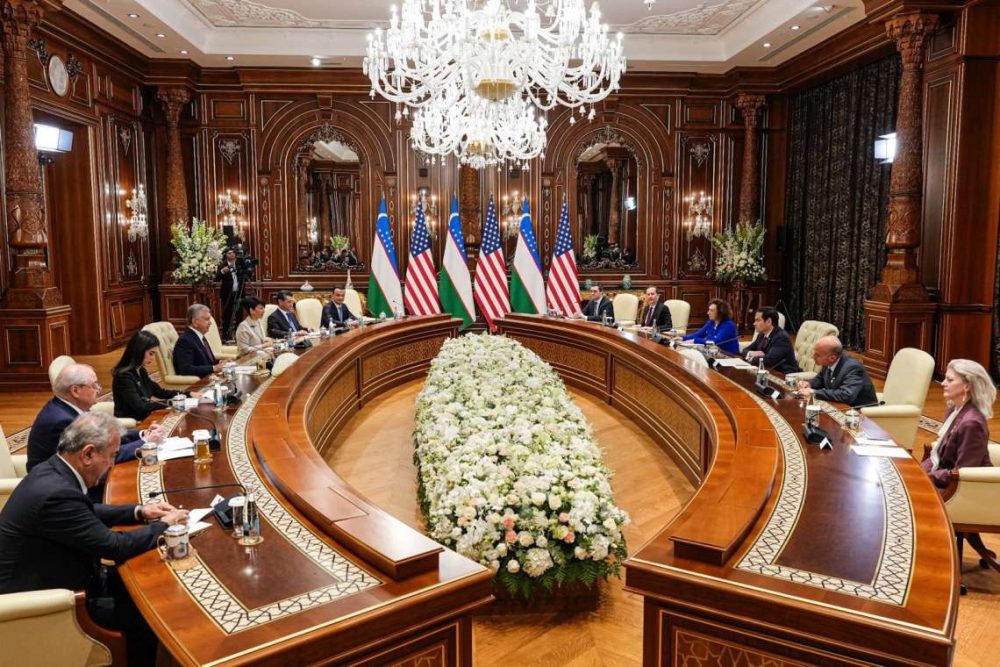
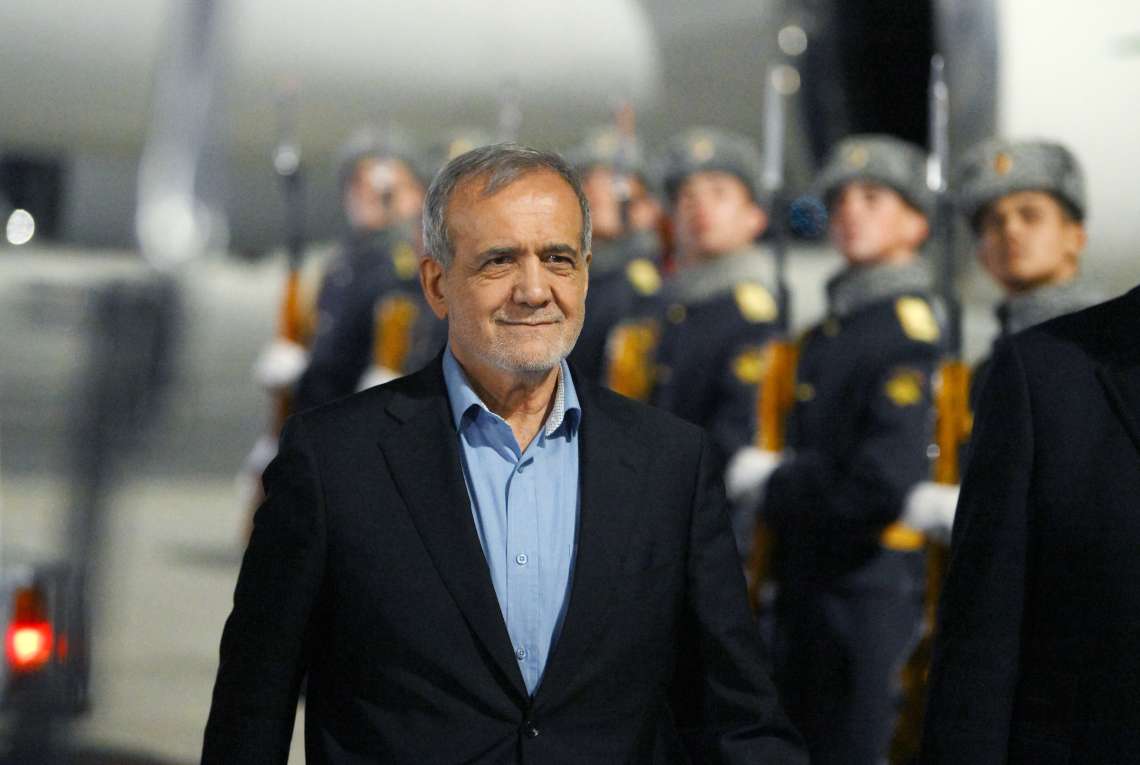
Speaking at a press conference in the central Iranian city of Shazand, government spokesperson Fatemeh Mohajerani said the administration is pursuing a dual-track strategy focused on economic diplomacy and national security. Her remarks followed President Masoud Pezeshkian’s recent visits to Kazakhstan and Turkmenistan, which she described as significant milestones in Iran’s efforts to deepen cooperation with neighbouring and regional partners.
Mohajerani said a total of 14 cooperation agreements were signed during the two visits, covering a broad range of economic and trade-related sectors. These agreements, she noted, are designed to expand commercial ties, facilitate investment and strengthen regional connectivity. Emphasising the government’s economic approach, she underlined the central role of the private sector, saying the administration is committed to creating an enabling environment that allows businesses to grow and compete.
According to Mohajerani, the government is actively working to dismantle structural and administrative barriers that have historically constrained private enterprise. She expressed confidence that economic activity generated through the new agreements would gain momentum in the coming months, supporting sustainable growth and job creation. Regional economic engagement, she said, remains a cornerstone of Iran’s broader development strategy.
Alongside economic diplomacy, Mohajerani addressed regional security concerns, acknowledging what she described as persistent threats from hostile forces, particularly in light of tensions near Lebanon. She stressed, however, that while Iran remains fully vigilant and prepared for different scenarios, such pressures should not be allowed to disrupt daily life or derail economic progress.
She warned that adversaries aim to keep Iran in a constant state of tension in order to undermine social stability and economic confidence. Iran’s response, she said, is to combine readiness with restraint, ensuring security while allowing the country’s economic and social activities to continue uninterrupted.
Reiterating Tehran’s diplomatic posture, Mohajerani said Iran remains open to respectful and realistic negotiations with the United States, provided its strategic interests are recognised. Her remarks reflected the government’s stated aim of balancing firm security preparedness with openness to dialogue amid an increasingly complex regional environment.
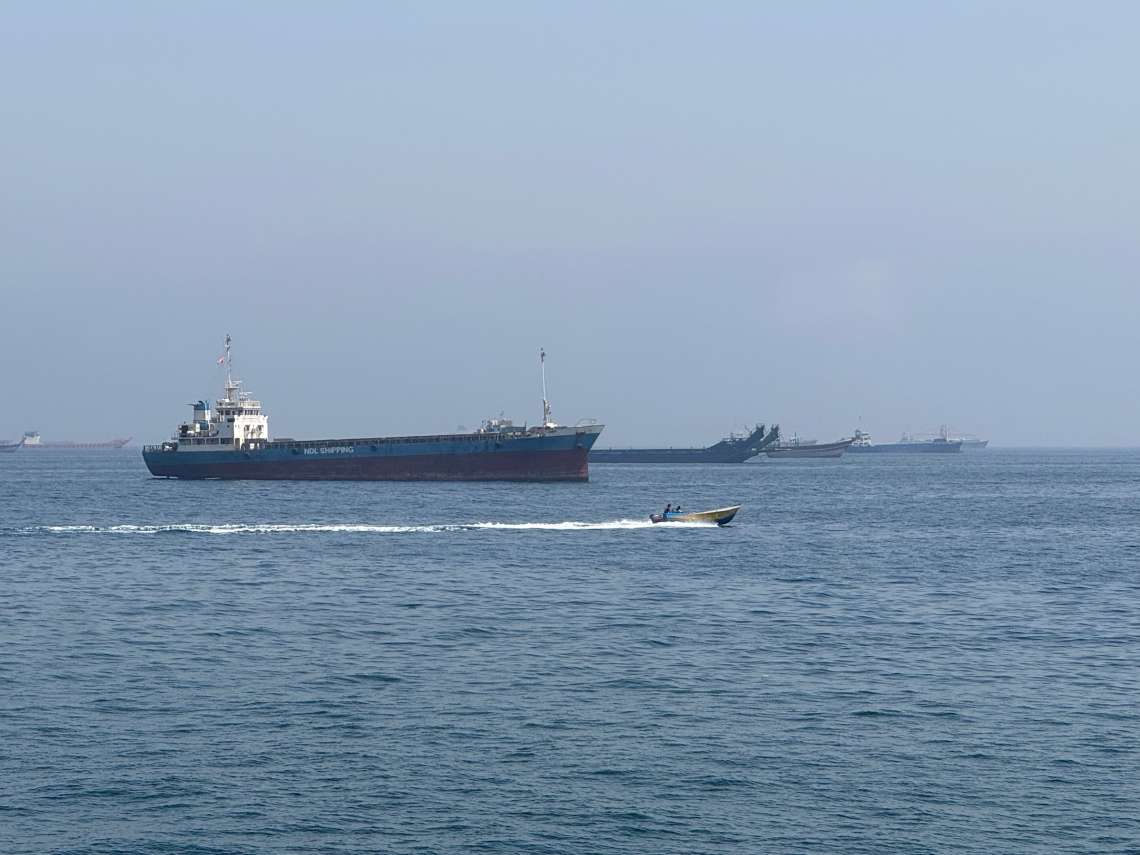
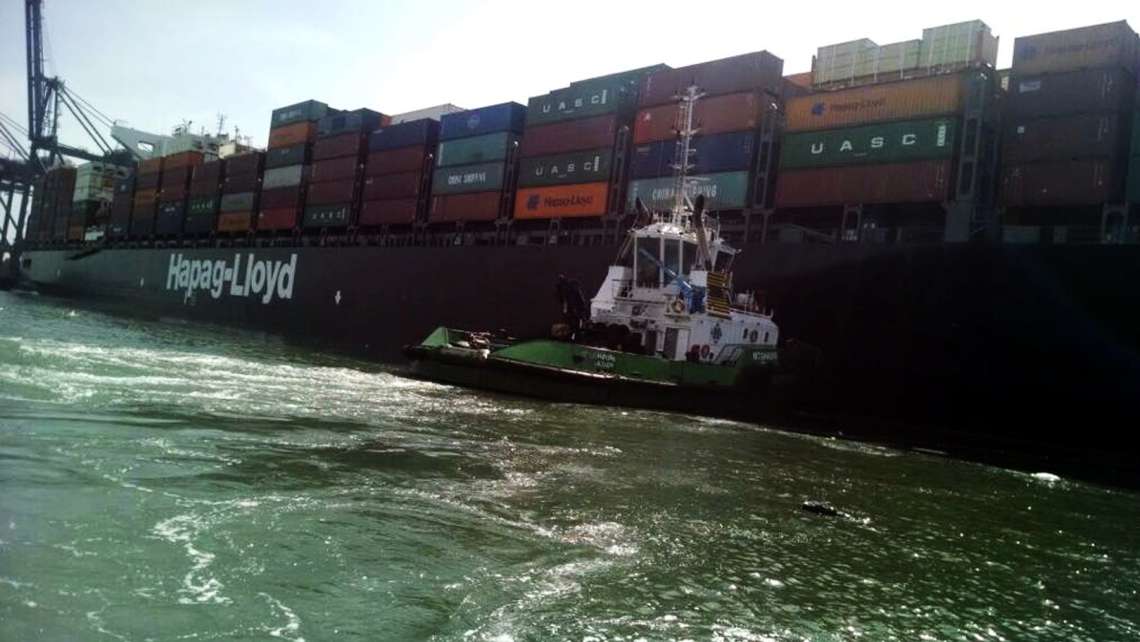
Iran’s emphasis on security enforcement was underscored days earlier with the seizure of a foreign oil tanker in the Sea of Oman on charges of large-scale fuel smuggling. Iranian authorities said the vessel was intercepted following intelligence monitoring of suspicious maritime activity near the country’s southern waters.
Hormozgan Province Chief Justice Mojtaba Qahremani said judicial officers, acting under a court warrant, inspected the foreign-flagged tanker in Iranian territorial waters near the western Jask area. The inspection revealed multiple maritime violations and deficiencies in legal documentation, leading to the confiscation of the vessel and charges related to the transport of six million litres of smuggled fuel.
Authorities said the tanker had ignored orders to stop, lacked proper navigational and cargo documents, switched off its radar systems and attempted to evade inspection. Eighteen suspects, including the captain and crew members, have been placed under judicial supervision as investigations continue. The crew comprises nationals of Sri Lanka, India and Bangladesh, according to state media reports.
Officials described the seizure as part of Iran’s broader effort to combat organised fuel smuggling networks operating along its maritime borders. State media said the operation demonstrated Iran’s determination to enforce maritime law and protect national resources.
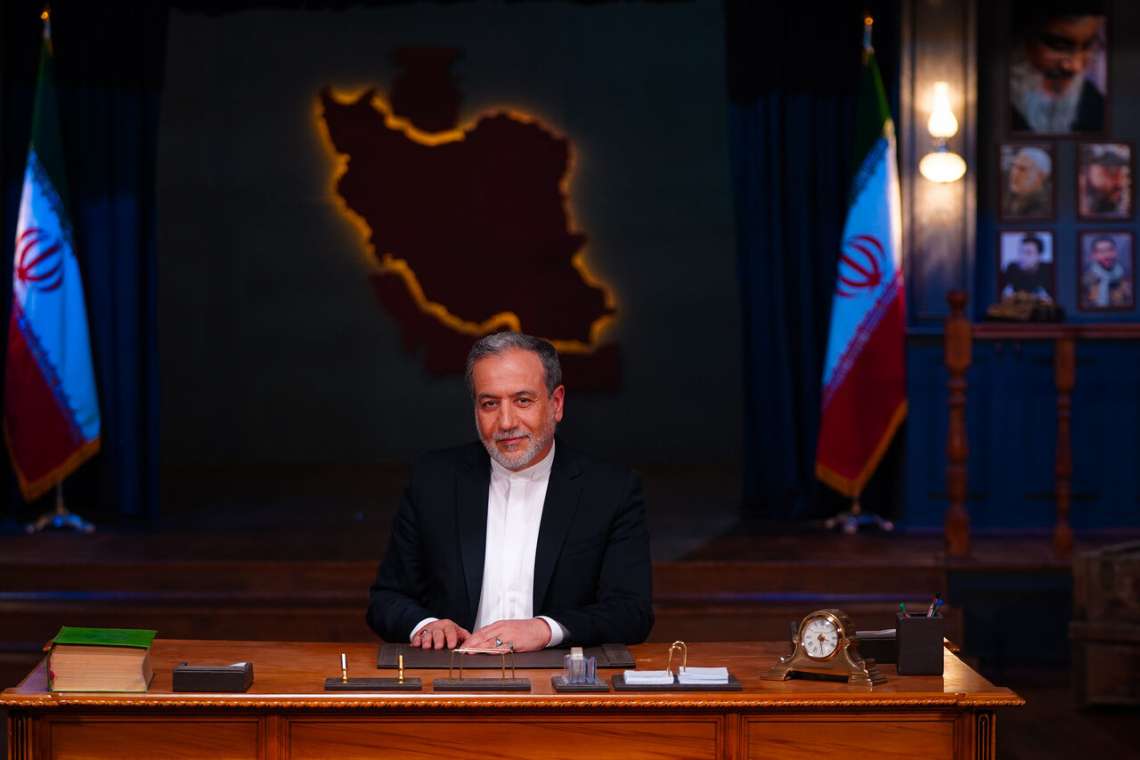
On the international front, Iran has also reiterated its commitment to peaceful nuclear energy. Earlier this month, Foreign Minister Seyed Abbas Araghchi said Tehran remains determined to pursue its civilian nuclear programme within the framework of the Nuclear Non-Proliferation Treaty.
In an interview with Japan’s Kyodo News, Araghchi said Iran, like Japan, is a committed NPT member and has the right to peaceful nuclear technology. He said recent US and Israeli airstrikes had caused serious damage to Iranian nuclear facilities, which were under International Atomic Energy Agency supervision, and described the attacks as a major violation of international law.
Araghchi expressed concern about the safety of the affected facilities and said Iran hopes to benefit from Japan’s experience in managing nuclear crises, particularly in environmental, medical and technical safety measures. He added that the resumption of nuclear talks with Washington would depend on a shift in the US approach towards what he described as fair and balanced negotiations.
Meanwhile, Iran’s Supreme Leader Ayatollah Ali Khamenei has rejected claims that Tehran sent messages to the United States through third countries, dismissing such reports as fabricated. Media reports have suggested that President Pezeshkian has conveyed Iran’s desire to avoid confrontation, strengthen regional cooperation and pursue diplomacy if its rights are guaranteed.