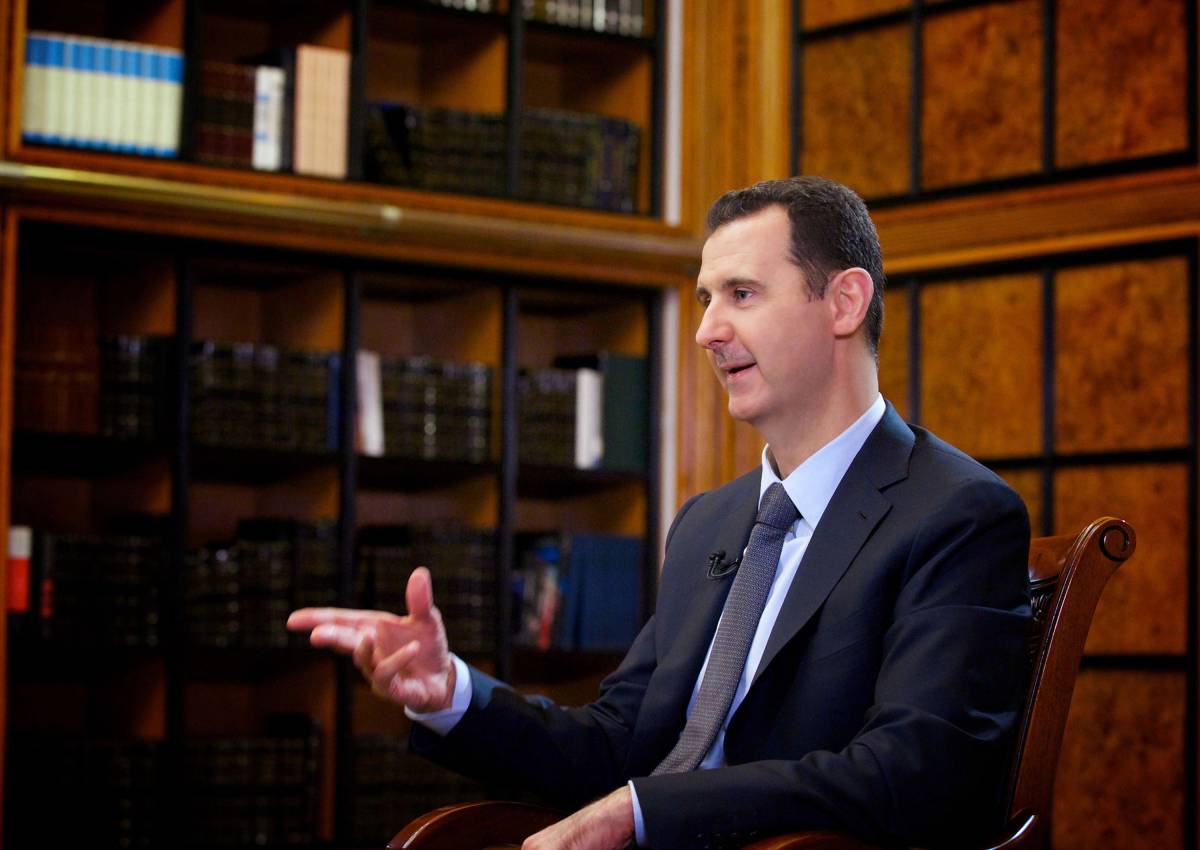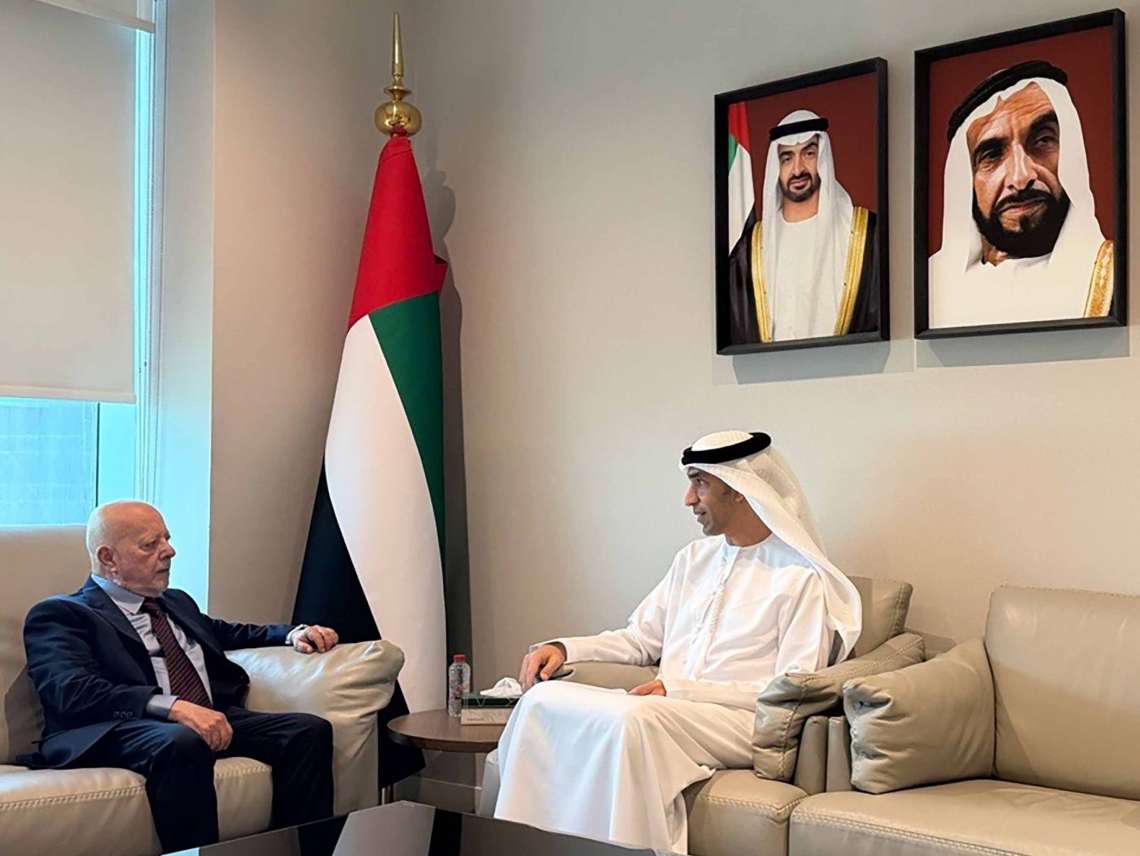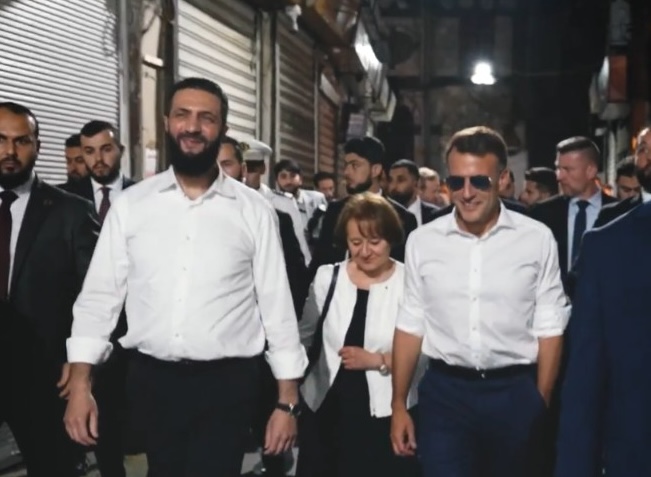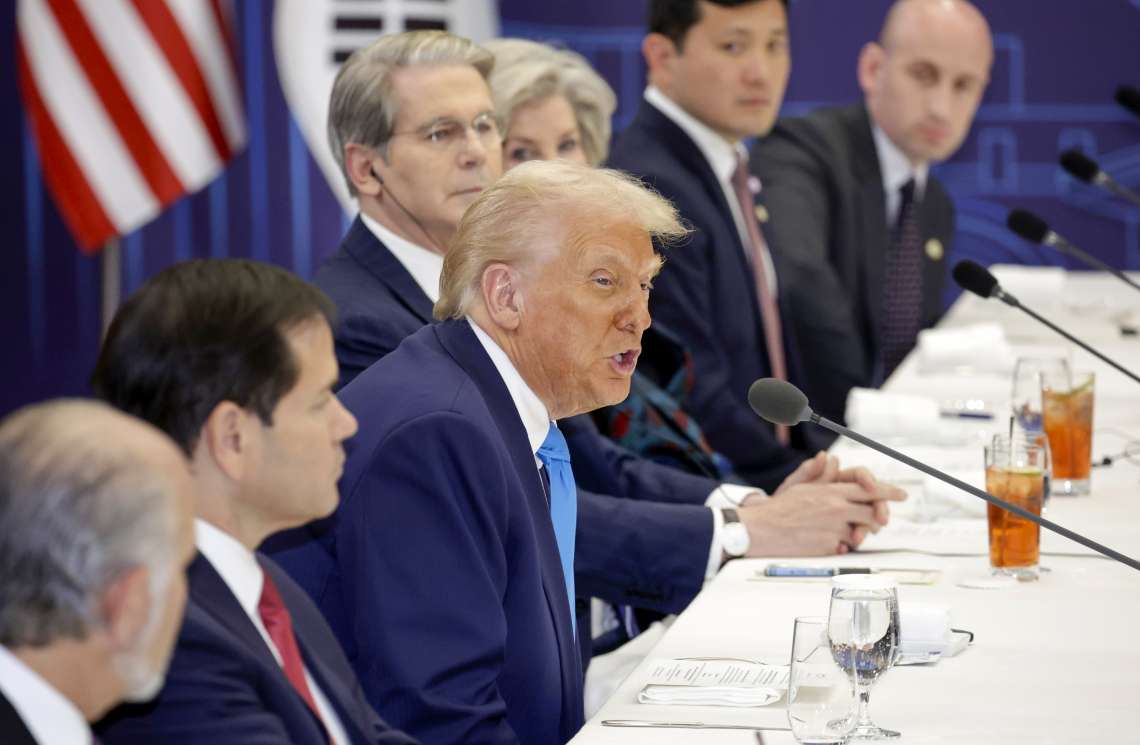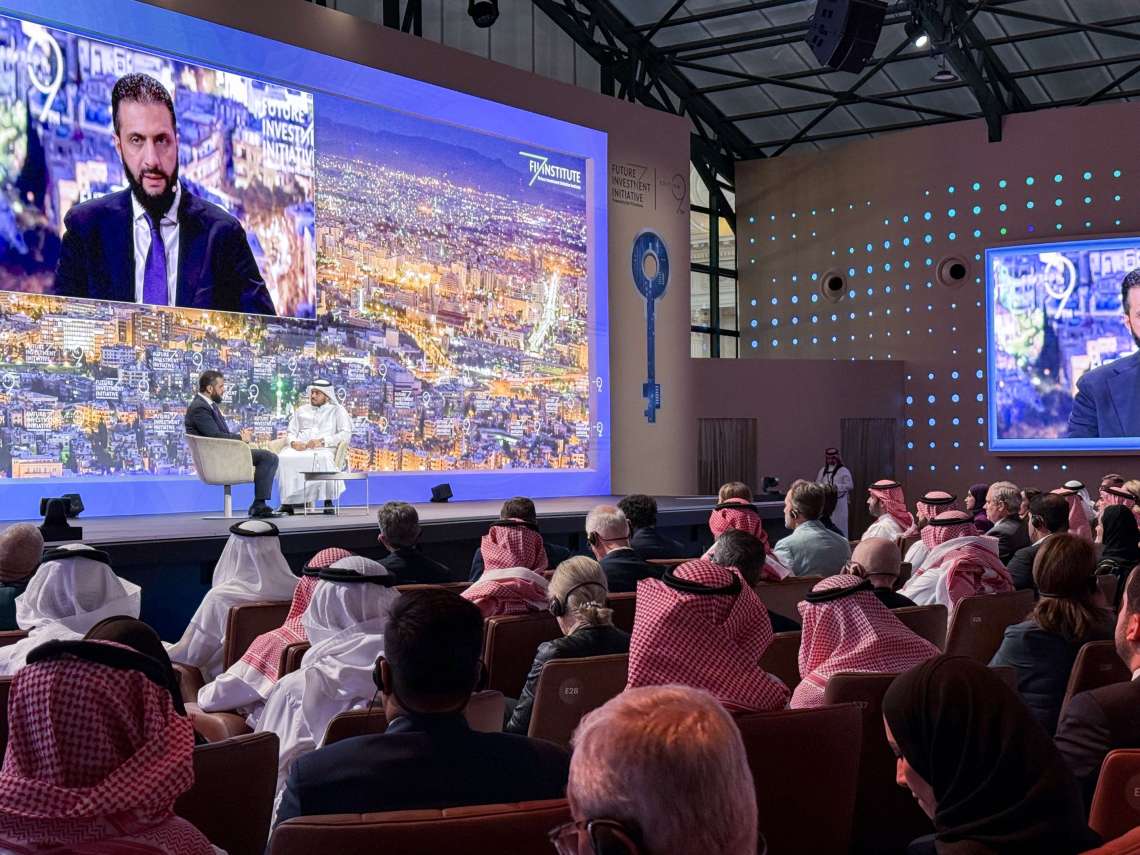
President Al-Sharaa used the stage of the Future Investment Initiative in Riyadh to declare that Syria had attracted roughly $28 billion in investments in the first half of the year, underscoring renewed confidence from regional partners — particularly the UAE, Saudi Arabia and Qatar….reports Asian Lite News
Syria is accelerating efforts to re-enter the region’s economic mainstream, unveiling billions of dollars in new Gulf-backed investments while seeking to position itself as a stabilising force and emerging commercial corridor in the Middle East.
President Ahmed Al-Sharaa used the stage of the Future Investment Initiative in Riyadh to declare that Syria had attracted roughly $28 billion in investments in the first half of the year, underscoring renewed confidence from regional partners — particularly the United Arab Emirates, Saudi Arabia and Qatar. The inflow marks Damascus’ most significant capital injection since the fall of former President Bashar al-Assad in December 2024.
The president revealed that major Saudi companies have already commenced projects valued at $7 billion, while Qatari firms have entered power-generation ventures totalling 5,000MW and begun investment at Damascus International Airport. UAE-linked investment entities are also reported to be participating in a wave of regional capital re-engagement.
Al-Sharaa framed the investment surge as the backbone of Syria’s reconstruction phase, following more than a decade of conflict. “We want to rebuild Syria via investments,” he said, adding that the country is poised to serve as a strategic “trade corridor” for the region.
He noted that Syria now enjoys “strong and constructive relations” with the UAE, Saudi Arabia, Qatar and Türkiye, emphasising that the country’s diplomatic rehabilitation is increasingly intertwined with economic reintegration. According to Al-Sharaa, recent amendments to investment laws have placed Syria “among the world’s top ten frameworks” for investor protection and facilitation — a claim aimed at signalling transparency and predictability to international capital.
National repositioning
As the political and economic landscape shifts, Damascus is also seeking to reshape its media environment. Speaking at the Arab Media Forum in Beirut, Syrian Minister of Information Dr Hamza Al-Mustafa said the country was “entering a new transitional phase toward pluralistic and professional media after decades of closure.”
Underlining the role of open and accountable media in nation-building, he said the government aims to “institutionalise the margin of freedom and turn it into a permanent gain”, arguing that responsible media must drive reconciliation, safeguard national memory and support citizenship.
“Development cannot progress without media that highlight societal issues… and contribute to stability,” Al-Mustafa said. His remarks form part of a wider narrative from Damascus: that the country is emerging from conflict not only physically, but institutionally and politically.
Saudi-Qatar support, but challenges persist
In a notable joint announcement earlier this year, Saudi Arabia and Qatar pledged $89 million in support to Syrian public-sector employees to safeguard service continuity and reinforce budgetary stability. The funding, coordinated through the United Nations Development Programme, is intended to bolster economic recovery and enhance financial sector resilience.
Saudi Arabia has additionally provided 1.65 million barrels of crude oil and signed multiple energy agreements with Damascus in August, reflecting a pragmatic shift from solely humanitarian engagement to structured development cooperation.
But challenges remain severe. The UN Office for the Coordination of Humanitarian Affairs warns that millions remain at risk without sustained donor funding. “If we don’t receive the funding, children and women will die,” OCHA’s Syria chief Joseph Inganji said, highlighting that 16.7 million people still require assistance — including 8.2 million in urgent need — and only a fraction of the $3.2 billion humanitarian appeal has been met.
Since Assad’s fall, approximately 850,000 refugees have returned, yet many face damaged infrastructure, limited services and scant livelihood opportunities. Recent unrest in Sweida has triggered fresh displacement, compounding humanitarian pressures.
Air Arabia’s Damascus return
In a symbolic milestone for civilian air links, Air Arabia Abu Dhabi launched direct flights to Damascus, welcomed with a water salute at the Syrian capital’s airport. The resumption underscores rising commercial confidence and the gradual reopening of connectivity routes.
Domestically, Syria’s post-war political transition remains uneven. Parliamentary elections, the first since regime change, were marred by low representation of women and minorities, with only 13 per cent of seats filled by these groups. Interim President Al-Sharaa acknowledged “shortcomings”, suggesting ministerial appointments may help balance representation.
With new institutions still forming and violence persisting in some regions, the government insists the process marks a “historic moment”. The president pledged a democratic transition and inclusive governance, yet sectarian tensions and governance gaps persist — reminders that reconstruction is as much political and social as it is financial.