March 21, 2025
4 mins read

Trump signs order aimed at dismantling Department of Education

Trump claimed that when Former US President Jimmy Carter created the Department of Education, it was opposed by his cabinet and the Republicans

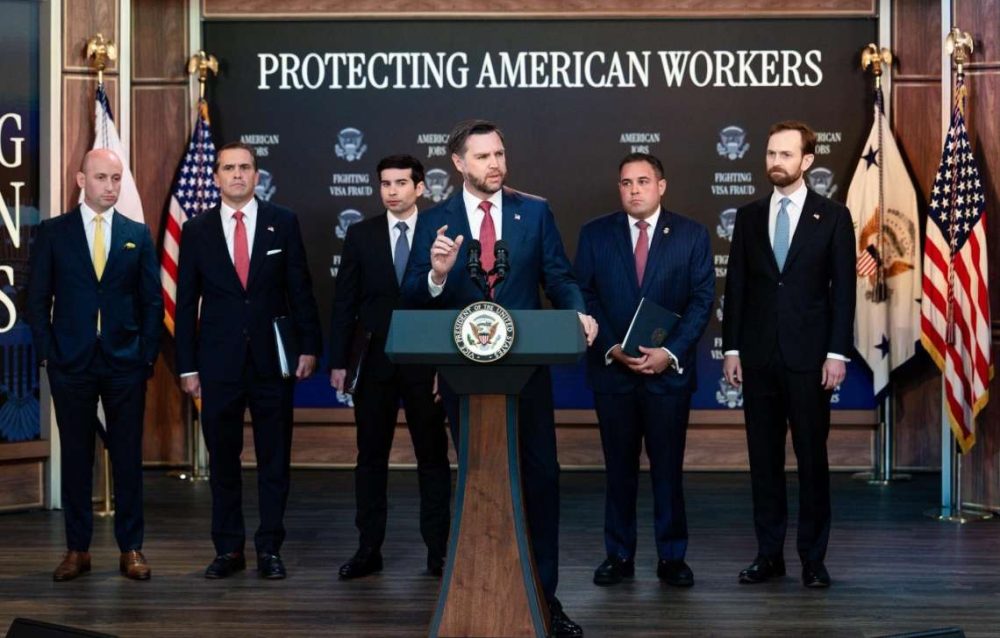
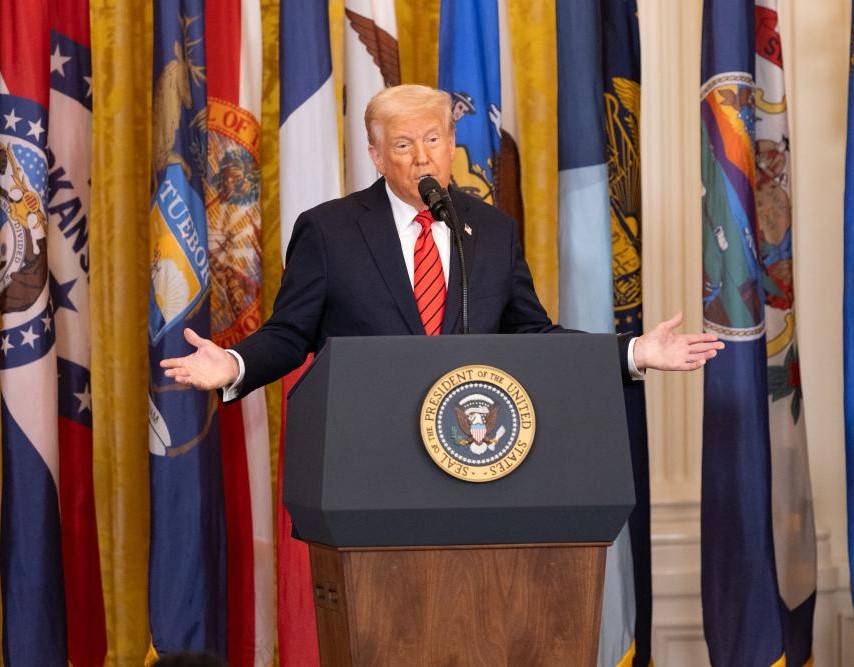
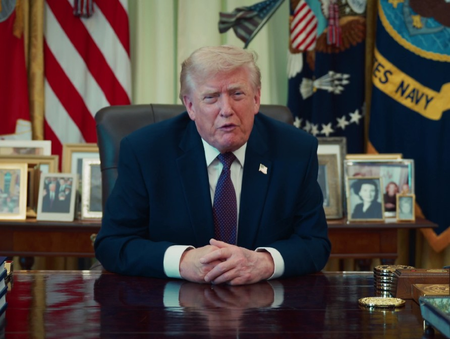
President Donald Trump on Thursday signed an executive order to begin the process of shutting down the Department of Education, stating that while essential programs like Pell Grants and Title I funding for children with disabilities would be preserved and reassigned to other agencies, the overall department had failed to improve education despite massive spending increases over the past four decades.
“Today we take a very historic action that was 45 years in the making. I will sign an executive order to begin eliminating the Federal Department of Education once in for all. Democrats know it’s right. I hope they’re going to be voting for it because ultimately it may come before them. We have to get our children educated. We’re not doing well with the education in this country and we haven’t for a long time. It’s been amazing how popular this has been- everybody says it- Republicans and Democrats have said it they’re all saying it also with us are some terrific,” he said.

Trump claimed that when Former President Jimmy Carter created the Department of Education, it was opposed by his cabinet and the Republicans. “When President Carter created the federal education department in 1979, it was opposed by members of his cabinet as well as the American Federation of Teachers the New York Times editorial board and the famed Democrat Senator Daniel Patrick Moynihan,” he said.

Trump said that historically, the opposition makes sense. As per the White House, the US Department of Education has spent USD 3 plus trillion since 1979. Since then, per-pupil spending has increased by more than 245 per cent– with virtually nothing to show for it.
White House data shows that Math and reading scores for 13-year-olds are at the lowest level in decades. Six in ten fourth graders and nearly three-quarters of eighth graders are not proficient in math. Seven in ten fourth and eighth graders are not proficient in reading, while 40 per cent of fourth-grade students don’t even meet basic reading levels. Standardized test scores have remained flat for decades. US students rank 28 out of 37 OECD member countries in math.

“History has proven them right. After 45 years the United States spends more money on education by far than any other country and spends likewise by far more money per pupil than any country and it’s not even close but yet we rank near the bottom of the list in terms of success. We are at the bottom of the list and we’ve been there for a long time. 70 per cent of eighth graders are not proficient in either reading or math. 40 per cent of fourth graders lack even basic reading skills. Our Public elementary and middle schools score worse in reading today than when the department opened by a lot,” he said.
“In Baltimore, 40% of the high schools have zero students who can do basic mathematics- not even the very simplest of mathematics. They’re talking about like adding a few numbers together,” he added.
Trump said that despite these failures, the department’s spending boomed by 600 per cent in a short while.

“Despite these breathtaking failures the Department’s discretionary budget has exploded by 600 per cent in a very short period,” he said
Trump said that he was laying off the staff by half and defunding the department. “My administration has initiated a reduction in force. We’ve cut the number of bureaucrats in half,” he said.

Trump said that the funds used to support students with disabilities and scholarships will be preserved and these duties will be provided to other institutions. “The Department’s useful functions- Pell Grants, Title One funding resources for children with disabilities and special needs will be preserved. Pell Grant is supposed to be a very good program, Title One funding and resources for children with special disabilities and special needs- are going to be preserved in full and redistributed to various other agencies and departments that will take very good care of them,” he said.

“But beyond these core necessities, my administration will take all lawful steps to shut down the department as quickly as possible- it’s doing us no good. We want to return our students to the States. We want education to come back to the States and they’re going to do a phenomenal job. It’s a commonsense thing to do and it’s going to work,” he said. He said under a new system, sans the Education Department, schools could compete with countries in Europe and China, which he said were out-competing the US.
Previous Story

Book Review: Chhath: Worshipping the Sun, Celebrating Nature by Ekisha Singh

Next Story

Trump to sign rare earth mineral deal with Ukraine

Previous Story

Book Review: Chhath: Worshipping the Sun, Celebrating Nature by Ekisha Singh

Next Story

Trump to sign rare earth mineral deal with Ukraine

Latest from -Top News

Pakistan Risks Overstretching Itself in Yemen War

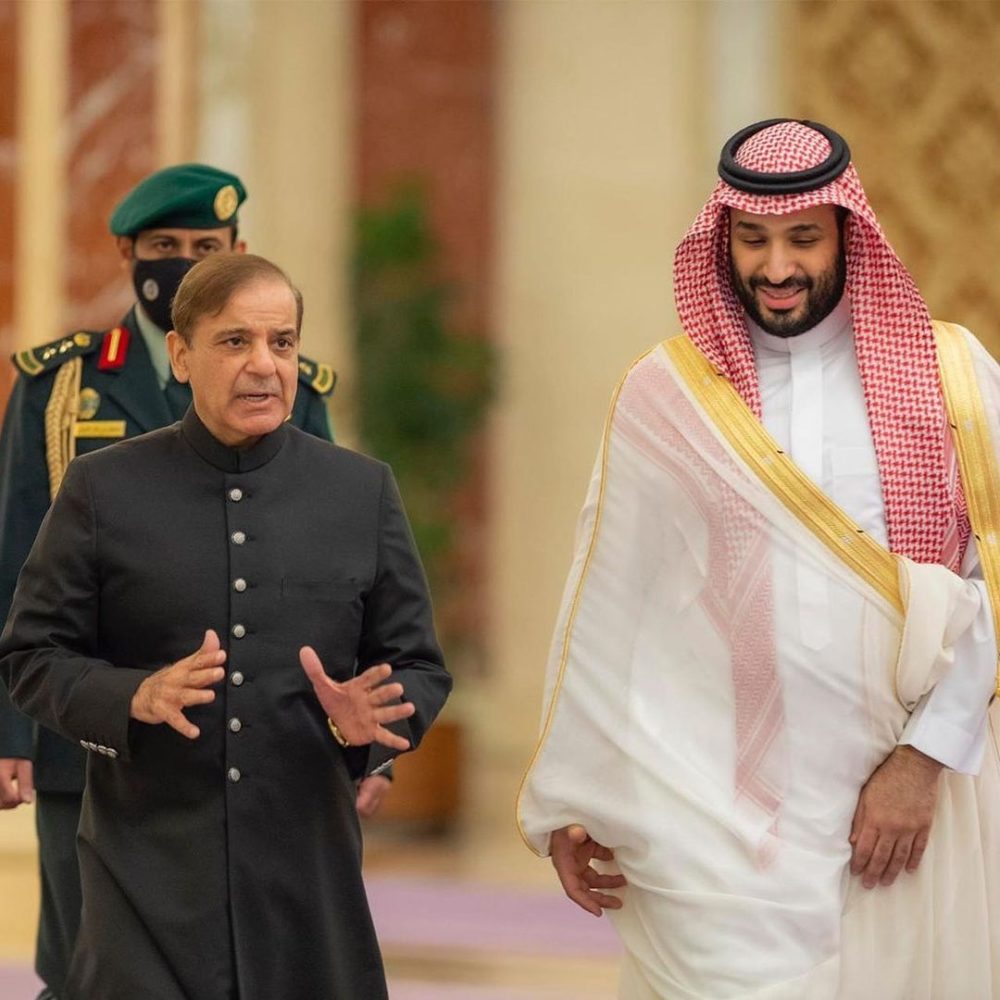
Pakistan’s expanding military role in Saudi Arabia amid the Yemen conflict could strain its defence resources and fragile finances…reports Asian Lite News Desk Pakistan’s military involvement in the war in Yemen may prove unsustainable because of mounting financial pressures and competing security demands, according to a new report. Islamabad’s growing military presence in Saudi Arabia risks stretching its defence resources while exposing the country to greater strategic and economic challenges. An article by Andrew Wilson in One World Outlook describes Pakistan’s involvement as a case of “fiscal and strategic overreach”, arguing that the country lacks the financial flexibility to sustain an expanded military commitment. Pakistan’s external finances depend heavily on an International Monetary Fund (IMF) programme, financial support from Gulf countries and remittances from Pakistani workers in the region. The report argues that deeper military involvement in the conflict could place additional pressure on these sources of financial stability. It also warns that deploying troops and military equipment abroad could weaken Pakistan’s capacity to address security challenges along its eastern border and deal with two domestic insurgencies. The move could also draw Islamabad into a conflict it has sought to approach cautiously. A Reuters report in May, citing Pakistani security and government sources, said Islamabad had deployed around 8,000 troops, a squadron of approximately 16 aircraft, mostly JF-17 fighter jets, two drone squadrons and a Chinese HQ-9 air-defence battery to Saudi Arabia. According to those sources, Riyadh was financing the deployment, with Pakistani personnel operating the equipment. The sources also said a confidential agreement contemplated the possibility of deploying up to 80,000 troops. Islamabad has not confirmed those figures, although it has acknowledged its military presence in Saudi Arabia, including the deployment of fighter jets at King Abdulaziz Air Base from April. The One World Outlook article argues that Saudi financial support can cover allowances and operating expenses but cannot easily replace military equipment needed elsewhere or resolve the political and strategic challenges of participating in the Yemen conflict. Pakistan’s defence budget is another concern. For the 2026-27 financial year, the federal government allocated PKR 3 trillion, or approximately $10.8 billion, to defence services. The allocation represents an 18 per cent increase from the original PKR 2.55 trillion provision and amounts to around 2.1 per cent of projected gross domestic product (GDP). Defence spending accounts for approximately 16 per cent of the federal government’s PKR 18.8 trillion expenditure. Military pensions are budgeted separately at PKR 822 billion, while debt servicing costs stand at approximately PKR 8 trillion, more than two-and-a-half times the defence allocation. The report argues that these competing financial obligations leave little room for additional military expenditure without placing further pressure on public finances. Pakistan’s reliance on IMF assistance also limits its fiscal flexibility. The country must meet the conditions attached to the programme, including a primary budget surplus target of 2 per cent of GDP and continued restraint on development spending. According to the article, these requirements make it difficult for Islamabad to finance an additional military commitment without compromising other budgetary priorities. Pakistan’s economic indicators offer limited reassurance. Economic growth for the 2025-26 financial year is estimated at between 3.6 and 3.7 per cent, while inflation reached approximately 10.3 per cent in September following an energy price shock. Foreign exchange reserves stood at around $21.5 billion at the end of September. Although this marks an improvement from the low levels recorded in 2023, the report notes that the reserves cover only a few months of imports. Financial assistance from Gulf partners remains central to Pakistan’s external stability. The article says Islamabad holds approximately $8 billion in Saudi deposits at its central bank. In July, the State Bank of Pakistan said Riyadh had extended the maturity of $5 billion in deposits to December 2028, easing the country’s immediate external financing requirements. A further $3 billion deposit was also extended in the spring. However, the article argues that these arrangements provide temporary relief rather than long-term financial independence, particularly as regional conflict threatens the stability of the Gulf economies on which Pakistan relies. The report concludes that Pakistan faces a difficult balance between supporting Saudi Arabia militarily and preserving the financial and military resources needed to address its domestic and regional challenges.

UK and Germany Ratify Kensington Treaty

Britain and Germany ratify the Kensington Treaty, agreeing new cooperation on AI, quantum research, defence and security while targeting investment, jobs and Russian hybrid threats…reports Asian Lite News Desk Britain and Germany

Economic tide is turning in Bangladesh

If there is one thing that can bring some comfort to the struggling Bangladeshi economy, it is good relations with India. Bangladesh should remember that Delhi’s backing, through easy supplies of essentials
Go toTop

Don't Miss

Trump Arrested and Released on Bail in Georgia Racketeering Case

The first case was in New York and he is

Justice Dept opposes request to unseal Trump search affidavit

Trump’s Republican allies in recent days have ramped up their