Top African business and philanthropy leaders meet UAE officials for high-level talks to advance investment, innovation and community development, reinforcing a rapidly expanding UAE–Africa strategic partnership….reports Asian Lite News
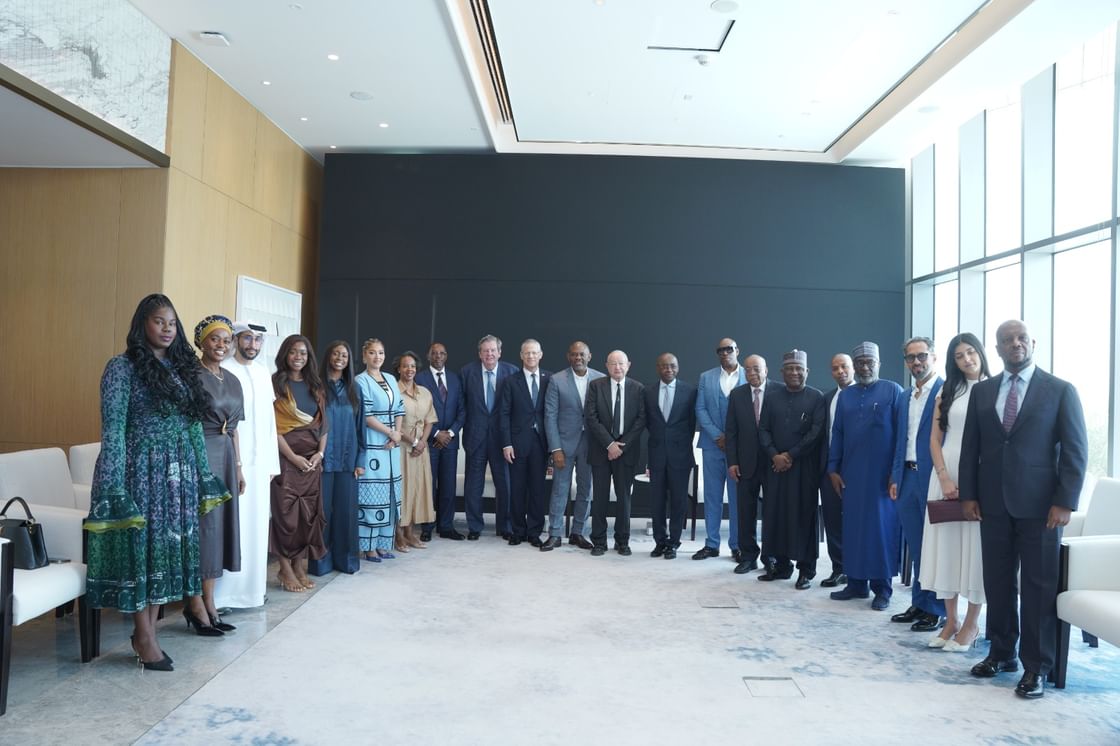
Against a backdrop of rapidly expanding economic ties and surging investment flows between the UAE and the African continent, an influential delegation of Africa’s leading business and philanthropic figures convened in the Emirates this week for a wide-ranging programme aimed at accelerating cooperation across trade, investment, technology, culture, and community development.
The group, comprising 13 of the most prominent economic and philanthropic leaders from Nigeria, Kenya, South Africa, Tanzania, Egypt, Sudan and Zimbabwe, represented sectors that anchor national economies: energy, digital infrastructure, logistics, food systems, transport, and agriculture. Collectively, they helm companies and foundations that employ hundreds of thousands, shape national GDP trajectories, and drive major community-based programmes across the continent. Their presence in the UAE generated a strong focus on charting practical, scalable pathways for long-term co-investment and collaboration.
High-level talks signal strong ambitions
At the centre of the visit was a UAE–Africa roundtable attended by senior officials from multiple ministries and national entities. Discussions centred on long-term investment horizons, evolving regulatory frameworks, and opportunities to expand partnerships across priority sectors including renewable energy, digital transformation, food security, transport infrastructure, and industrial growth. Delegates emphasised the need for coordinated policy alignment to unlock new investment flows and reinforce the UAE’s role as a strategic partner to fast-growing African economies.
In Abu Dhabi, the delegation held meetings with senior UAE leadership focused on deepening diplomatic, commercial, and philanthropic ties. These engagements underscored shared priorities such as youth empowerment, advanced education, AI-driven innovation, cultural cooperation and enhanced access to quality healthcare. Officials on both sides expressed a commitment to building long-term frameworks that support stability, sustainable growth and inclusive economic development.
Cultural and creative collaboration
Beyond formal economic and diplomatic discussions, the delegation visited Al Shindagha Museum, where they explored avenues for joint work in cultural preservation, creative industries, heritage programming, and community development initiatives. UAE officials highlighted the country’s growing investment in creative sectors and its interest in working with African partners to scale cultural exchanges and innovation.
The visit also formed part of the UAE Ministry of Foreign Affairs’ “Voices of Influence” series, where delegates attended a session featuring Bill Gates, Co-Founder of Microsoft and Chair of the Gates Foundation. The session addressed global development challenges and highlighted the transformative potential of philanthropy backed by technology, research and strong public-private partnerships.
Investments and AI-led initiatives
The engagements took place at a time of significant momentum in UAE–Africa relations. The UAE has emerged as one of Africa’s most active foreign state investors, deploying over USD 110 billion between 2019 and 2023, including more than USD 70 billion directed specifically at renewable energy and green infrastructure.
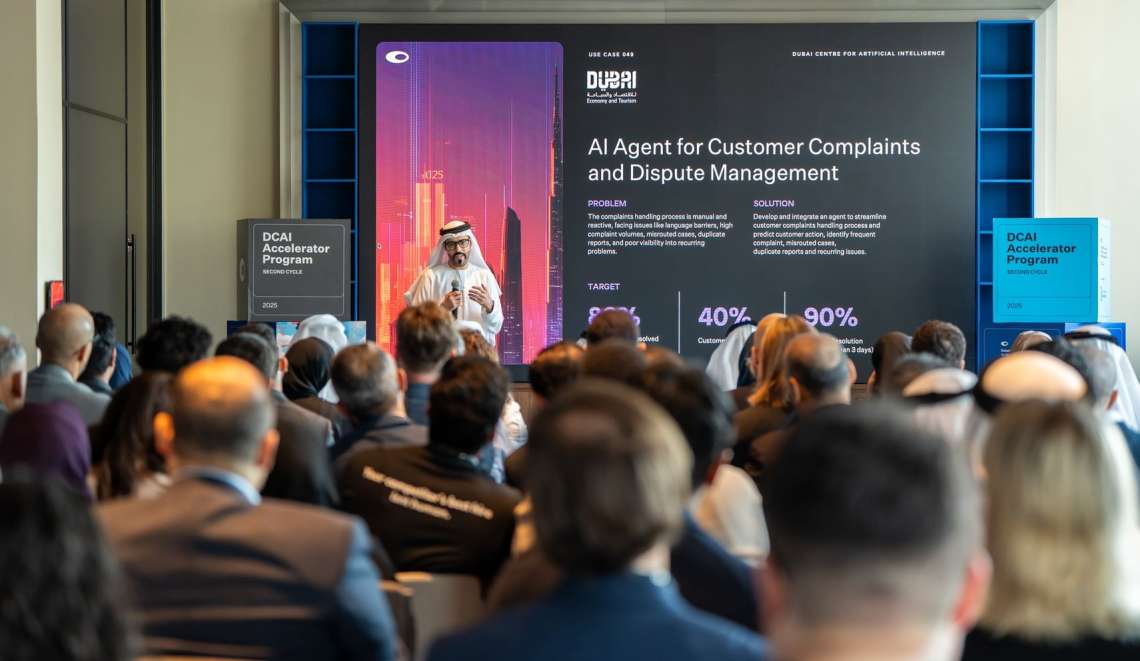
At the recent G20 Summit in South Africa, the UAE unveiled a USD 1 billion “AI for Development” initiative, designed to support artificial intelligence projects that advance education systems, enhance agricultural productivity, strengthen digital infrastructure, and modernise public services across African nations. Delegates welcomed the initiative as a catalyst for affordable, scalable technology solutions, particularly in rural and underserved communities.
A major dimension of the visit was its strong emphasis on philanthropy as a driver of inclusive and sustainable development. Delegates highlighted the importance of community-based programming in areas such as youth empowerment, education, public health, and resilience building. Philanthropic capital, they argued, plays a catalytic role in amplifying the developmental impact of commercial investment, especially in regions where access to essential services remains uneven.
The UAE and African leaders explored models that blend commercial partnerships with philanthropic initiatives to support long-term, community-first development. Stakeholders noted that such integrated models could help bridge service gaps, strengthen local institutions, and enhance the long-term social return on investment.
As part of the wider programme, the delegation also participated in sector-specific sessions, meetings with key UAE institutions, and strategic dialogues focused on new partnership models. These exchanges are expected to shape the next phase of bilateral and multilateral cooperation, reinforcing a vision of partnership grounded in stability, sustainable economic growth, and mutual benefit.
The prominent figures participating in the delegation include Abdul Samad Rabiu, Aliko Dangote, Dr Elizabeth Jack-Rich Tein, Humphrey Kariuki, Johann Rupert, Mohammed Dewji, Sir Mo Ibrahim, Naguib Sawiris, Patrice Motsepe, Dr Precious Moloi-Motsepe, Strive Masiyiwa, Tsitsi Masiyiwa, and Tony Elumelu—a collective representation of Africa’s most influential leaders in business, philanthropy and economic transformation.