US lifts potash sanctions as Belarus frees over 120 political prisoners in landmark deal easing Minsk’s isolation…reports Asian Lite News
The United States has announced the lifting of sanctions on Belarusian potash exports and secured the release of more than 120 political prisoners, marking a significant thaw in relations between Washington and the long-isolated Belarusian leadership.
US special envoy for Belarus John Coale confirmed the sanctions relief after holding two days of talks with President Alexander Lukashenko in the Belarusian capital Minsk on Friday and Saturday. Describing the discussions as “very productive,” Coale said Washington was seeking to normalise relations with Minsk after years of diplomatic freeze.
“Our goal is normalising relations,” Coale told journalists, according to Belarus’ state news agency Belta. “We’re lifting sanctions, releasing prisoners. We’re constantly talking to each other.” He added that ties between the two countries were moving from “baby steps to more confident steps” as dialogue deepened.
Belarus, a close ally of Russia, has faced sweeping Western sanctions and diplomatic isolation for years over its human rights record and for allowing Moscow to use its territory during Russia’s 2022 invasion of Ukraine. Lukashenko, who has ruled the country of 9.5 million people for more than three decades, is not recognised as president by the European Union following elections widely criticised as neither free nor fair.
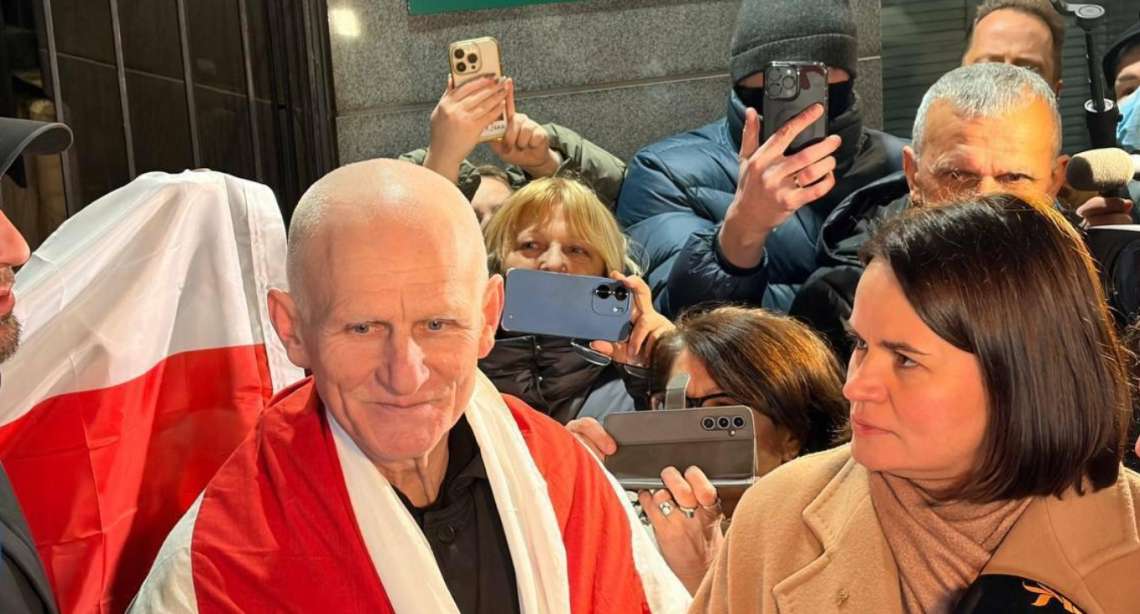
As part of the latest agreement, Belarus released 123 political prisoners, including prominent opposition figures such as Maria Kolesnikova and Nobel Peace Prize laureate Ales Bialiatski. Kolesnikova, a key face of the 2020 protest movement, had been imprisoned since that year and spent long periods in isolation.
According to Ukraine’s Coordination Headquarters for the Treatment of Prisoners of War, Kolesnikova was transferred to Ukraine along with 113 other released prisoners. Ukrainian authorities said the freed detainees would receive medical assistance before being transported onward to Poland and Lithuania.
Exiled Belarusian opposition leader Svetlana Tikhanovskaya welcomed the development, calling it the result of effective US diplomacy combined with sustained European pressure. Speaking in Vilnius, where she was waiting outside the US embassy for the arrival of freed prisoners, Tikhanovskaya expressed gratitude to Ukraine for facilitating their transfer.
“Pressure must continue until repression ends, all prisoners are free, and Belarus can begin its democratic future,” she said, noting that more than 1,100 political prisoners remain behind bars.
The easing of US sanctions focuses on potash, a key ingredient used in fertiliser production and one of Belarus’ most important exports. Analysts say lifting restrictions on potash provides significant economic relief to Minsk, even as broader sanctions remain in place.
Belarusian opposition figures have cautioned against interpreting the move as a sign of political reform. Sviatlana Tsikhanouskaya earlier told The Associated Press that sanctions relief was part of a deal aimed at securing prisoner releases, but warned that Lukashenko’s policies had not fundamentally changed.
“Let’s not be naive,” she said. “The crackdown continues, and Lukashenko keeps supporting Russia’s war against Ukraine.” She argued that while US sanctions relief could incentivise humanitarian gestures, European Union sanctions on potash remain far more painful for Minsk and should be maintained to push for long-term systemic change.
Coale said the talks also touched on broader geopolitical issues, including Venezuela and Russia’s ongoing war in Ukraine. He noted that Lukashenko had offered “good advice” on addressing the conflict, citing the Belarusian leader’s long-standing relationship with Russian President Vladimir Putin.
“Naturally, President Putin may accept some advice and not others,” Coale said.
The deal marks a diplomatic gain for Lukashenko, easing his international isolation and delivering economic benefits. However, Western governments remain cautious, viewing the engagement as transactional and closely tied to humanitarian outcomes rather than a full rehabilitation of Belarus on the global stage.