Mamdani’s team recently reached out to the White House to request talks centred on New York’s affordability crisis, signalling a potential shift in tone following months of confrontation…reports Asian Lite News
White House Press Secretary Karoline Leavitt has said that President Donald Trump is willing to “meet anyone” and attempt to do “what is right” on behalf of the American people, ahead of a scheduled Oval Office meeting between the President and New York City mayor-elect Zohran Mamdani. The meeting, set to take place at the White House on Friday, marks the first encounter between the two since a fiercely contested election characterised by pointed exchanges and sharply divergent political positions.
The White House also renewed its criticism of the incoming mayor in the run-up to the meeting, with Leavitt describing Mamdani as a “communist” during a press briefing. She told reporters, “… The President issued a statement that the Mayor-elect will be coming to the Oval Office tomorrow, so our teams are arranging those details… It speaks volumes that tomorrow we have a Communist coming to the White House, because that’s who the Democrat Party elected as the Mayor of the largest city in the country.”
Leavitt went on to claim that New York City is shifting further to the political Left than Trump had expected. “It’s very telling but it also speaks to the fact that President Trump is willing to meet with anyone and talk to anyone and try to do what’s right on behalf of the American people, whether they live in blue states or red states or blue cities and the city which is becoming much more Left than the President ever anticipated in his many years of living in New York himself,” she said.
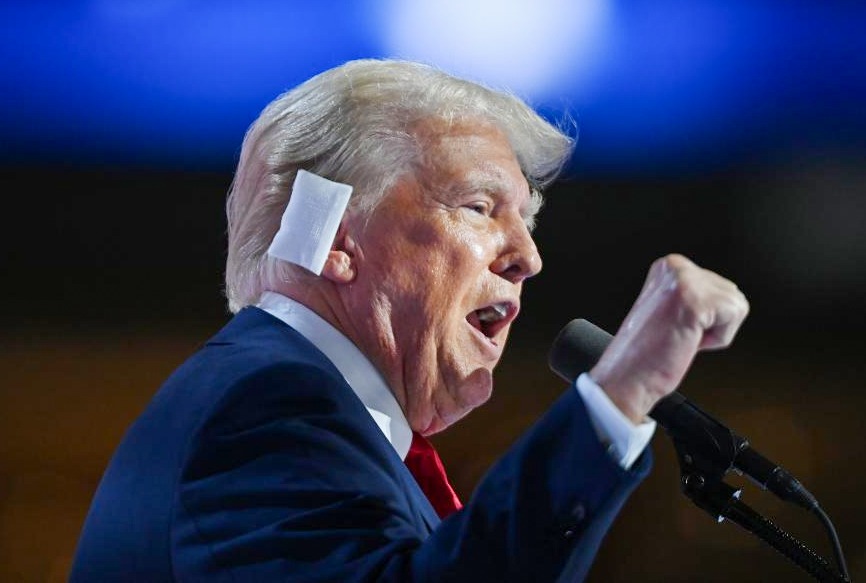
The remarks came shortly after Trump announced the planned meeting in a Truth Social post on Wednesday, writing, “Communist Mayor of New York City, Zohran ‘Kwame’ Mamdani, has asked for a meeting. We have agreed that this meeting will take place at the Oval Office on Friday, November 21st. Further details to follow!”
The announcement ended weeks of speculation about whether the incoming mayor would open formal lines of communication with the White House after a combative campaign that saw both sides accuse each other of extremism and disregard for the needs of the city.
According to The New York Times, Mamdani’s team recently reached out to the White House to request talks centred on New York’s affordability crisis, signalling a potential shift in tone following months of confrontation. The incoming mayor has said that tackling housing pressures, homelessness and rising living costs would be among his top priorities upon taking office, and his outreach to the White House appears to reflect a strategy of seeking federal cooperation despite political differences.
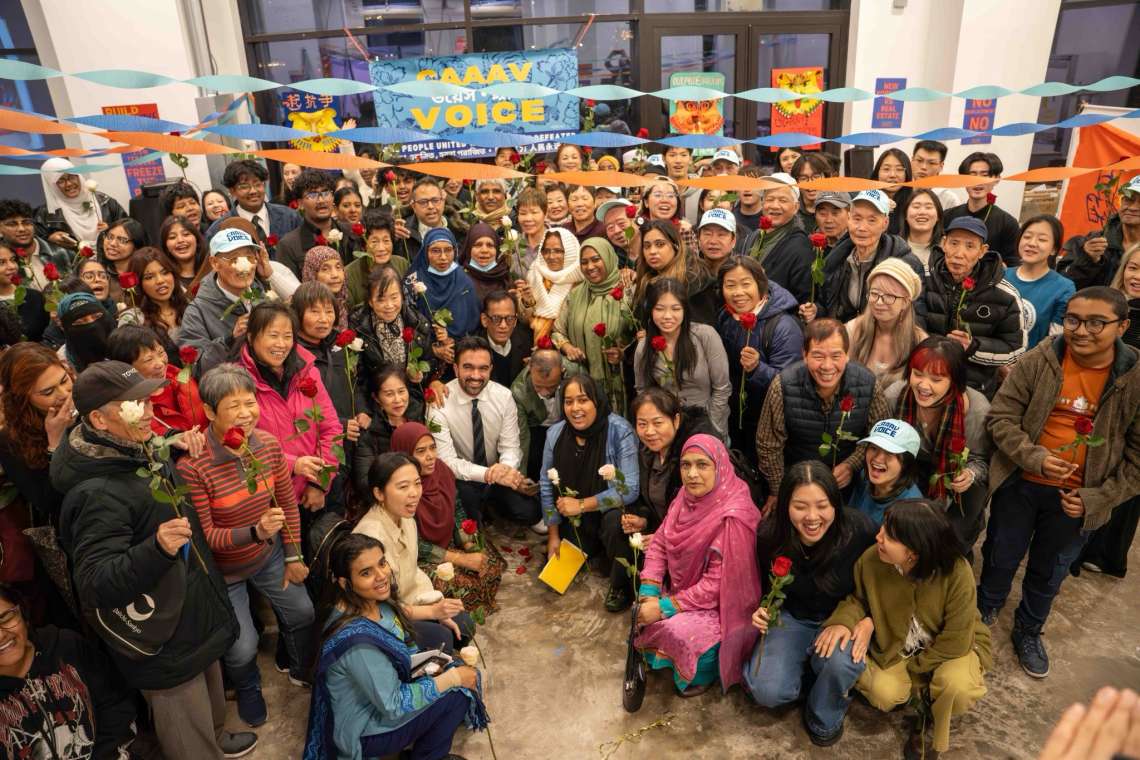
Mamdani, who won on a platform focused on economic justice, expanded public services and stronger tenant protections, has been a vocal critic of Trump. During the campaign he described the President as a threat to democracy and argued that he alone had the “backbone” to challenge him. His win, considered a landmark moment within progressive Democratic circles, was accompanied by an intense public debate over the direction of New York City’s politics.
For Trump, the meeting represents an encounter with the political leadership of the city where he spent much of his life and built his business career, but which he has frequently criticised in recent years over crime, governance and its electoral choices. While the White House has maintained a confrontational tone, particularly in its description of Mamdani’s politics, officials have nonetheless confirmed the President’s intention to proceed with the scheduled discussions.
Observers note that the meeting could serve multiple purposes: for Mamdani, an opportunity to press for federal support on housing and affordability; for Trump, a chance to frame his administration as willing to engage across party lines even amid strong ideological disagreements. It remains unclear how substantive the talks will be or whether they will lead to any formal policy commitments.
Analysts suggest that both sides may approach the meeting with a combination of political calculation and cautious pragmatism, aware of the symbolic weight carried by a high-profile Oval Office encounter. The meeting will also be watched closely for indications of whether the relationship between the White House and New York’s new leadership could move beyond campaign-season antagonism.
With New York facing continuing challenges in housing, public safety and the cost of living, the outcome of Friday’s discussion may help shape expectations for how the city and the federal government will interact in the early stages of Mamdani’s term. For now, both sides appear set to proceed with a meeting that underscores the complexity of navigating governance amid intense ideological divides and the political significance of New York’s role on the national stage.