Xi underscored that governing China’s online ecosystem is not merely a regulatory matter but a key element of national development and security.
Chinese President Xi Jinping has vowed to intensify Beijing’s campaign against online misconduct, calling for a “clean and upright cyberspace” as authorities continue to tighten their grip on digital content. His remarks, reported by state broadcaster Xinhua on Saturday, come after a series of penalties imposed on major social media platforms accused of failing to curb harmful material.
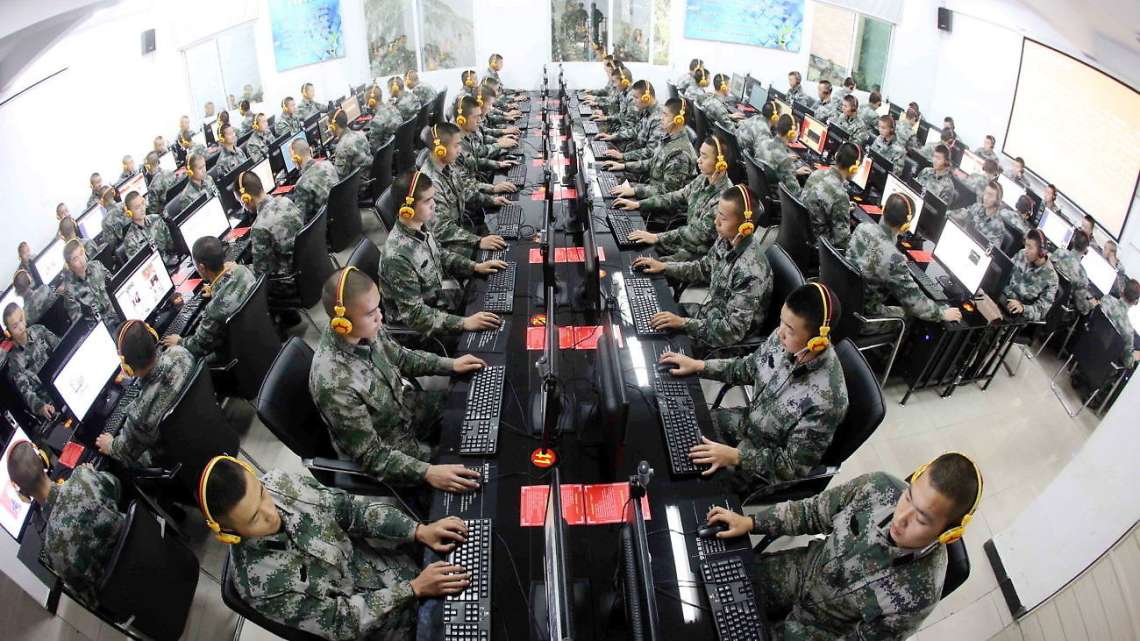
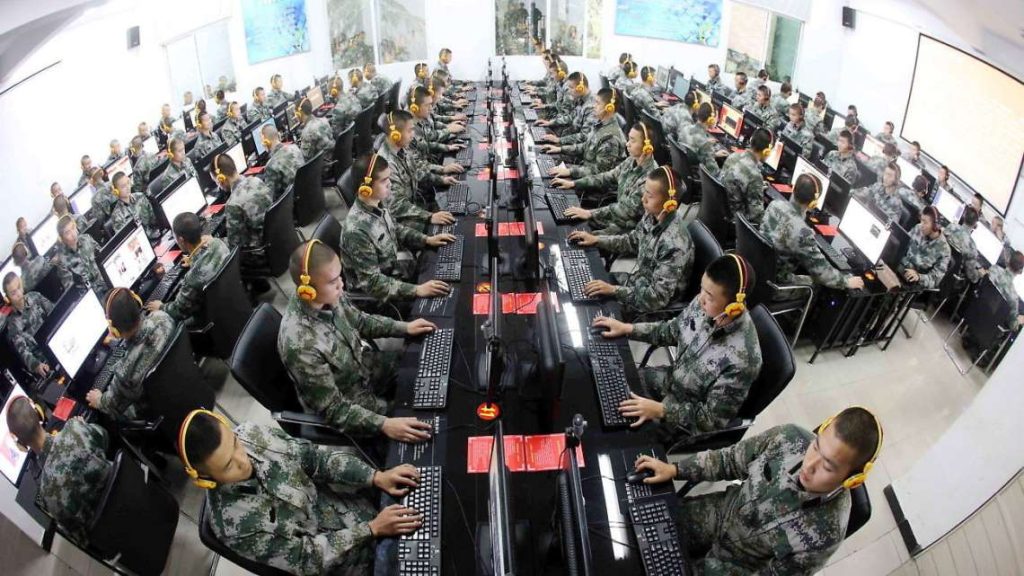
China’s online environment is subject to some of the world’s most stringent controls, with authorities requiring platforms to closely monitor and remove posts considered subversive, vulgar, politically sensitive or otherwise “harmful.” Maintaining ideological security has long been a priority for Beijing, and Xi emphasised at a Communist Party meeting on Friday that the integrity of cyberspace is central to China’s ambitions to become a major cyber power.
According to Xinhua, Xi argued that misconduct on the internet “pollutes social ethos,” although he did not identify specific examples. He called on regulators and companies to take stronger action by dismantling the profit chains and industry networks that enable such behaviour. “We must dare to draw the sword, resolutely crack down on such behaviour, sever the profit and industry chains behind it, and eliminate the soil and conditions that allow it to grow,” he said.
His comments follow a renewed wave of regulatory actions. In September, the Cyberspace Administration of China (CAC) announced it would take measures against ByteDance-owned news platform Jinri Toutiao and Alibaba’s UCWeb browser, accusing both of displaying inappropriate or harmful content. The same month, the CAC launched a two-month campaign aimed at curbing “malicious incitement of conflict,” the promotion of violence, and what it described as “vicious currents” circulating online.
Three additional major platforms — Weibo, the short-video app Kuaishou, and the lifestyle-sharing platform Xiaohongshu — also faced penalties in September. Regulators said these companies had failed to fulfil their responsibilities regarding content moderation. The CAC stated that disciplinary measures could include warnings, mandated rectification within a set timeframe, formal reprimands, and more severe sanctions for those deemed responsible. No further details were provided on the exact nature of the punishments.
Xi underscored that governing China’s online ecosystem is not merely a regulatory matter but a key element of national development and security. He said maintaining order in cyberspace is tied directly to the country’s long-term stability and the public’s interests. By pushing for a more tightly controlled digital environment, China’s leadership aims to limit online behaviour it views as socially disruptive while reinforcing the political and ideological boundaries that underpin the ruling party’s authority.