Pope’s three-day trip comes at a moment of heightened political and security tension, and Lebanese leaders say his presence carries symbolic weight for a nation in deep crisis.
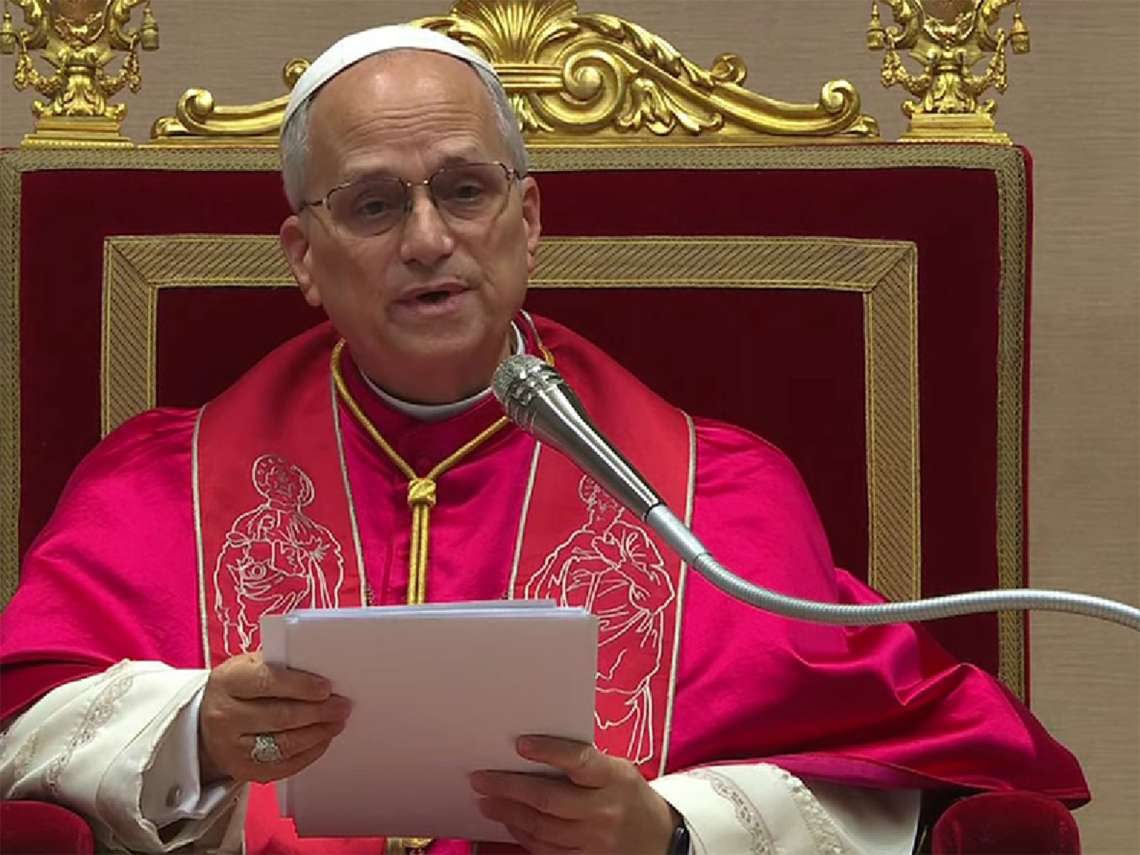
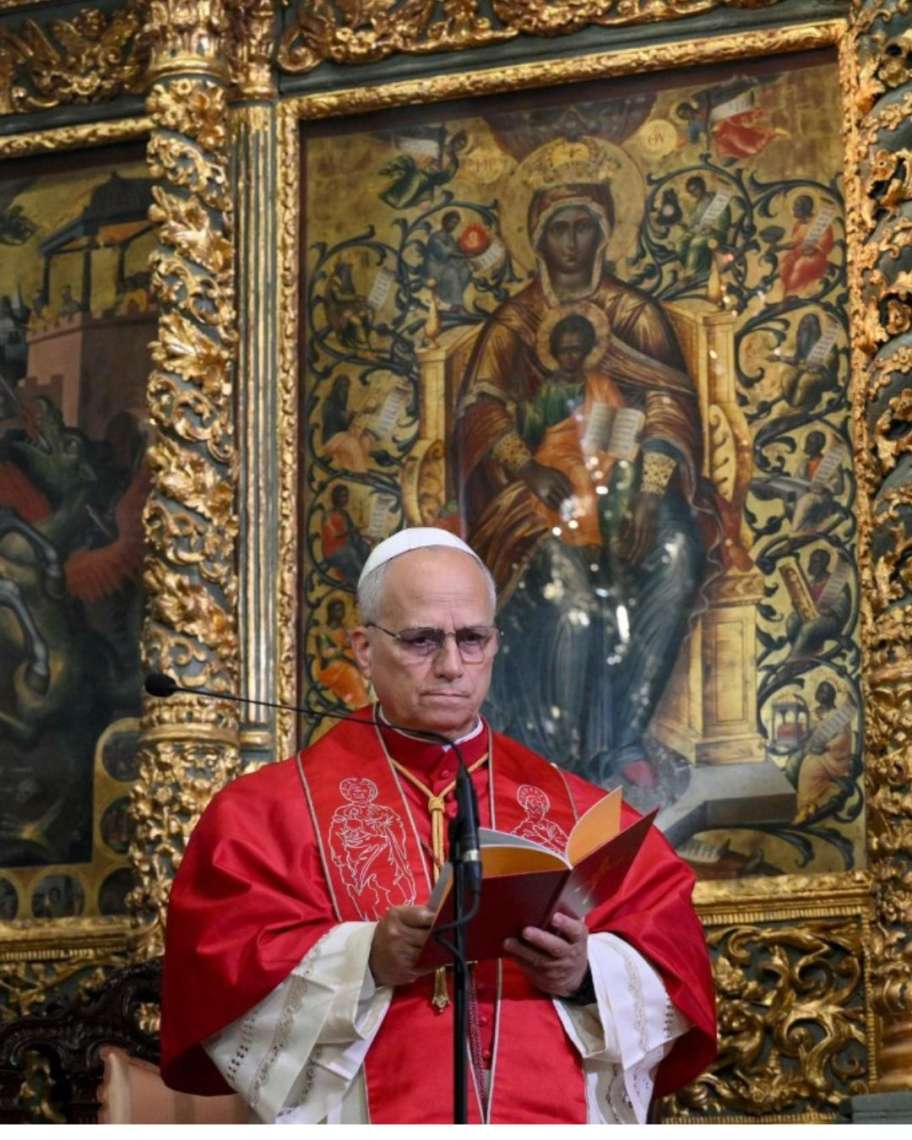
Pope Leo XIV arrived in Lebanon on Sunday, stepping onto Lebanese soil for what officials describe as a “historic visit in both timing and substance,” as the country grapples with fears that the fragile, year-old ceasefire between Israel and Hezbollah may soon collapse. His three-day trip comes at a moment of heightened political and security tension, and Lebanese leaders say his presence carries symbolic weight for a nation in deep crisis.
The pontiff’s schedule is tightly packed with high-level meetings, including separate discussions with the president, ministers, and parliamentary representatives. He will also visit several religious and humanitarian sites that hold significance for both the Christian community and the country at large. Among the stops are the Monastery of Saint Maron in Annaya, home to the shrine of Saint Charbel, and the Shrine of Our Lady of Lebanon in Harissa, a landmark of Catholic devotion and interfaith presence in the region.

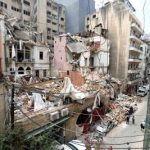
A key moment of the visit will be Pope Leo’s silent prayer at the site of the Aug. 4, 2020, Beirut port explosion, where he will meet survivors and families of victims. Nearly five years after the massive blast tore through the capital, many still await accountability and justice. As reported by Arab News, the pontiff is expected to reiterate the Vatican’s call for truth, healing, and a path forward free from political paralysis.
Leo will also visit the Sisters of the Cross Hospital in Jal El-Dib, hold an open dialogue with Lebanese youth, and preside over a large mass on the Beirut waterfront. Leaders from Lebanon’s diverse Christian and Muslim communities are expected to attend, underscoring the ecumenical and interfaith importance of the trip.
For many Lebanese — and Christians in particular — the pope’s arrival sends a message that the international community has not forgotten them. In a speech delivered ahead of his journey, Leo stated plainly that “Lebanon has suffered enough.” His chosen theme for the visit, “Blessed are the peacemakers,” is widely interpreted as both a blessing and a challenge to the country’s fractured political class.
In comments carried by Arab News, Maronite Patriarch Bechara Boutros Al-Rahi said the Pope’s presence offers “an opportunity to take a fresh look at the host country,” especially at a time when internal trust is low and external support has waned. Lebanon, he said, has been left “alone to its fate” amid political deadlock, economic collapse, and regional instability.
Al-Rahi added that Pope Leo brings “a message of peace and hope” at a moment when many Lebanese have lost sight of their historic role in the Levant as proponents of coexistence and dialogue. This role, he said, must be reaffirmed through decisive national choices that reflect the responsibility the pope is placing before the Lebanese people.
He emphasized that Lebanon must once again become a hub for dialogue between cultures and civilizations, hosting conferences on human rights and the rights of peoples. Central to this vision, he noted, is the necessity of adopting “positive neutrality,” which he described as the only viable path for Lebanon to reclaim its mission and rise above partisan fragmentation.