Thousands of police, navy personnel and army troops have been deployed to distribute food, clear debris-filled roads and move trapped families to safety as water levels continue to fluctuate
At least 153 people have been killed in Sri Lanka after landslides and flooding caused by Cyclone Ditwah, officials said on Saturday, with another 191 missing and more than half a million residents affected across the country. The Disaster Management Center said more than 78,000 people have been moved into nearly 800 relief centres, many of them set up in schools and public buildings to accommodate the sudden influx of displaced families.
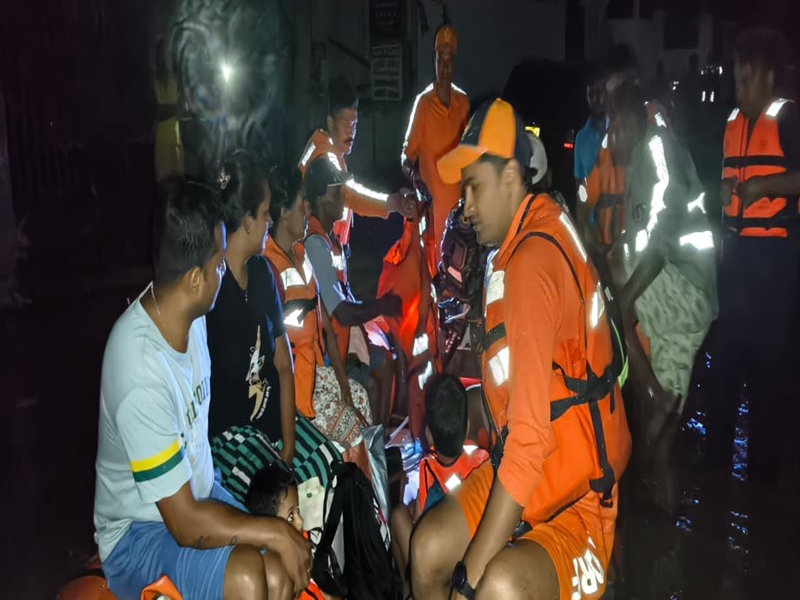
Thousands of police, navy personnel and army troops have been deployed to distribute food, clear debris-filled roads and move trapped families to safety as water levels continue to fluctuate. The scale of the disaster has stretched emergency services, with some areas accessible only by boats.

Among those taking shelter in relief centres is Mallika Kumari, whose home in Malwana, about 20 kilometres from Colombo, was submerged almost instantly on Friday. She and her husband hurriedly bundled their three children into a rented lorry and spent the night on the roadside, watching the Kelani River rise at a pace they never anticipated. Kumari is one of hundreds in her neighbourhood facing what officials say is the worst flooding in more than a decade.
Rescue teams have been transporting stranded families back and forth through flooded streets, giving some residents brief chances to retrieve essential belongings. Kumari said she hoped to pick up her children’s clothes and school books, carrying with her a few garbage bags to collect whatever remained dry. “We never expected the river to overflow so quickly. We just rushed out of the house without anything,” she told Reuters. “Two of my sons have the flu and I need to get them medication.”

In the chaos of escaping, she left behind the family cat, which was later rescued by a navy crew and brought to dry land — one of the few moments of relief in an otherwise overwhelming ordeal. The flooding in Malwana and other low-lying towns near Colombo has left many homes without electricity, while streets remain impassable. Meteorological officials have warned that heavy rain is expected to continue over the weekend, increasing fears of fresh flooding and landslides in already saturated regions.
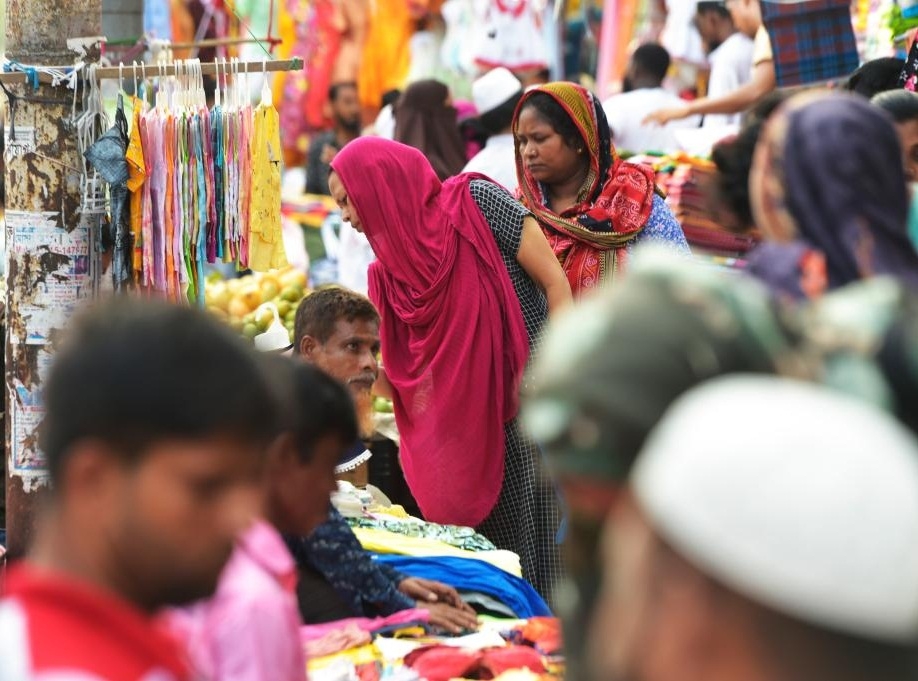
A mid-crisis report by Arab News noted that some residents were reluctant to leave their partially submerged homes, choosing to stay on upper floors to protect their belongings. Local businesses have been hit hard as well, with pharmacies, supermarkets and fabric shops inundated, raising concerns about long-term financial recovery.
Amid the destruction, communities have mobilised to support each other. At the Dalugala Thakiya Mosque, volunteers spent Saturday preparing rice parcels with chicken and dhal curry for displaced families. Organisers said they plan to increase meal capacity by Sunday to meet the rising demand, especially from daily wage earners unable to work due to the flooding.
“We are getting more requests for food because people who live off daily jobs cannot earn right now and are running low on savings,” said volunteer Risham Ahmed. “They are worried about how to piece their lives back together.”