June 20, 2025
4 mins read

Strangulation in pornography to be made illegal

The depiction of strangulation in pornography will be banned in a move to protect women from violence, the Government has announced

The government is set to criminalise pornography that depicts acts of strangulation during sex, in a significant step to address the alarming rise of violence against women and girls and curb the normalisation of extreme sexual violence in online content.

The move follows recommendations made by the Independent Porn Review, led by Baroness Gabby Bertin, which uncovered how depictions of strangulation in pornography have increasingly been presented as a sexual norm. The review found a widespread and dangerous misconception, especially among young people, that strangulation during sex is both common and safe—despite overwhelming medical and legal evidence that there is no such thing as ‘safe’ strangulation.

This legislative change is part of the Government’s wider commitment to halve violence against women and girls, a key pillar of its broader *Plan for Change*, which includes strengthening the justice system, improving victim support, and making public spaces safer for women.

Announcing the new law, Alex Davies-Jones, Minister for Victims and Tackling Violence Against Women and Girls, stressed the importance of confronting harmful online material that contributes to real-world abuse.

“Depicting strangulation during sex is not only dangerous, but also degrading, with real life consequences for women,” said Davies-Jones. “Cracking down on the appalling rise of strangulation pornography will protect women and send a clear signal to men and boys that misogyny will not be tolerated.”

The government’s decision also honours the efforts of campaigners such as Jessica Asato, as well as women’s rights organisations, who have long called for tougher regulation of violent pornographic content.

Andrea Simon, Director of the End Violence Against Women Coalition (EVAW), described the announcement as “a crucial step forward” after years of advocacy. “We welcome the government’s decision to criminalise the depiction of strangulation in pornography, a move that reflects years of campaigning by EVAW and other experts who have long warned about the normalisation of violence against women and girls in online content,” Simon said.

She added that the normalisation of strangulation in sexual imagery had created dangerous behavioural patterns among young men in particular, who often internalise what they see in porn without understanding its real-life risks.

“There is no such thing as safe strangulation; women cannot consent to the long-term harm it can cause, including impaired cognitive functioning and memory,” Simon continued. “Its widespread portrayal in porn is fuelling dangerous behaviours, particularly among young people. This is a vital step towards recognising the role violent pornography plays in shaping attitudes to women and regulating an industry which promotes and profits from violence against women.”

Baroness Bertin’s review laid bare how popular adult websites and content creators have played a role in glamorising and disseminating violent sexual practices that would be considered criminal in any other context. The report cited the ease with which users could access videos depicting strangulation, often without any warnings or age verification.

Her findings underscored the urgent need for regulation, not just to punish criminal content, but to reset cultural norms about sex, power, and consent.

Baroness Bertin has also urged greater public awareness and education around the dangers of such practices, calling for comprehensive sex and relationships education in schools that addresses harmful content online and empowers young people with informed, respectful understandings of intimacy.

The forthcoming amendment will be incorporated into the Crime and Policing Bill, the government’s flagship legislation under the Plan for Change. While the exact legal wording will be announced in due course, officials confirmed that the amendment builds on existing provisions in the Obscene Publications Act 1959 and the Criminal Justice and Immigration Act 2008.

These laws already criminalise the publication and possession of material that includes life-threatening acts. The new amendment will clarify that depictions of strangulation during sex fall under this remit, thereby closing loopholes that have previously allowed such content to proliferate under the guise of adult entertainment.

According to the Ministry of Justice, the new legislation will empower police and prosecutors to take firmer action against sites and individuals that distribute or host this content, and it is expected to trigger increased scrutiny of mainstream porn platforms.

The government insists this measure is not symbolic, but rather a tangible addition to its comprehensive strategy to reduce violence against women and girls. Alongside new laws, the Plan for Change includes investment in support services, modernisation of the court system to better serve survivors, and reforms to policing and education.

Critics have long argued that violent pornography is a silent contributor to gender-based violence, conditioning young men in particular to view aggression as a natural part of sex. By targeting this nexus between online culture and real-world abuse, the Government hopes to shift not only behaviour but underlying societal attitudes.

Officials say further details of the amendment and its enforcement mechanisms will be made public later this year. In the meantime, campaigners continue to call for stronger protections across the digital space, including age verification on adult sites, mandatory warnings for extreme content, and platform accountability.


Previous Story

Amber heat health alert issued across England

Next Story

Millions more families to get £150 off energy bills

Previous Story

Amber heat health alert issued across England

Next Story

Millions more families to get £150 off energy bills

Latest from -Top News

Pakistan Risks Overstretching Itself in Yemen War

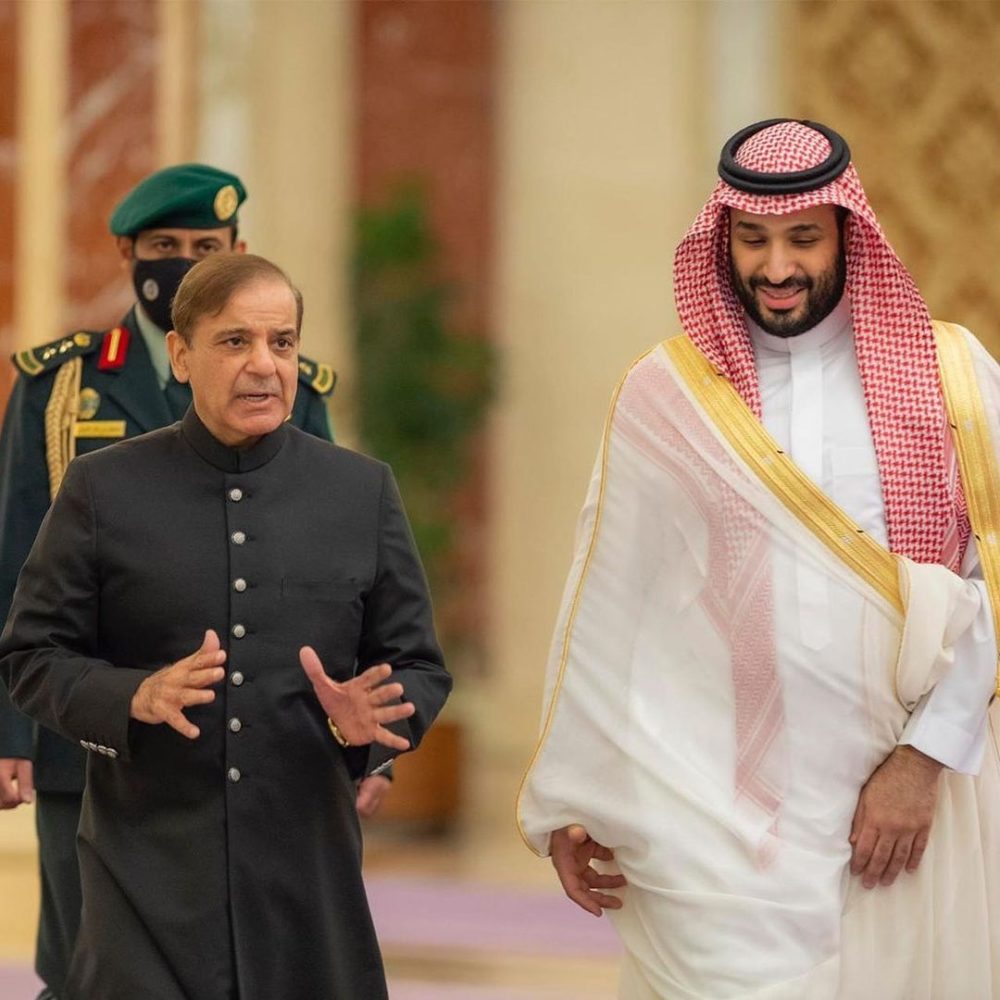
Pakistan’s expanding military role in Saudi Arabia amid the Yemen conflict could strain its defence resources and fragile finances…reports Asian Lite News Desk Pakistan’s military involvement in the war in Yemen may prove unsustainable because of mounting financial pressures and competing security demands, according to a new report. Islamabad’s growing military presence in Saudi Arabia risks stretching its defence resources while exposing the country to greater strategic and economic challenges. An article by Andrew Wilson in One World Outlook describes Pakistan’s involvement as a case of “fiscal and strategic overreach”, arguing that the country lacks the financial flexibility to sustain an expanded military commitment. Pakistan’s external finances depend heavily on an International Monetary Fund (IMF) programme, financial support from Gulf countries and remittances from Pakistani workers in the region. The report argues that deeper military involvement in the conflict could place additional pressure on these sources of financial stability. It also warns that deploying troops and military equipment abroad could weaken Pakistan’s capacity to address security challenges along its eastern border and deal with two domestic insurgencies. The move could also draw Islamabad into a conflict it has sought to approach cautiously. A Reuters report in May, citing Pakistani security and government sources, said Islamabad had deployed around 8,000 troops, a squadron of approximately 16 aircraft, mostly JF-17 fighter jets, two drone squadrons and a Chinese HQ-9 air-defence battery to Saudi Arabia. According to those sources, Riyadh was financing the deployment, with Pakistani personnel operating the equipment. The sources also said a confidential agreement contemplated the possibility of deploying up to 80,000 troops. Islamabad has not confirmed those figures, although it has acknowledged its military presence in Saudi Arabia, including the deployment of fighter jets at King Abdulaziz Air Base from April. The One World Outlook article argues that Saudi financial support can cover allowances and operating expenses but cannot easily replace military equipment needed elsewhere or resolve the political and strategic challenges of participating in the Yemen conflict. Pakistan’s defence budget is another concern. For the 2026-27 financial year, the federal government allocated PKR 3 trillion, or approximately $10.8 billion, to defence services. The allocation represents an 18 per cent increase from the original PKR 2.55 trillion provision and amounts to around 2.1 per cent of projected gross domestic product (GDP). Defence spending accounts for approximately 16 per cent of the federal government’s PKR 18.8 trillion expenditure. Military pensions are budgeted separately at PKR 822 billion, while debt servicing costs stand at approximately PKR 8 trillion, more than two-and-a-half times the defence allocation. The report argues that these competing financial obligations leave little room for additional military expenditure without placing further pressure on public finances. Pakistan’s reliance on IMF assistance also limits its fiscal flexibility. The country must meet the conditions attached to the programme, including a primary budget surplus target of 2 per cent of GDP and continued restraint on development spending. According to the article, these requirements make it difficult for Islamabad to finance an additional military commitment without compromising other budgetary priorities. Pakistan’s economic indicators offer limited reassurance. Economic growth for the 2025-26 financial year is estimated at between 3.6 and 3.7 per cent, while inflation reached approximately 10.3 per cent in September following an energy price shock. Foreign exchange reserves stood at around $21.5 billion at the end of September. Although this marks an improvement from the low levels recorded in 2023, the report notes that the reserves cover only a few months of imports. Financial assistance from Gulf partners remains central to Pakistan’s external stability. The article says Islamabad holds approximately $8 billion in Saudi deposits at its central bank. In July, the State Bank of Pakistan said Riyadh had extended the maturity of $5 billion in deposits to December 2028, easing the country’s immediate external financing requirements. A further $3 billion deposit was also extended in the spring. However, the article argues that these arrangements provide temporary relief rather than long-term financial independence, particularly as regional conflict threatens the stability of the Gulf economies on which Pakistan relies. The report concludes that Pakistan faces a difficult balance between supporting Saudi Arabia militarily and preserving the financial and military resources needed to address its domestic and regional challenges.

UK and Germany Ratify Kensington Treaty

Britain and Germany ratify the Kensington Treaty, agreeing new cooperation on AI, quantum research, defence and security while targeting investment, jobs and Russian hybrid threats…reports Asian Lite News Desk Britain and Germany

Economic tide is turning in Bangladesh

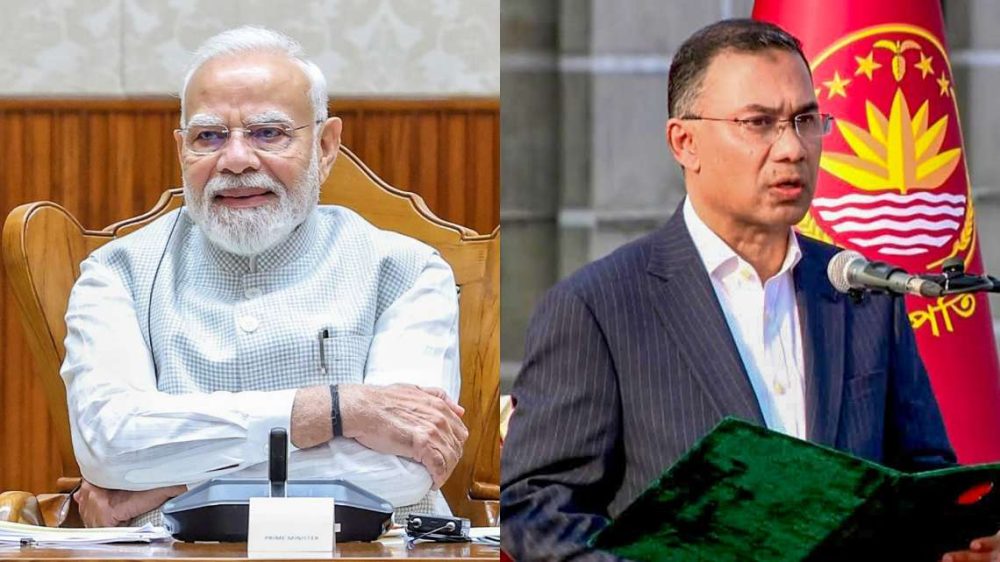
If there is one thing that can bring some comfort to the struggling Bangladeshi economy, it is good relations with India. Bangladesh should remember that Delhi’s backing, through easy supplies of essentials
Go toTop

Don't Miss

Melania’s Documentary Flops 

The picture was even bleaker across major multiplexes, with all

Burnham edges closer to a seat

Andrew Gwynne’s decision to resign as Labour MP for Gorton