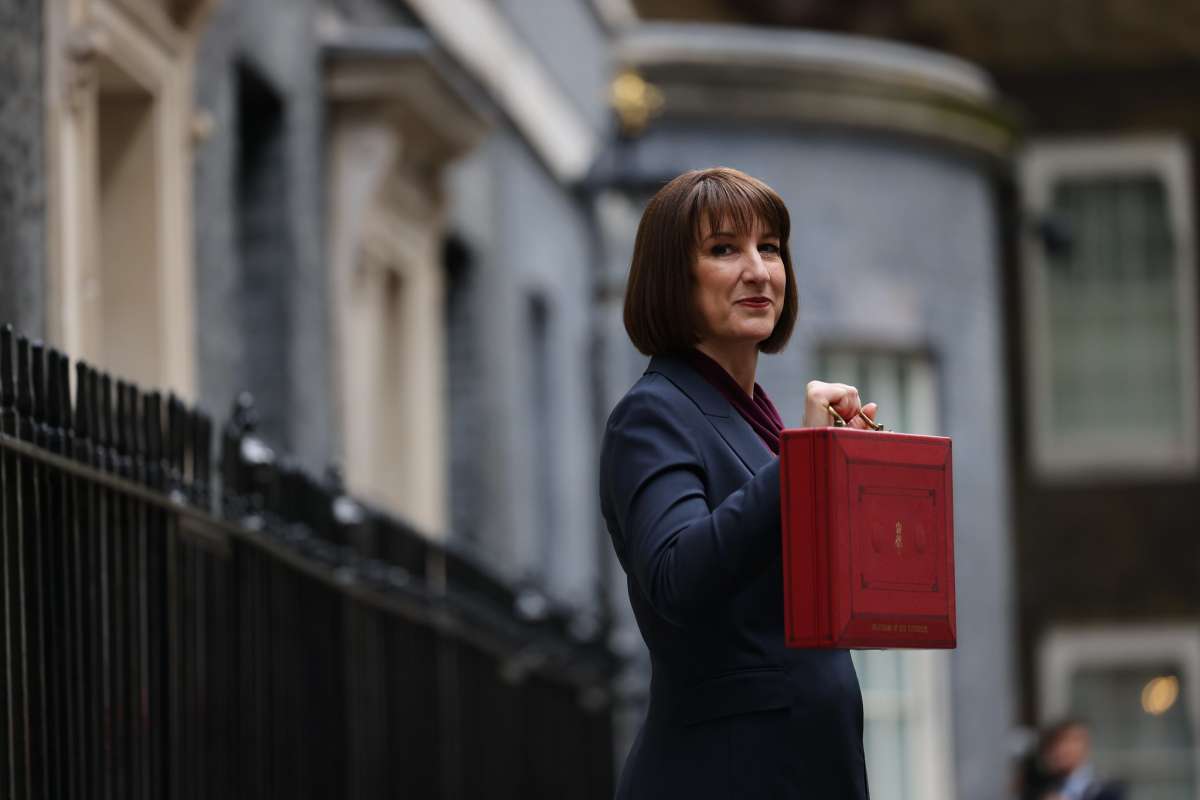
Reeves strategy depends on their being growth and here she is relying on entrepreneurs proving her critics thunderously wrong. That she is not entirely bonkers on relying on them has some evidence. It was actually provided in the Times on the day after the Budget. … writes Mihir Bose
The shadow over Rachel Reeves is that of Liz Truss. Her disastrous attempt to go for growth by cutting taxes without having the money to do it, send bond markets into meltdown and lead to her and her Chancellor Kwasi Kwarteng’s instant meltdown.
Keep the bond markets happy has been Rachel Reeves’s mantra which explains her iron fiscal rule of maintaining financial stability widely considered to be essential for economic growth. After her last Budget she was criticised for not having enough head room. Now she has increased her headroom to £21. 7 billion, much more than the £15 billion Treasury said she should have. So, no danger then of the ceiling falling down on her head.
But in the process, she has increased the tax burden. Since coming to power, just over two years ago, she has increased taxes by £66 billion, more than any government since 1970. And while she claims this has not broken Labour’s manifesto pledge not to increase taxes she has, as one group of taxpayers said, stealthily increased it by freezing the tax thresholds.
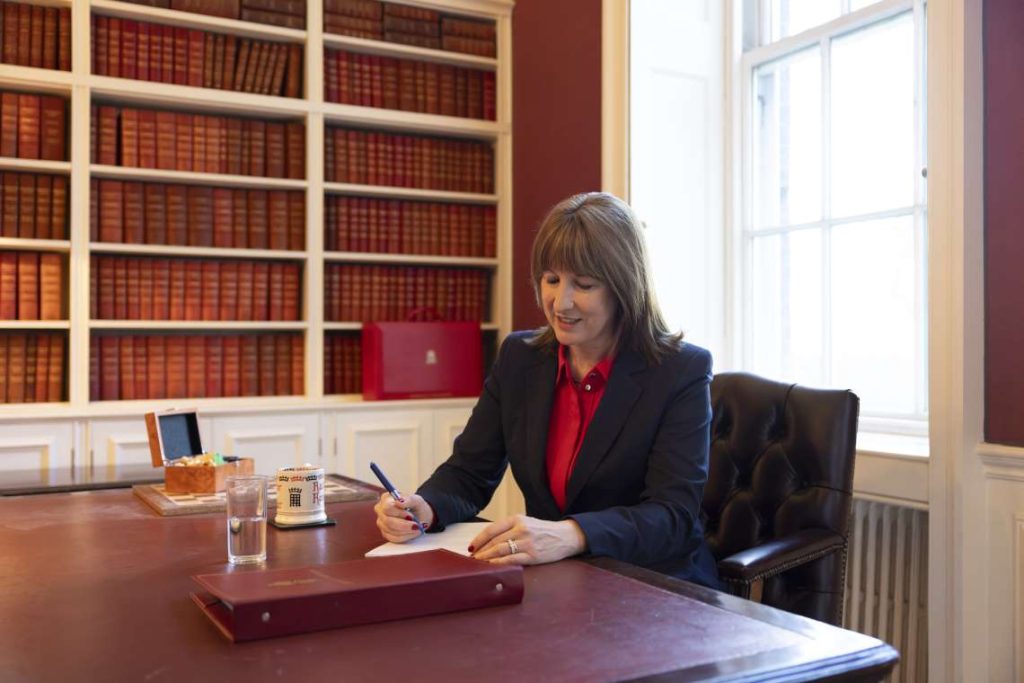
Or has she really raised taxes?
This is where we come to what may be called the great Rachel Reeves sleight of hand. Yes, taxes are going up. However, they are not going up immediately. They are going up two or even three years from now. They will be going up towards the end of this Parliament.
Now this is contrary to all political wisdom. The iron rule of politics is you inflict pain on the electorate in the first years after you win power but then lower taxes as the election approaches so you can go to the country on the slogan, look we have lowered taxes and put money in your pocket. But Reeves’ Budget means taxes will be going up just as Labour will ask the electorate to vote for it again. All the Conservatives, or more likely Reform, will have to do is echo Ronald Reagan, “Are you better off under Labour”. With the answer a resounding no, Labour will be history.
But this is where Reeves is banking on turning history on its head. Having postponed her tax rises for two or more years she is hoping she will not actually have to go through with them. The Budget, which has been condemned as spend now, pay later, will become spend now and do not pay for it. She is banking that her policies will generate growth, government debt will dramatically reduce and, hey presto, there is no need to get money from tax rises. So, in a couple of years just before the election, a Reeves budget will come which will cancel these tax rises. People will have more money in their pockets, and they will reward Labour with a second successive victory, and a comfortable one, something only one Labour Prime Minister, Tony Blair, has managed. Attlee won a second successive election in 1950 but with a 5-seat majority and was soon out of power condemning Labour to 13 years of wilderness.
Reeves strategy depends on their being growth and here she is relying on entrepreneurs proving her critics thunderously wrong. That she is not entirely bonkers on relying on them has some evidence. It was actually provided in the Times on the day after the Budget.
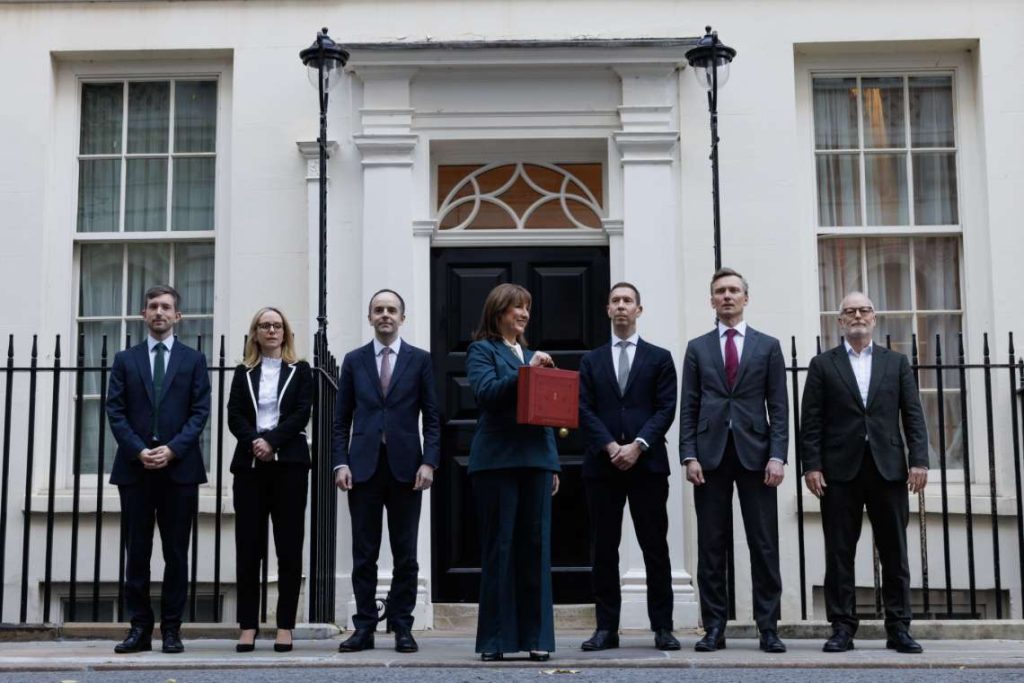
The Times could not be more critical of Reeves. Almost every story on her was critical of her policies and her stewardship of the economy. In its pull out on Budget 2025 the front page story by Mehreen Khan, the Economics Editor, described the Budget as “the third -largest tax raid since 2010. Rachel Reeves has been responsible for two of them. Her first was careless; the second a £26 billion to attempt to fix her mistakes; a third would be political suicide.”
But turn to the double page spread in the inside pages and you find why Reeves thinks it will not be political suicide but actually prove that she is a very clever politician. The Times has a column headlined Views from the Entrepreneurs. There are five of them and, while some have doubts, it is striking how optimistic some of them are.
Gryve Safavi, co-founder and chief executive of an electric toothbrush company, says, “I remain confident that the UK is a great place to have an early- stage company.” Lottie Whyte, Co-founder of MyoMaster, which makes equipment that is aimed at helping people recover more quickly after exercise, gushes about Reeves. “She has invited many of us entrepreneurs to have a real seat around the table, listen and help shape policy and in this budget, we’ve actually seen some of these suggestions brought to life. I think that’s an amazing approach.”
Very different from the almost universal doom and gloom that has greeted Reeves’ entire budget strategy.
But for the Reeves to be proved right these entrepreneurs must find their businesses are growing and bringing prosperity to people. If it does then Reeves will prove to be not Rachel from accounts, the cruel, mocking nickname given to her by her critics, but Rachel the magician.
Her neighbour Keir Starmer must hope she does. Otherwise, like Reeves, he will be consigned to history as the politician who won one of the biggest majorities by any Prime Minister but then squandered it. Labour, far from being the party of government, which is what it wants to be, will, as it has always been in history, be the party who having won power then waste it. It means being condemned to almost permanent opposition.
(Mihir Bose is the author of 53 books. His latest is Thank You Mr Crombie, Lessons in Guilt and Gratitude to the British)