The African Union has suspended Guinea-Bissau after a military takeover that followed disputed elections, insisting the country cannot return to normal participation until constitutional rule is restored…reports Asian Lite News
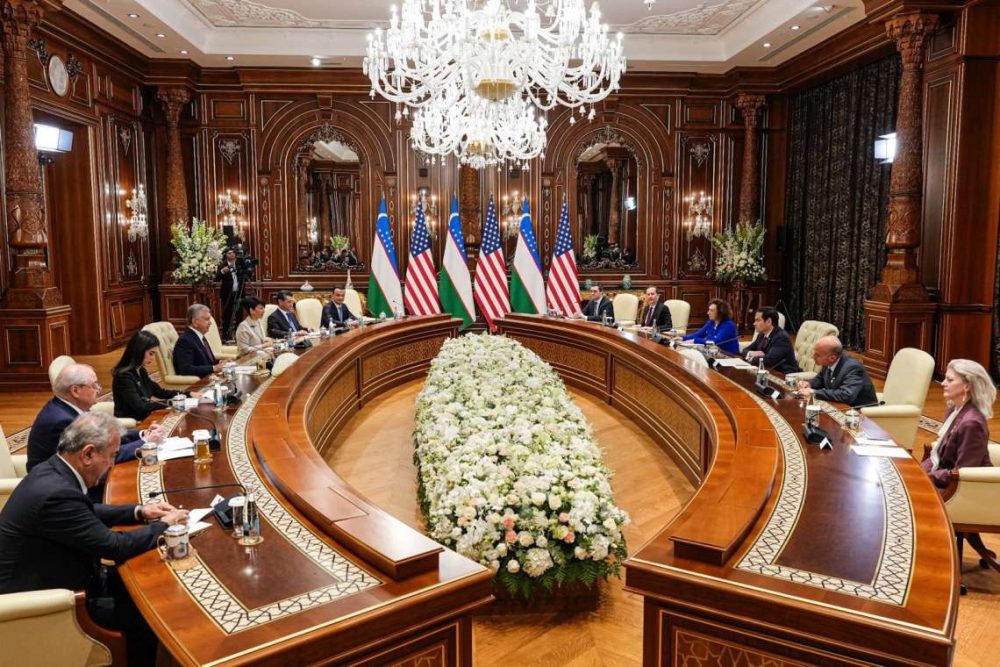
The African Union (AU) has suspended Guinea-Bissau from all its activities following a military coup, declaring that it will not tolerate unconstitutional changes of government in a country that has faced repeated upheavals since independence. In a resolution adopted by the AU Peace and Security Council, the organisation reaffirmed its “zero tolerance on unconstitutional changes of government” and said it would “immediately suspend the Republic of Guinea-Bissau from participating in all activities of the union, its organs and institutions, until constitutional order is restored in the country.” The decision reflects mounting regional frustration after years of political turbulence, which again came to a head this week.
Guinea-Bissau, one of the world’s poorest nations, has endured a long history of coups and attempted coups since breaking from Portugal more than half a century ago. Only in October, the country saw another attempt to unseat the government, highlighting the persistent fragility of its institutions. With a population of 2.2 million, the country has also become notorious as a hub for drug trafficking between Latin America and Europe, a pattern that analysts say has deepened its political crises by empowering criminal networks and undermining state structures.
The West African regional bloc ECOWAS added its own pressure on Thursday, suspending Guinea-Bissau from its decision-making bodies until a legitimate government is reinstated. The move places the country alongside several other states in the region faced with similar penalties in recent years after military takeovers, signalling a broader challenge for West Africa as democratic norms face renewed strain.
This latest coup came on Wednesday, just days after presidential and legislative elections on Sunday, during which both incumbent President Umaro Sissoco Embalo and opposition candidate Fernando Dias claimed victory. The uncertainty surrounding the results created a tense atmosphere that quickly escalated. Embalo departed for Senegal on Thursday on a flight chartered by the Senegalese government, leaving a leadership vacuum that the military swiftly moved to fill.
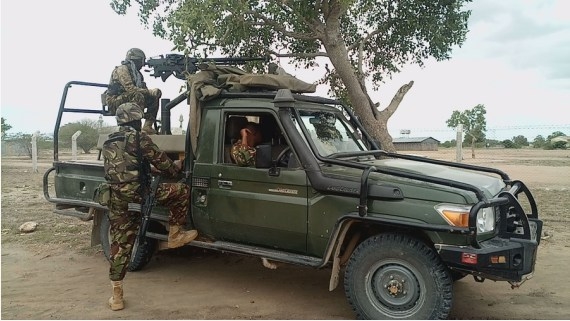
Following the takeover, the military high command inaugurated Gen. Horta Inta-a, a former army chief of staff, as head of the new military government. According to a declaration broadcast on state television, the junta will oversee a one-year transition period. On Friday, the military leader appointed Ilidio Vieira Te, who had served as finance minister in Embalo’s government, as prime minister. During a brief swearing-in ceremony, the new leader remarked that the people of Guinea-Bissau “expect a lot” from their new authorities and said he hoped the junta and the prime minister would “continue to work hand-in-hand.”
Despite the rapid political shift, daily life in the capital, Bissau, began to return to a form of normality by the end of the week. Cars were back on the roads, markets resumed trading, and borders were ordered reopened. For many residents, resuming work was an economic necessity rather than a sign of ease. “I resumed my work because if I stay home, I will have nothing to eat,” said 25-year-old street vendor Boubacar Embalo, reflecting the precarious livelihoods of many citizens in a country where poverty is widespread.
Guinea-Bissau, located between Senegal and Guinea, has now experienced four successful coups and numerous attempted ones since 1974. It joins Burkina Faso, Mali, Madagascar, Niger, and Sudan on the list of countries suspended from the AU following coups. With chronic poverty, disordered administration, and entrenched political instability, Guinea-Bissau remains highly vulnerable to corruption and drug smuggling, problems likely to persist as the country enters yet another uncertain transition.