Britain plans a military gap year for under-25s, offering paid training, leadership skills and real Armed Forces experience as part of a wider defence recruitment drive….reports Asian Lite News
Britain is set to introduce a new military “gap year” scheme aimed at giving young people first-hand experience of life in the Armed Forces, as the government steps up efforts to boost recruitment and strengthen national resilience in an increasingly uncertain global climate.
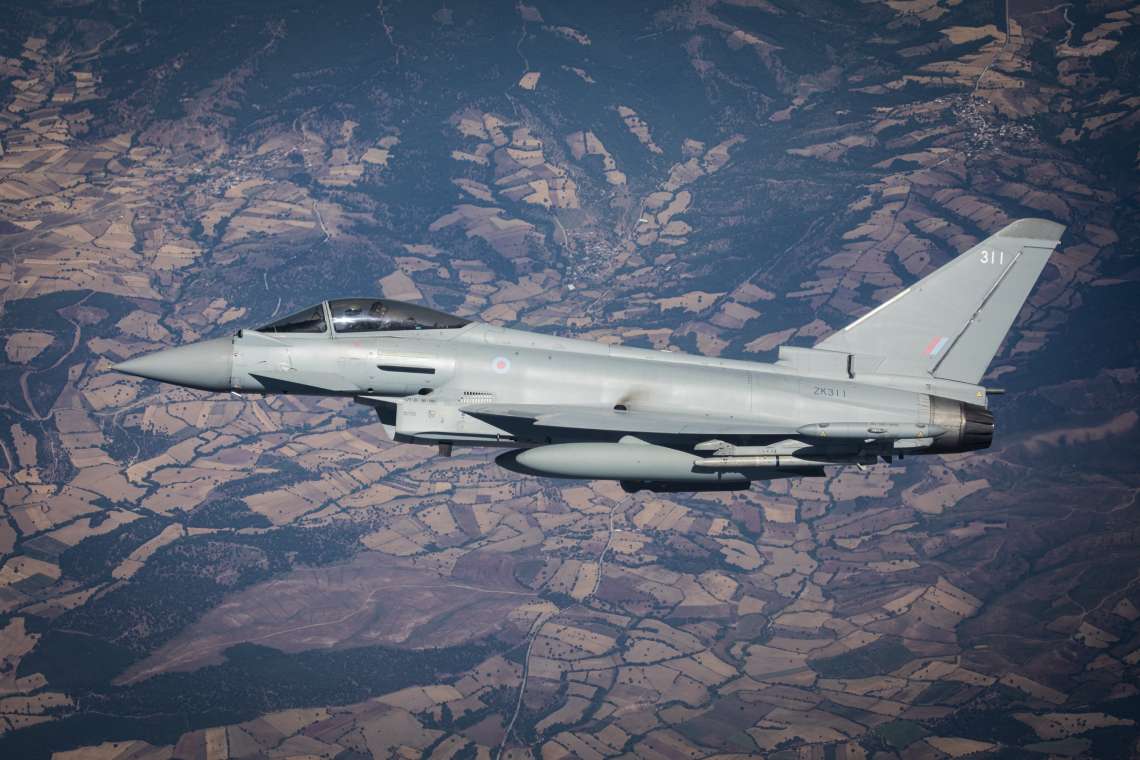
The Armed Forces Foundation Scheme, due to launch in March 2026, will offer under-25s the chance to spend a paid year training and working across the Army, Royal Navy and Royal Air Force. The initiative will begin with a pilot cohort of around 150 participants, with ministers expressing ambitions to expand the programme to more than 1,000 young people in the years ahead, subject to demand.
Designed for those who may be unsure about their future career path, the scheme will provide structured training focused on leadership, teamwork and problem-solving, alongside exposure to operational military environments. Participants will not be required to make a long-term commitment to military service, but will gain skills intended to benefit both civilian employment prospects and potential future careers in the Armed Forces.
Government officials say the programme is intended to appeal to school leavers, college graduates and young adults looking for a purposeful alternative to traditional gap years. Participants will receive paid training and may experience activities such as basic military instruction, working alongside logistics units, engineering teams or spending time at sea with the Royal Navy.
The initiative forms part of a broader “whole of society” approach to defence outlined in this year’s Strategic Defence Review. The review argues that national security can no longer be seen as the sole responsibility of the military, but requires stronger links between the Armed Forces and wider society. Ministers believe the scheme will help reconnect the public with those who serve, while equipping a new generation with transferable skills critical to the economy.
Officials say the programme has been shaped by the success of Australia’s long-running Defence Force Gap Year, which has operated for more than a decade and was highlighted in the UK’s defence review as a model worth emulating. That scheme has been credited with improving recruitment, widening understanding of military life and giving participants valuable workplace experience even if they choose not to enlist permanently.
The announcement follows warnings from senior military leaders about the changing security landscape. The head of the Armed Forces, Sir Richard Knighton, has previously called for a whole-nation response to what he described as an increasingly volatile and unpredictable world, marked by geopolitical tensions, technological disruption and emerging threats.
Defence Secretary John Healey said the scheme reflected a new chapter in how Britain approaches defence and youth engagement. He said this marked a new era for defence policy, one that involved opening up opportunities for young people to learn from the Armed Forces and understand the role they play in protecting the country.
Healey said the gap year scheme would give young people a taste of the skills and training offered across the Army, Royal Navy and RAF, while helping to reconnect society with the armed services. He added that as families discuss future plans, the opportunities within the Armed Forces should be part of those conversations in homes across the UK.
Minister for Veterans and People Louise Sandher-Jones, herself a veteran, said the experience gained through military service was valuable far beyond the uniform. She said the scheme would give young people the chance to develop resilience, confidence and leadership, while contributing to national security.
Sandher-Jones said the programme would allow participants to build skills that would serve them throughout their lives, whether they went on to military careers or transitioned into civilian roles. She highlighted how working alongside supply chain specialists in the Army or engineers aboard Royal Navy vessels could provide practical experience relevant to logistics, engineering and technical professions.
Initially operating as a pilot, the Foundation Scheme will be closely monitored before being expanded. Officials say it offers a low-risk entry point for young people curious about military life, without the pressure of enlistment beyond the year-long course. If successful, it could become a cornerstone of future recruitment and engagement strategies.
As the UK grapples with workforce shortages, defence readiness concerns and questions about youth opportunities, ministers hope the scheme will offer both a practical solution and a symbolic bridge between the Armed Forces and the society they serve.