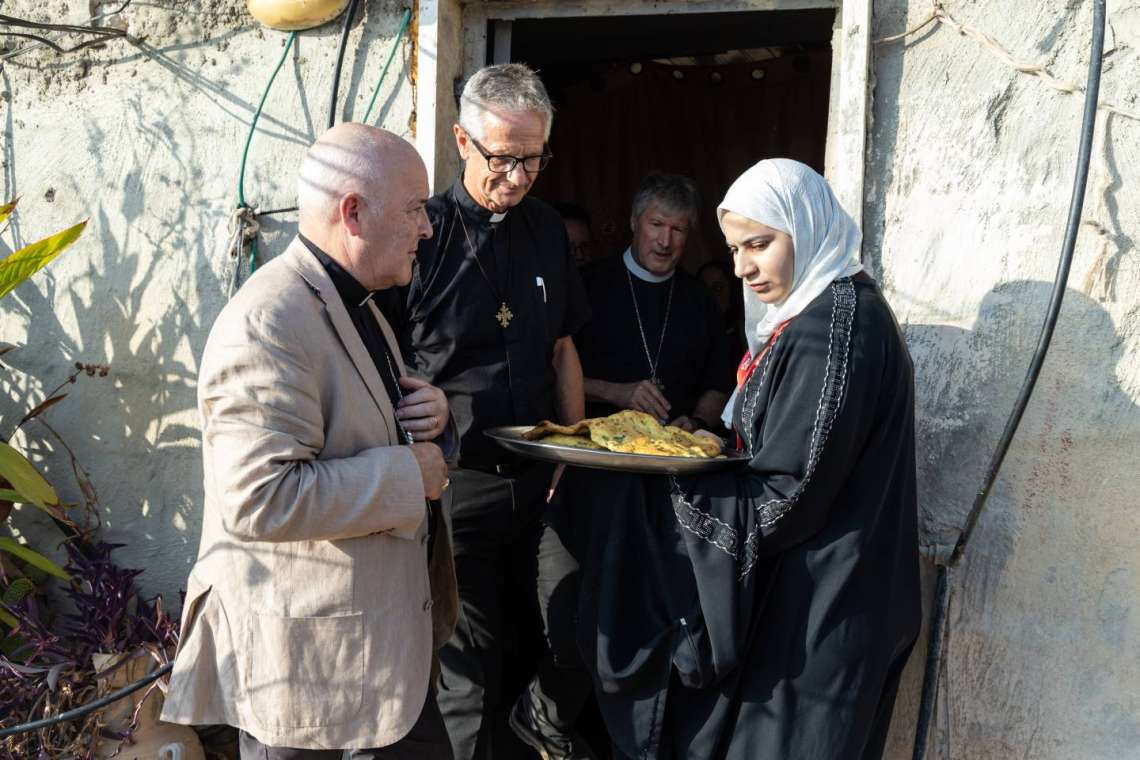
The Archbishop of York reflects on intimidation during a West Bank visit, using his Christmas message to warn against fear, division and the barriers separating people worldwide…reports Asian Lite News
The Archbishop of York has spoken candidly about feeling “intimidated” during a recent visit to the occupied West Bank, using his Christmas message to reflect on fear, division and what he described as the growing inability of societies to recognise shared humanity.
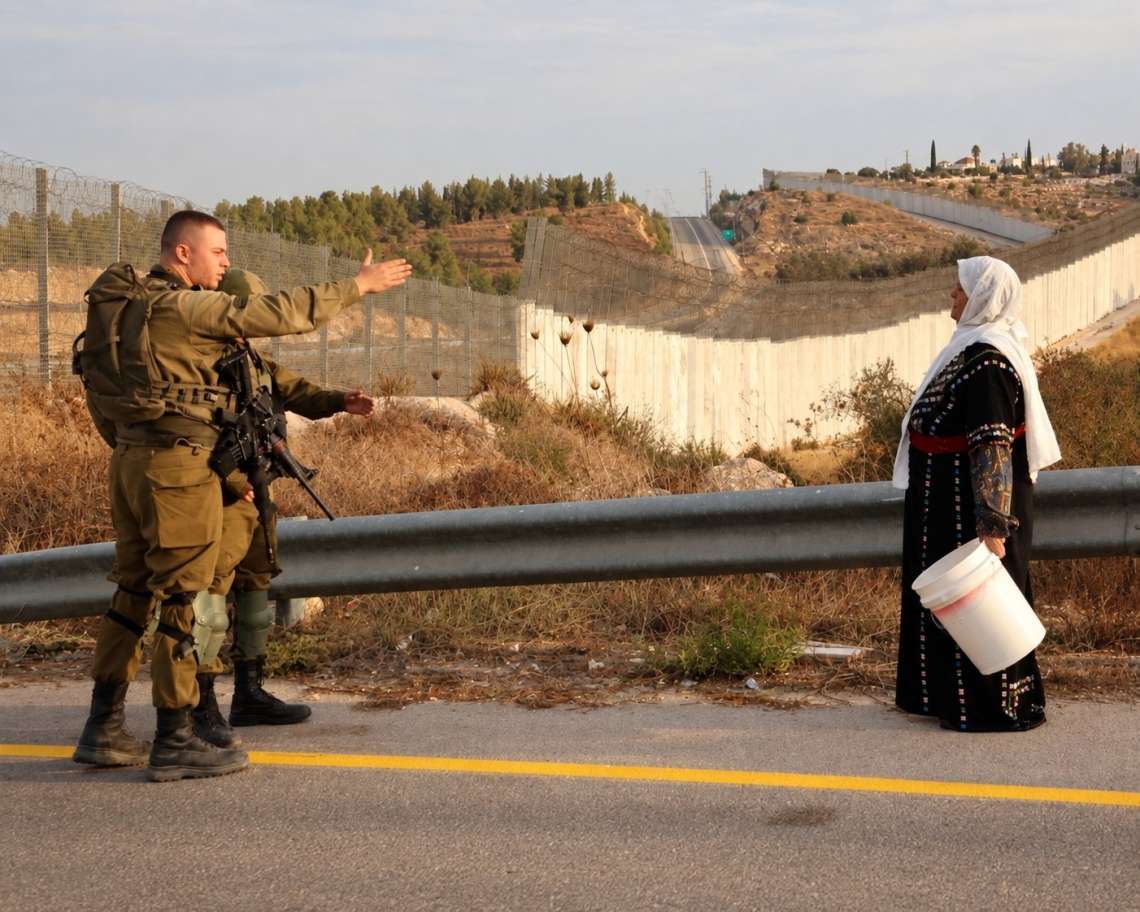
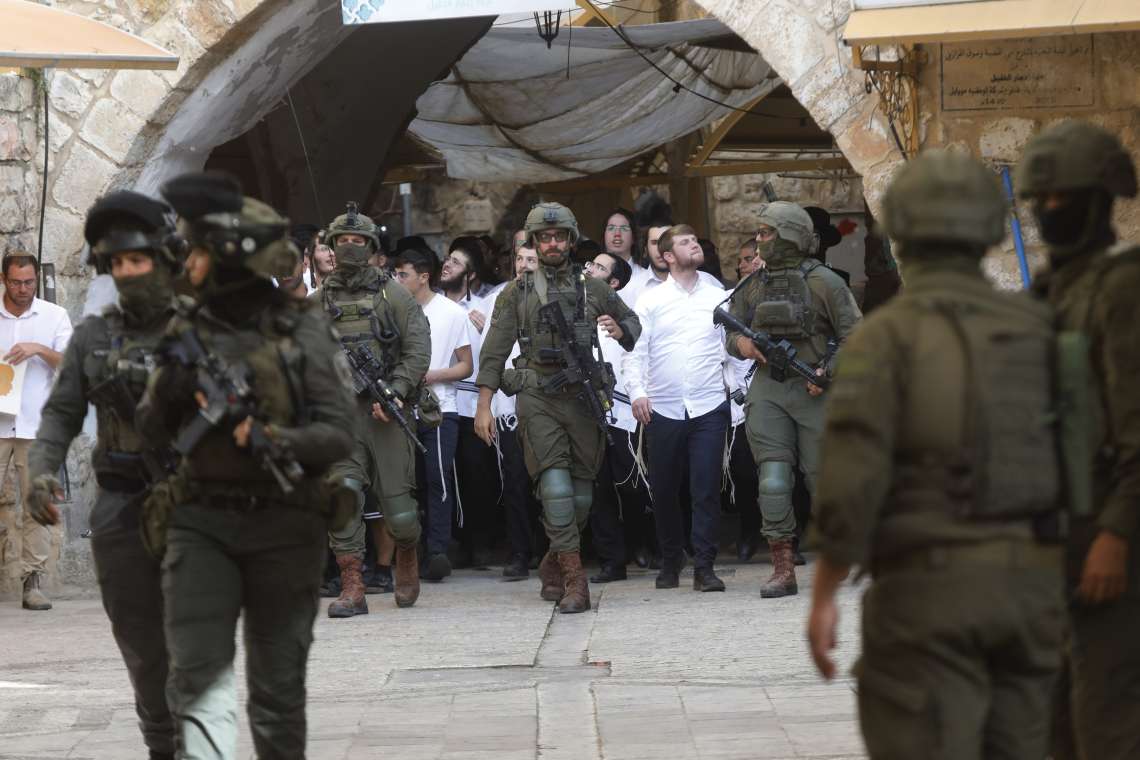
Addressing worshippers at York Minster on Christmas Day, the Most Rev Stephen Cottrell recalled his experiences in the Holy Land earlier this year, where he said his delegation was repeatedly stopped and prevented from visiting Palestinian families. He told the congregation that Israeli militias had intervened at checkpoints, creating an atmosphere that left him and others feeling unwelcome and constrained.
The archbishop said the experience had left a deep impression on him, not only because of the physical barriers encountered but because of what he saw as a wider culture of fear. He said that societies across the world appeared to be increasingly fearful of one another, particularly of those perceived as different or unfamiliar.
Cottrell said people had become fearful of strangers and those who did not fit comfortably into their own communities. He suggested that this fear made it harder for people to see themselves reflected in others, leading to a rejection of common humanity and a breakdown in compassion.
During his visit, the archbishop spent time in Bethlehem with representatives from the YMCA, who work closely with Palestinian communities facing hardship in the West Bank. He recalled being given an olive wood Nativity carving, created by local craftsmen, which left a lasting emotional impact.
The carving depicted the biblical story of the three kings attempting to reach the stable, but blocked by a large grey wall. Cottrell said the image symbolised the barriers that prevent people from reaching one another, both physically and spiritually. He described the moment as especially sobering when he later saw the separation wall in person during his visit.
Reflecting on the symbolism during his Christmas sermon, the archbishop said that while many would naturally think of the walls dividing communities in the Holy Land, he was also thinking about the less visible walls built across the world. He said some of the most alarming barriers were those people constructed within themselves, in their hearts and minds.
He warned that shielding oneself from strangers could lead to moral blindness, particularly towards the homeless, refugees seeking asylum, and young people growing up without opportunity or hope. Cottrell said such fear risked failing to recognise Christ in those who were marginalised or excluded.
The Archbishop of York also expanded on his visit in a Christmas Eve article for the Yorkshire Post, where he described meeting Christian families and church leaders living amid poverty, upheaval and violence. He said their daily struggles were difficult for most people in the UK to fully comprehend.
Cottrell travelled alongside Archbishop Hosam Naoum, the Anglican Archbishop in Jerusalem, whose diocese includes both Gaza and the West Bank. He said spending time with Christian communities in the region was an essential part of his ministry, even though he acknowledged that his presence alone could not alter their circumstances.
He wrote that while he was under no illusion that his words or actions could change daily life for those he met, it mattered that they knew they were not forgotten. He said it was important for them to understand that they remained in the thoughts and prayers of Christians elsewhere, and that solidarity extended beyond political statements.
The archbishop’s remarks come at a time of heightened sensitivity around the conflict in Israel and the Palestinian territories, with faith leaders increasingly using their platforms to call for empathy, dialogue and humanitarian concern. Cottrell’s reflections avoided direct political prescriptions, instead focusing on moral responsibility and spiritual reflection.
Church officials said the archbishop’s Christmas message was intended to challenge complacency and encourage believers to confront fear with compassion. By linking his personal experience in the West Bank to everyday encounters closer to home, he sought to underline that the barriers dividing people were not confined to distant conflict zones.
As worshippers left York Minster, his message served as a reminder that Christmas, he suggested, was not only about celebration but about confronting uncomfortable truths and rediscovering a shared humanity too often obscured by fear.