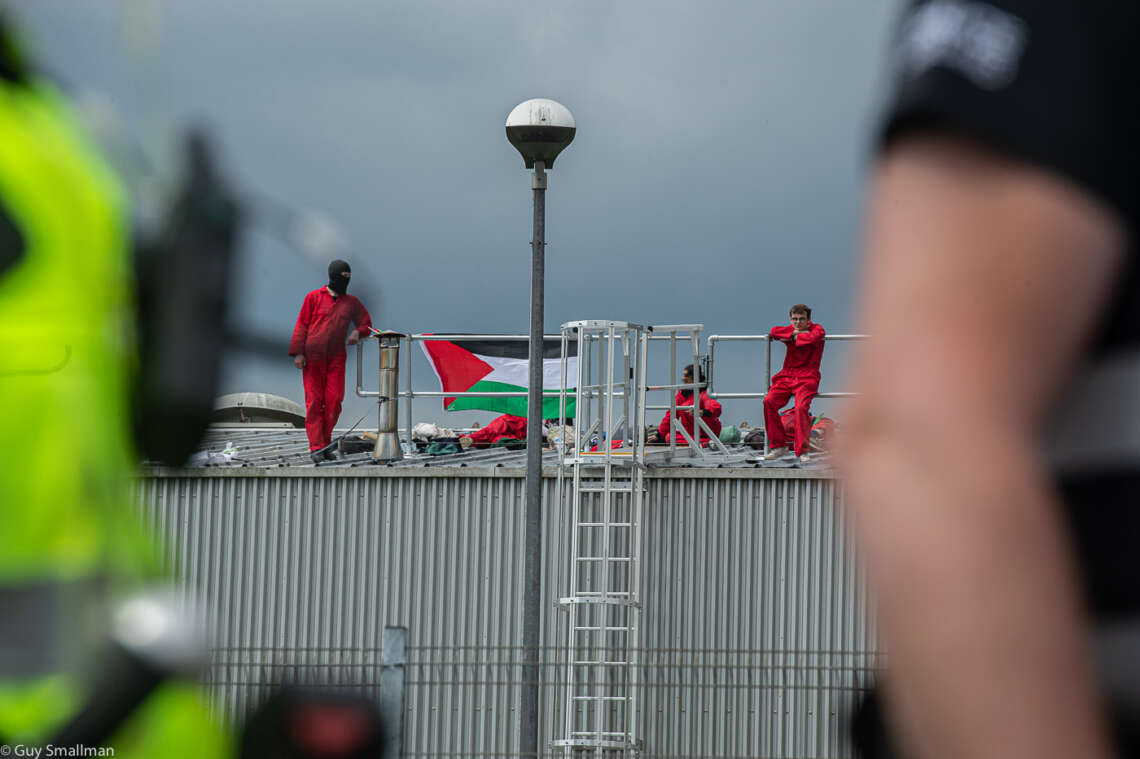
The ban was introduced under the UK’s Terrorism Act 2000 and took effect earlier this month following an incident in which activists from Palestine Action broke into an air force base in southern England
The United Nations High Commissioner for Human Rights, Volker Turk, has strongly condemned the UK government’s decision to ban the activist group Palestine Action, describing it as a “disturbing” misuse of counter-terrorism legislation. In a statement released on Friday, Turk urged the British government to rescind its move, arguing that the ban appears disproportionate and unnecessary.
The ban was introduced under the UK’s Terrorism Act 2000 and took effect earlier this month following an incident in which activists from Palestine Action broke into an air force base in southern England. During the breach, two aircraft were sprayed with red paint, causing an estimated £7.0 million ($9.55 million) in damage. However, Turk’s statement highlighted that the ban raises serious concerns about the application of counter-terrorism laws to conduct that is not terrorist in nature. He warned that this could hinder the legitimate exercise of fundamental freedoms across the UK.
Turk emphasized that, according to international standards, terrorist acts should be confined to criminal acts intended to cause death or serious injury, or to the taking of hostages, for the purpose of intimidating a population or compelling a government to take a certain action. He pointed out that the ban on Palestine Action makes it a criminal offense to be a member of the group, to express support for it, or to wear items of clothing that would arouse “reasonable suspicion” that the person is a member or supporter of the group.
The UN rights office reported that UK police have arrested at least 200 people during protests, many of them peaceful, over the ban since it took effect. Palestine Action itself has condemned its outlawing as an attack on free speech, noting that it makes it a criminal offense to belong to or support the group, punishable by up to 14 years in prison.
Turk agreed with Palestine Action’s condemnation, stating that the ban limits the rights of many people involved with and supportive of the group who have not themselves engaged in any underlying criminal activity. Instead, these individuals have exercised their rights to freedom of expression, peaceful assembly, and association. Turk argued that the ban appears to constitute an impermissible restriction on these rights, which is at odds with the UK’s obligations under international human rights law.
The rights chief warned that the government’s decision also conflates protected expression and other conduct with acts of terrorism. This, he said, could readily lead to a further chilling effect on the lawful exercise of these rights by many people. Turk urged the UK government to rescind its decision to proscribe Palestine Action and to halt investigations and further proceedings against protesters who have been arrested on the basis of this proscription.
Furthermore, Turk called on the UK government to review and revise its counter-terrorism legislation, including its definition of terrorist acts, to bring it fully in line with international human rights norms and standards. He emphasized the importance of ensuring that counter-terrorism measures do not infringe upon fundamental freedoms and human rights.
The UN’s condemnation of the UK’s ban on Palestine Action has sparked a broader debate about the balance between national security and the protection of civil liberties. Critics argue that the use of counter-terrorism legislation in this context sets a dangerous precedent and undermines the principles of freedom of expression and association. On the other hand, supporters of the ban argue that it is necessary to protect national security and prevent further acts of vandalism and disruption.
As the UK government faces increasing pressure from international bodies and civil society, the decision to ban Palestine Action has highlighted the complexities and challenges of navigating counter-terrorism measures while upholding human rights. The outcome of this situation will likely have significant implications for the future application of counter-terrorism legislation and the protection of fundamental freedoms in the UK.