India renews push for UN reforms, calling for stronger Global South representation and a fairer financial system while reaffirming commitment to multilateralism amid global uncertainty, reports Asian Lite Newsdesk
India has reaffirmed its commitment to multilateralism and renewed its call for amplifying the voice of the Global South during a series of high-level engagements at the United Nations headquarters.
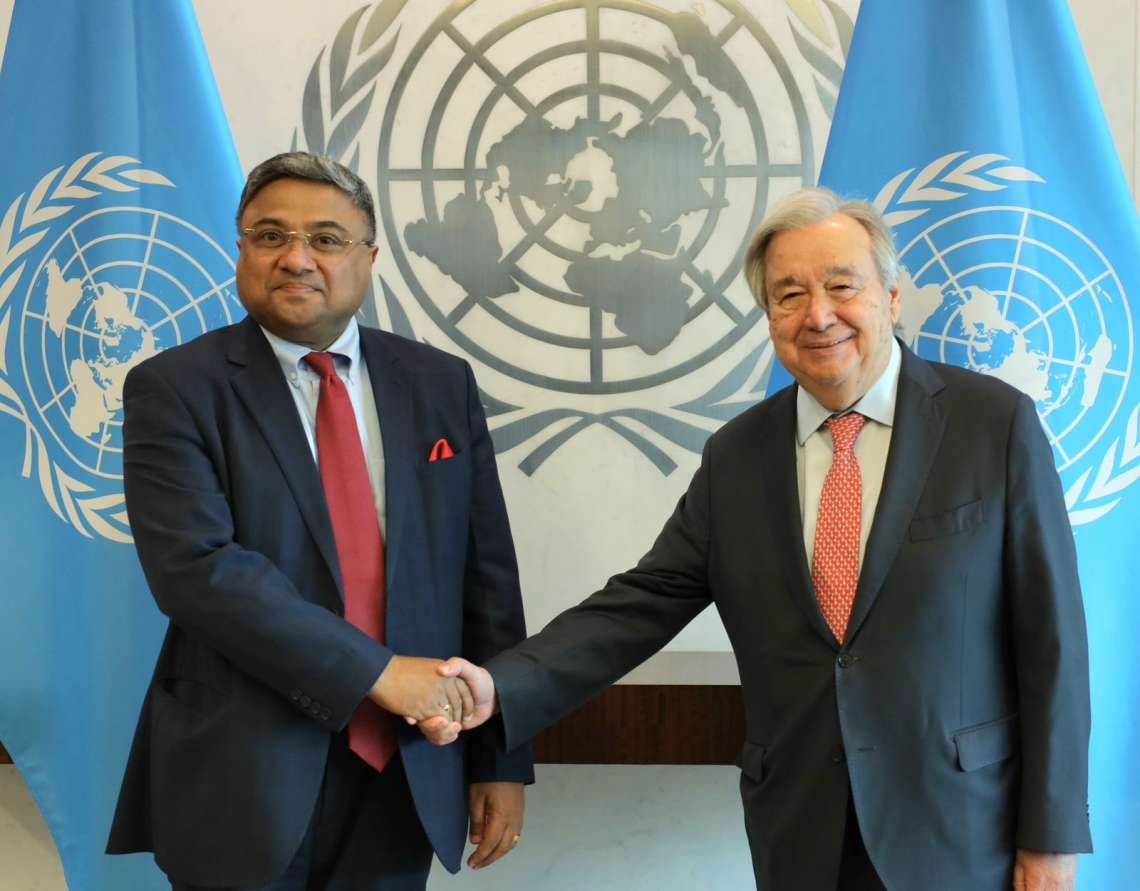
The message was conveyed as Secretary (West) Sibi George met with UN Secretary-General Antonio Guterres to discuss pressing global challenges, including the long-debated issue of institutional reform within the UN system. According to Ministry of External Affairs spokesperson Randhir Jaiswal, India used the opportunity to underline its consistent support for a rules-based multilateral order.
The discussions focused in part on reforming the United Nations to better reflect contemporary geopolitical realities. India reiterated that developing countries, particularly those in the Global South, remain underrepresented in key decision-making bodies, and called for corrective measures to address this imbalance. New Delhi has long argued that global governance institutions must evolve in line with shifting economic and political dynamics.
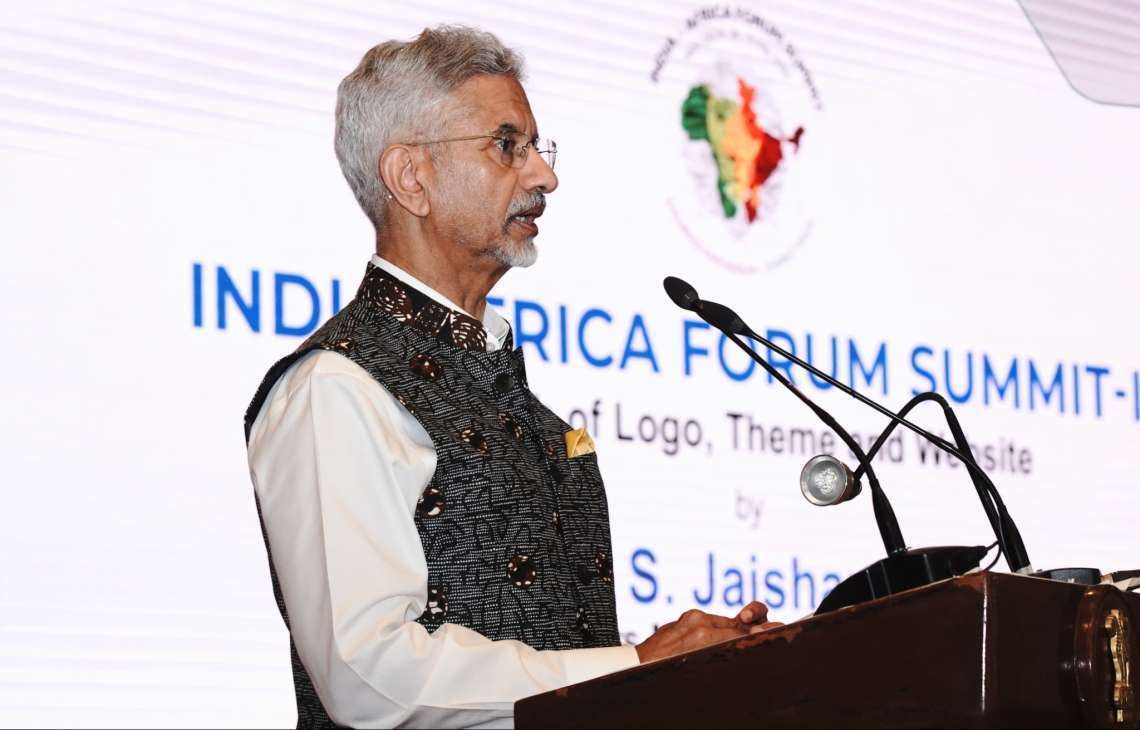
This position was further reinforced during the Intergovernmental Negotiations on United Nations Security Council reform, where India once again pressed for expansion in both permanent and non-permanent membership categories. Delivering India’s national statement at the meeting, George highlighted the urgent need to ensure that the Security Council better represents the developing world, including Africa.
India pointed to convergence between its own reform proposals and the African position, signalling growing alignment among developing nations on restructuring the Council. Officials stressed that without meaningful reform, the legitimacy and effectiveness of the Security Council could be undermined in addressing contemporary global crises.
Beyond institutional reform, India also raised concerns about structural imbalances in global financial systems during the ECOSOC Forum 2026 on financing for development. In its national statement, India underscored the need for a more inclusive and development-oriented global financial architecture capable of addressing widening inequalities.
Indian representatives highlighted the significant funding gap facing the implementation of the Sustainable Development Goals, estimated at around $4 trillion annually. They argued that bridging this gap would require comprehensive reforms of international financial institutions, improved access to capital for developing countries, and enhanced representation of the Global South in global financial decision-making.
India also emphasised the role of digital public infrastructure as a tool to accelerate development outcomes, citing its own experience in deploying scalable, technology-driven solutions. Such initiatives, officials said, could play a crucial role in delivering commitments under international frameworks, including the Sevilla Commitment on development financing.
The India-UN Development Partnership Fund was also referenced as a practical example of India’s contribution to multilateral development efforts. Through this initiative, India has supported projects across various developing countries, reinforcing its broader engagement with the Global South.
The renewed push for multilateral reform comes at a time when the international system is facing increasing strain from geopolitical rivalries, economic fragmentation and protracted conflicts. India has consistently argued that a more representative and inclusive multilateral framework is essential to effectively address these challenges.
New Delhi’s position reflects its broader foreign policy approach, which seeks to balance strategic autonomy with active engagement in global governance. By advocating for reforms that enhance equity and representation, India aims to position itself as a leading voice for developing nations while contributing to a more stable and cooperative international order.