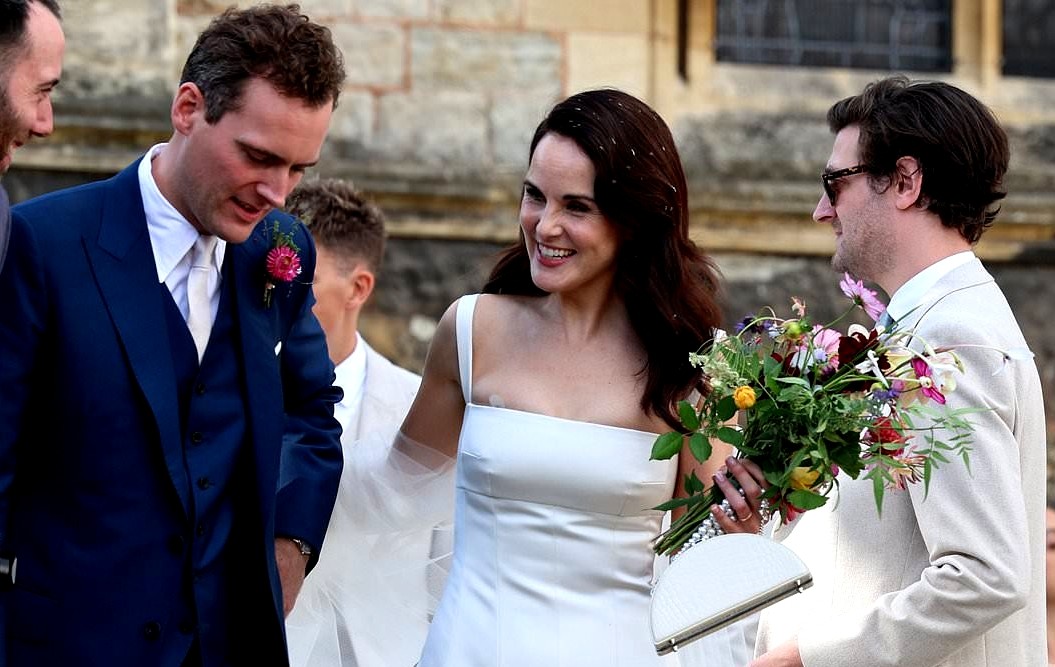
Government unveils sweeping marriage law reforms to modernise ceremonies, boost inclusivity and deliver a £535m lift to the economy…reports Asian Lite News
In what is being billed as the biggest shake-up of marriage law in more than a century, couples in England and Wales will soon be able to tie the knot on beaches, heritage sites and other unconventional venues under sweeping reforms announced today.
The government said the overhaul would allow weddings to take place in a far broader range of locations, provided they met new standards ensuring the events remained “appropriate and dignified”. The changes are intended to make marriage law reflect modern Britain while boosting inclusivity, cutting costs for couples, and driving significant growth in the wedding industry.
Currently, marriage in England and Wales is heavily regulated, with most ceremonies confined to religious buildings or state-approved premises such as register offices and licensed venues. By shifting regulation away from the buildings themselves and placing the focus instead on officiants, the reforms are designed to give couples far greater freedom to shape their big day while maintaining the solemnity of the occasion.
The government estimates that the reforms could lead to a three per cent increase in weddings across the two nations, potentially adding £535 million to the economy over the next decade, supporting 1,800 additional businesses and creating around 12,000 jobs. In pure fiscal terms, the Treasury expects a boost of more than £100 million to the public purse.
Baroness Levitt KC, Minister for Family Law, described marriage as “one of our country’s most celebrated traditions” and said the reforms would give couples the chance to have the wedding they had always dreamed of.
“Our reforms will protect the solemnity and dignity of marriage while providing more choice for couples and unlocking untapped opportunities for the economy,” she said.
Alex Davies-Jones, the Minister for Victims and Tackling Violence Against Women and Girls, also welcomed the changes, recalling her own wedding as an “incredibly special” and deeply personal day.
“Every couple deserves the same,” she said. “Our wedding laws should match our country’s needs. These vital reforms will mean couples from all walks of life can celebrate their commitment without outdated restrictions getting in the way.”
The reforms are also set to widen legal recognition of religious and non-religious ceremonies. For the first time, Humanist weddings would be recognised in law, granting them the same status as other forms of marriage. In addition, religious communities that currently face barriers in conducting legally binding ceremonies, such as Sikhs, Muslims, Buddhists and Hindus, will be able to see their rites given equal legal footing.
The Law Commission first recommended an overhaul in July 2022, urging ministers to modernise an area of law that critics had long dismissed as outdated and unnecessarily restrictive. Couples currently find themselves bound by rules that dictate not only where they can marry but also the precise form their ceremonies must take.
The new proposals are intended to sweep away those hurdles. Weddings could take place outdoors, on clifftops, or at historic landmarks, as long as officiants meet strict conditions and are authorised to ensure the ceremony’s integrity. Ministers stress that the dignity of marriage will remain central, even as options expand.
Industry insiders have hailed the reforms as a potential boon for tourism and the events sector. By opening up a wider range of locations, from coastal resorts to heritage estates, they predict that wedding-related spending on venues, catering, accommodation and travel could rise sharply, especially as overseas couples consider Britain as a wedding destination.
Critics, however, have warned of potential pitfalls. Some fear that broadening the definition of acceptable venues could lead to legal disputes over what constitutes an “appropriate and dignified” setting. Others have raised concerns about the cost of training and accrediting new officiants, and the risk of uneven standards in ceremonies.
Nonetheless, the government is pressing ahead. A public consultation is planned for early next year to iron out details before legislation is introduced “when parliamentary time allows”. Officials say this staged approach will help balance freedom of choice with safeguards that ensure the legal and cultural integrity of marriage.
The reforms also form part of a wider “Plan for Change” aimed at kickstarting growth by reducing bureaucracy and modernising outdated laws. Ministers hope that by creating jobs and giving couples more affordable and inclusive options, the measures will resonate well beyond the wedding industry.
For many engaged couples, the changes could not come soon enough. At present, those wishing for ceremonies that reflect their culture, faith or beliefs often face the expense of arranging two events: one for religious or symbolic purposes, and another civil ceremony to satisfy legal requirements. Under the new framework, both could be combined into a single, legally binding occasion.
In practice, that could mean a Muslim nikah, a Hindu mandap ceremony, a Buddhist rite or a Humanist gathering would, for the first time, carry the same legal weight as a Christian church service or a civil ceremony at a register office.
As the government moves to modernise marriage law, supporters argue the changes will finally bring wedding traditions into line with the realities of a diverse, 21st-century Britain. Whether by the sea, under the stars, or within the walls of a centuries-old castle, couples will soon have more freedom than ever before to choose how and where they say “I do”.