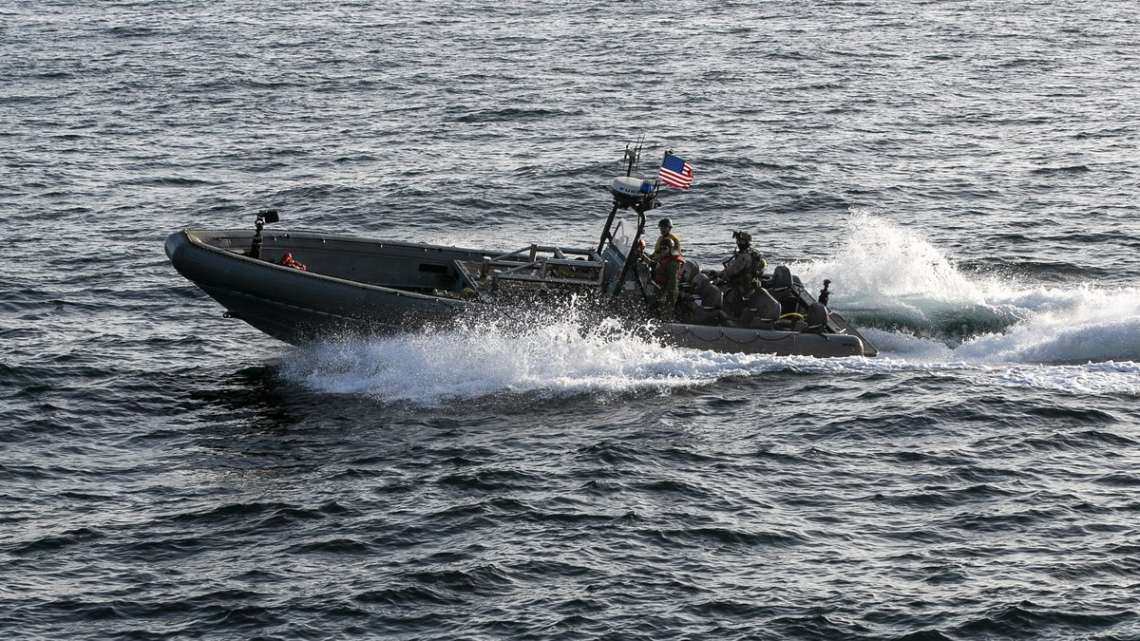
Trump extends Iran ceasefire amid failed talks, naval blockade tensions and Hormuz crisis, while Tehran rejects negotiations and global oil markets brace uncertainty, reports Asian Lite Newsdesk
Amid a fragile geopolitical standoff between the United States and Iran, President Donald Trump unilaterally extended a ceasefire arrangement “indefinitely”, even as Tehran refused to return to the negotiating table and tensions over key maritime routes escalated.
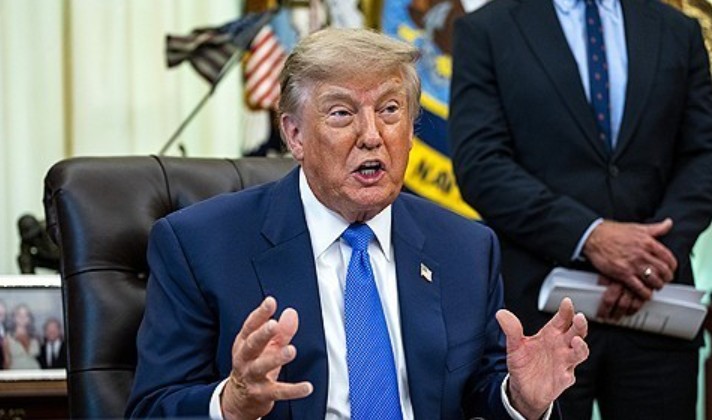
According to statements released from New York, US President Donald Trump said the extension was necessary because Iran remained “seriously fractured” and unable to present a unified position. The announcement came just hours before the previous ceasefire period was set to expire.
The move follows days of sharply escalating rhetoric. Trump had earlier warned in a CNBC interview that he would not extend the truce and even suggested possible military action if no agreement was reached. However, in a post on Truth Social, he reversed course, citing what he described as internal divisions within Iran.
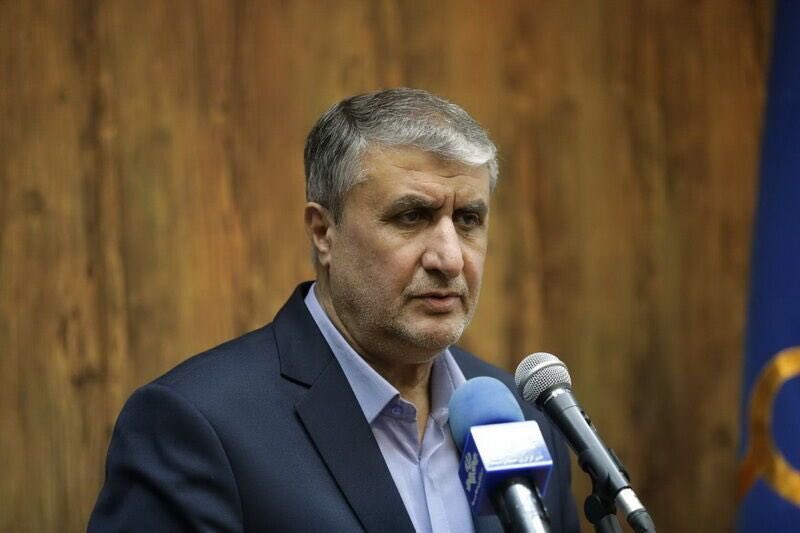
At the centre of the crisis is the stalled diplomatic track between Washington and Tehran, with a second round of talks reportedly expected in Islamabad failing to materialise after Iran declined to attend. Iranian officials, through state-linked outlets including PressTV and Tasnim News Agency, rejected the idea of negotiations under pressure and demanded the lifting of what they described as a naval blockade.
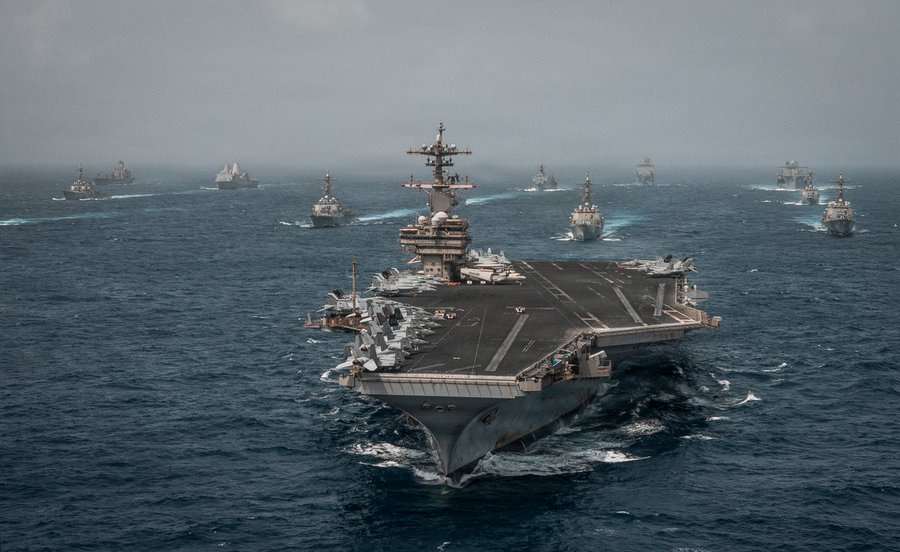
The dispute has focused heavily on the Strait of Hormuz, a critical global energy chokepoint through which nearly 20 per cent of global oil and gas flows. Iran has accused the United States of maintaining a blockade, while signalling it will not reopen the waterway under coercion. Reports indicate the Islamic Revolutionary Guard Corps has tightened control over the region, further heightening global energy security concerns.
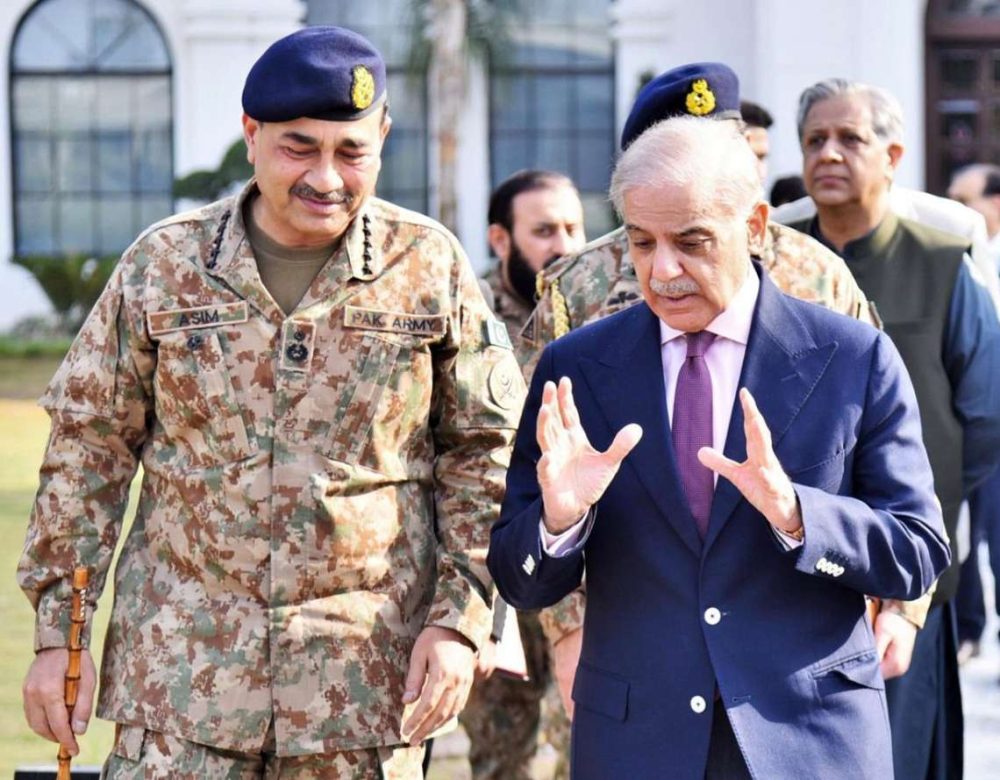
Pakistan has emerged as a key intermediary in the process, with officials confirming that Iran will not attend the proposed talks in Islamabad. Trump also referenced the role of Pakistan’s leadership, including military chief Asim Munir and Prime Minister Shehbaz Sharif, in urging restraint and delaying military action while negotiations continue.
Despite diplomatic efforts, the situation remains highly volatile. US Vice President J.D. Vance, who has been involved in the negotiation process, reportedly delayed travel plans amid uncertainty over Iran’s participation.
Iranian officials insist they will not resume talks while sanctions and maritime restrictions remain in place, warning that any continued blockade could be met with force. Meanwhile, hardline elements within Tehran’s military establishment have issued counter-threats, signalling no immediate willingness to de-escalate.
The broader geopolitical backdrop remains complex. Trump has repeatedly claimed that recent military strikes had weakened Iran’s leadership structure, though Tehran has maintained continuity within its command hierarchy.
The situation has also begun to reflect domestic political pressure in the United States, where public opinion on continued military involvement remains divided ahead of upcoming elections.