The report says that despite Pakistan’s efforts to recast its global image as a mediator in US Iran tensions, the security reality remains unchanged….reports Asian Lite News
A year after the deadly Pahalgam terror attack, Pakistan continues to serve as a safe haven for extremist groups despite attempts to project itself as a diplomatic mediator in global conflicts, according to a new report.
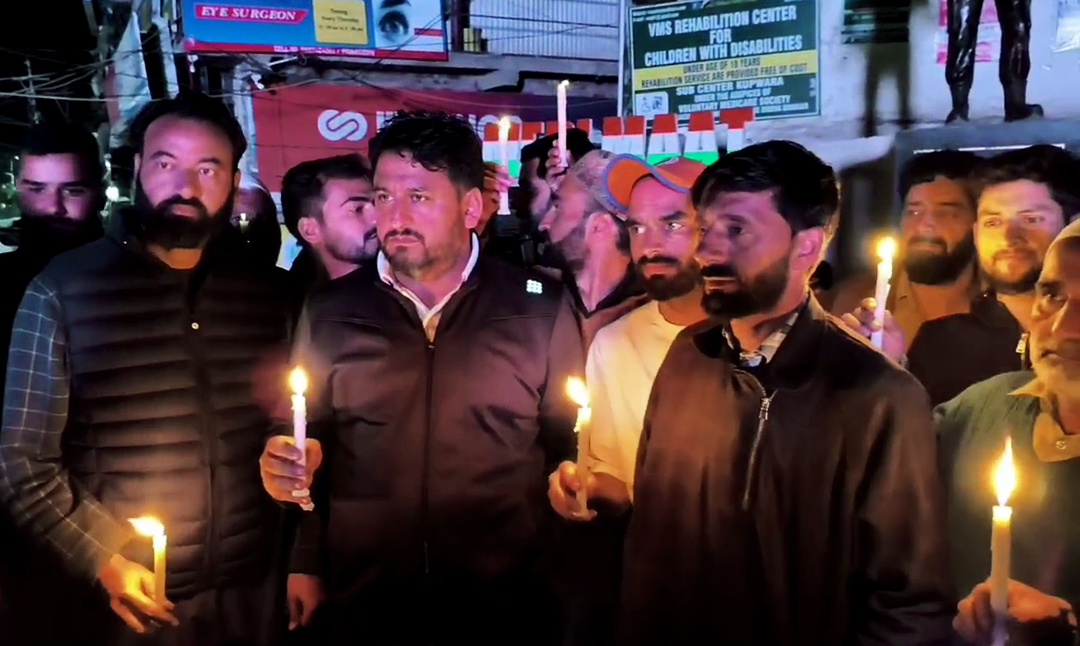
The April 22, 2025 attack in Pahalgam, which left 26 civilians dead, is described not as an isolated घटना but as part of a sustained and structured pattern of violence. The report identifies The Resistance Front, widely seen as an offshoot of Lashkar-e-Taiba, as central to this network of proxy operations.
According to the analysis published in Eurasia Review, these groups form part of a broader strategy aimed at destabilising the region, maintaining persistent tension, and undermining prospects for peace in Jammu and Kashmir.
Author Staikou Dimitra said the Pahalgam attack exposed the systematic targeting of civilians, noting that victims were reportedly segregated on religious lines before being killed. She argued that such incidents reflect the continued use of terrorism as a deliberate instrument of political pressure.
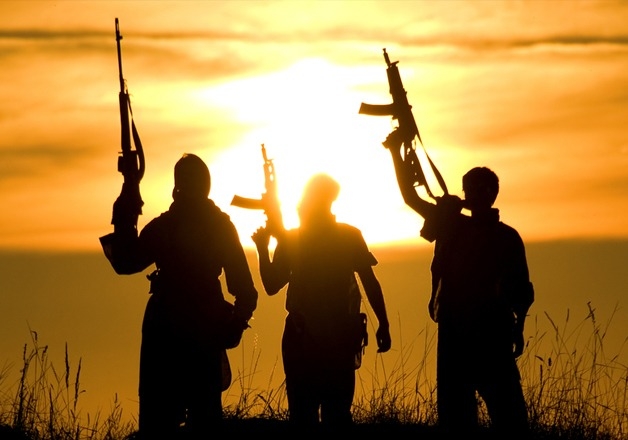
The report adds that while Pakistan seeks to improve its global image, including by positioning itself as a mediator in tensions between the United States and Iran, the underlying security reality has not changed.
Recent violence within Pakistan itself underscores the persistence of militant activity. Multiple attacks in early 2026, including a mosque bombing that killed over 30 people, the deaths of police personnel in separate blasts, and coordinated assaults in Balochistan, point to an entrenched cycle of violence.
The report links this surge in activity to broader regional dynamics, suggesting that renewed militancy coincides with a period of relative stability and economic progress in Jammu and Kashmir following recent elections.
It further highlights evolving methods of terror financing, with networks increasingly relying on encrypted transactions, digital wallets and cryptocurrencies, making detection and disruption more difficult.
In addition, the report notes what it describes as the “mainstreaming” of extremist organisations. Groups such as Jaish-e-Mohammad have reportedly expanded recruitment efforts and social outreach, including the creation of a women’s wing to spread ideology and mobilise support.
Meanwhile, Lashkar-e-Taiba is said to have broadened its operational capabilities by developing specialised units, including maritime focused wings, alongside continued recruitment drives and public mobilisation campaigns.
These developments, the report concludes, indicate that militant organisations are no longer operating solely in the shadows but are increasingly embedded within broader social structures, allowing them to sustain recruitment and perpetuate radicalisation.
One year on from Pahalgam, the findings suggest that the infrastructure of militancy remains intact, continuing to pose a serious challenge to regional stability.