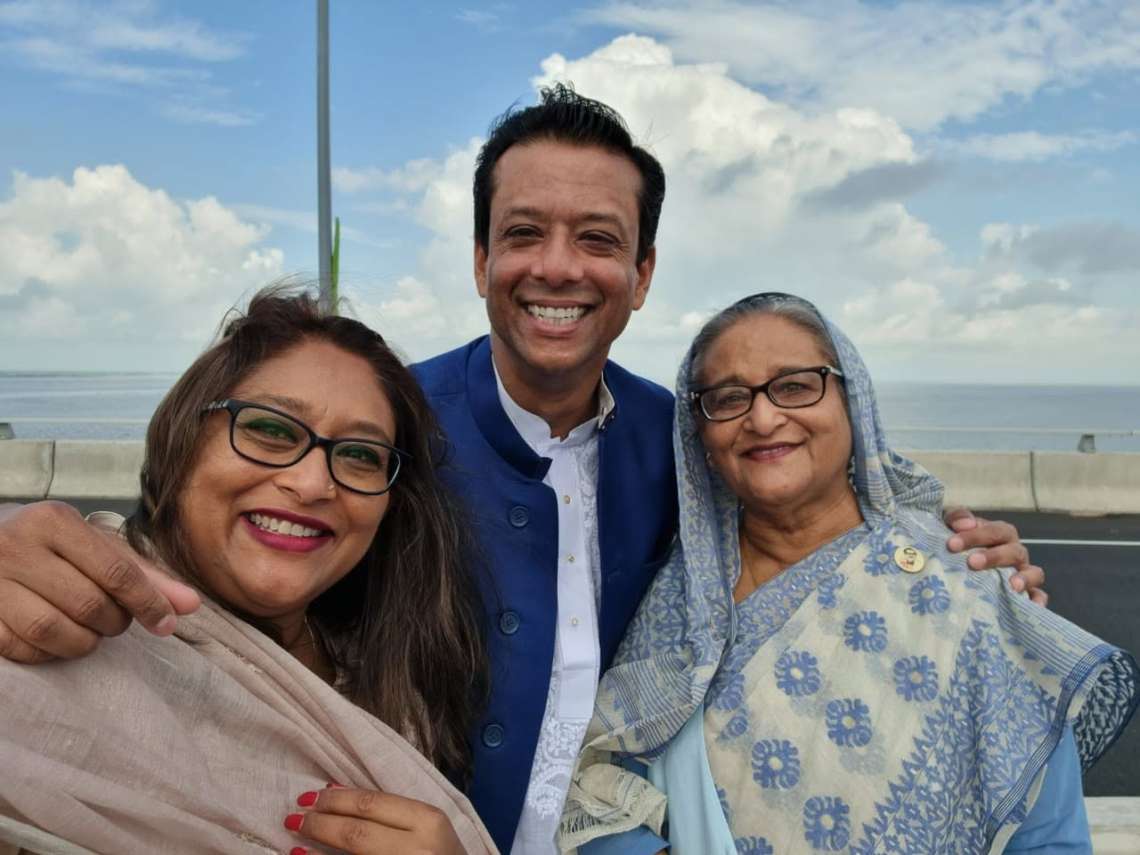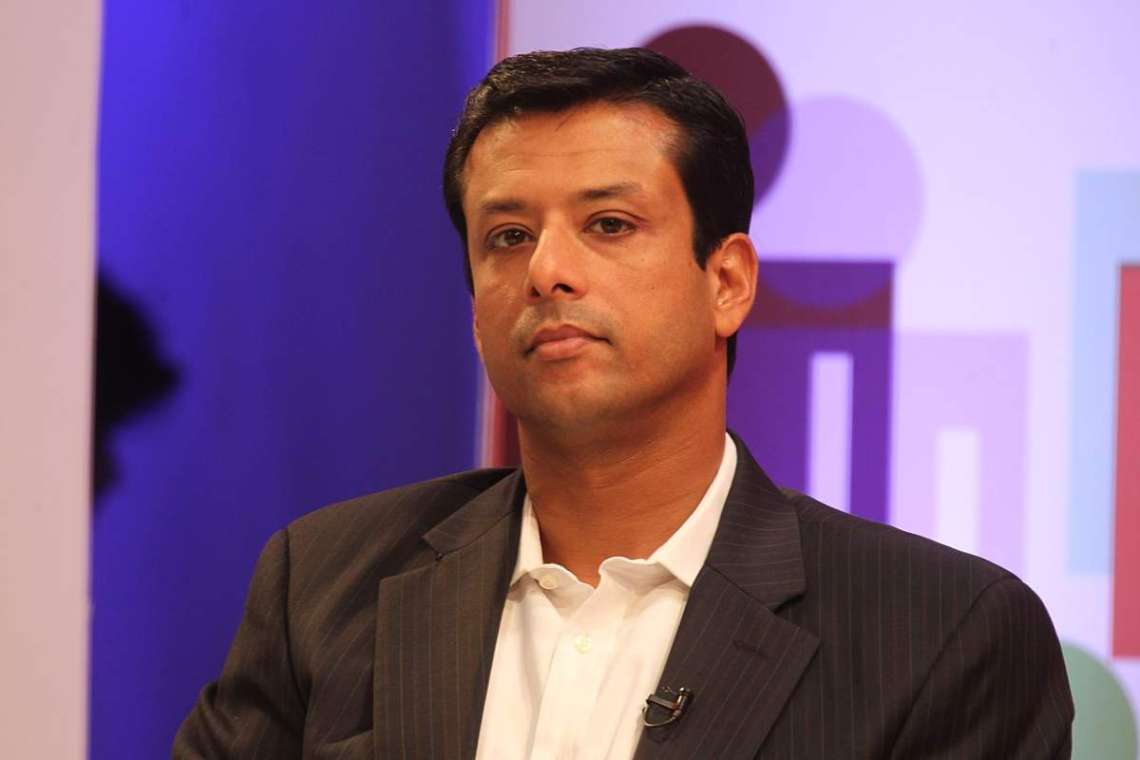
Sajeeb Wazed, the son of Bangladesh’s former PM Sheikh Hasina has strongly defended his mother’s record and rejected allegations of ordering a deadly crackdown on protesters, as he faces tough questioning over repression, corruption and the future of the Awami League ahead of upcoming elections.
Speaking to journalist Srinivasan Jain in Washington DC, Sajeeb Wazed, widely known as Joy, insisted that the Awami League had “mishandled” the mass protests that led to Hasina’s dramatic removal from power in August 2024, but denied that she authorised lethal force against demonstrators.
“She did not order any killings,” Wazed said, arguing that if his mother had been willing to kill protesters indiscriminately, “she would still be in power”. He claimed Hasina had sought to avoid bloodshed, even as protesters advanced towards the prime minister’s residence, and said police officers who used excessive force were suspended and investigations launched.
However, Jain challenged Wazed repeatedly over widely documented evidence of abuses, including UN findings, BBC and Al Jazeera investigations, and footage of unarmed protesters being shot. He cited cases such as Abu Sayeed, a 25-year-old student killed at close range, and 12-year-old Zobed Hossain Iman, who was reportedly shot from a helicopter. Wazed acknowledged that innocent people had died but rejected claims that the political leadership directed the violence, calling the UN report “biased” and accusing international media of taking audio clips out of context.
The interview comes amid a deep political crisis in Bangladesh, where the Awami League has been banned from contesting elections for the first time in the country’s history. Wazed said the ban was “undemocratic” and accused the interim authorities of suppressing protests, jailing tens of thousands of party activists and presiding over a “completely rigged” election process.
While he denied threatening violence, Wazed warned that continued repression would inevitably provoke unrest. “If you back someone into a corner, what do you think will happen?” he said, though he insisted the party was not directing attacks and was currently urging supporters to boycott the vote rather than confront security forces.
Jain also questioned Wazed about allegations that Awami League figures were involved in corruption on a massive scale, including claims that family members and ministers accumulated vast overseas assets. Wazed denied all personal wrongdoing, saying US authorities would not have granted him citizenship if allegations were credible. He also defended his cousin, UK MP Tulip Siddiq, who resigned from a ministerial role amid political pressure but was later cleared by a UK watchdog.
On Sheikh Hasina’s current exile in India, Wazed said she was safest there and rejected suggestions she should seek another country. He dismissed Bangladesh’s request for her extradition, arguing that convictions against her were rushed, politically motivated and would not meet India’s legal standards.
Despite acknowledging mistakes during his mother’s 17 years in power, Wazed insisted the Awami League had a future and retained the support of up to half the electorate. He confirmed that Hasina intends to retire from politics, marking “the end of the Hasina era”, but said the party would continue without her.
“Why not put it to a fair vote and let the people decide?” he said, arguing that economic growth, security and stability under Awami League rule were unmatched in Bangladesh’s history—claims that remain fiercely contested in a country still grappling with the aftermath of a violent uprising and a deeply polarised political landscape.