October 7, 2026
2 mins read

Pakistan Prisons Packed As 73% Await Trial

Nearly three-quarters of Pakistan’s prisoners were awaiting trial in 2024, as overcrowding and delays in the criminal justice system continue to put pressure on prisons….reports Asian Lite News Desk

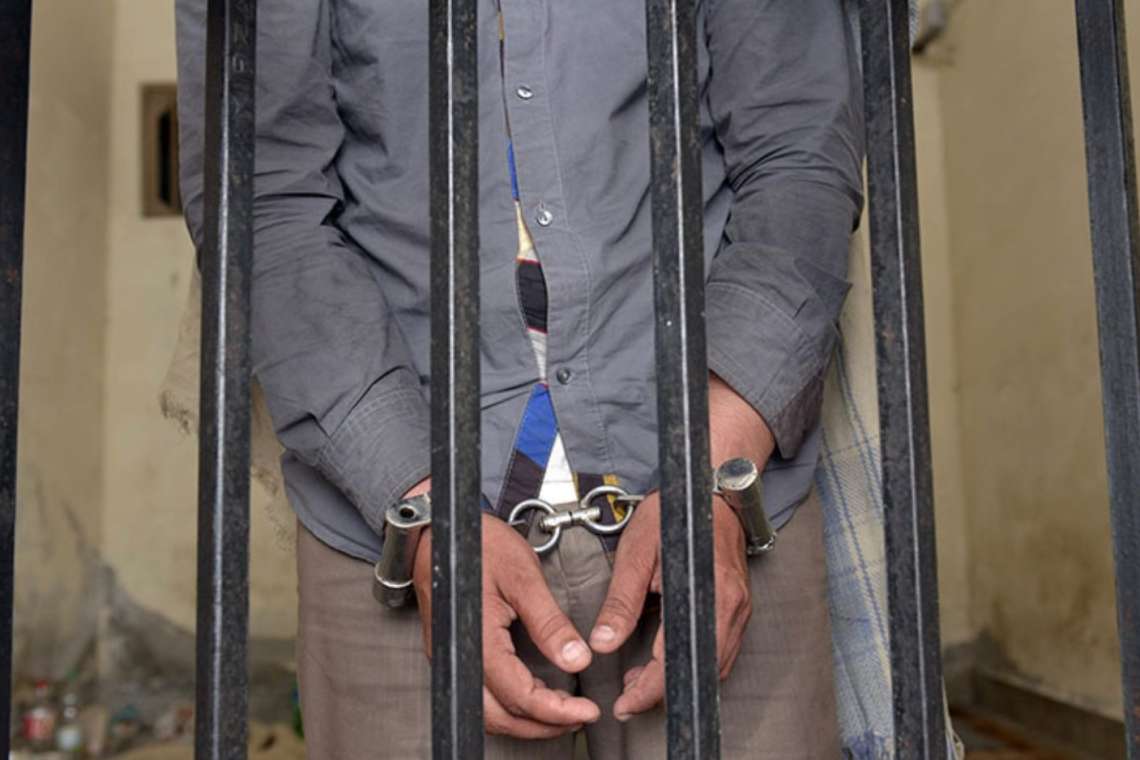
Pakistan’s prisons are facing severe overcrowding, with nearly three-quarters of inmates held without conviction, according to a policy paper by the Human Rights Commission of Pakistan (HRCP).

The report, titled Beyond the Prison Wall: Reducing Overcrowding in Pakistan’s Prisons, found that under-trial prisoners accounted for 73.41 per cent of the country’s prison population in 2024, up from 66 per cent in 2017, The Express Tribune reported.

The findings point to mounting pressure on Pakistan’s criminal justice system, with a large proportion of inmates remaining in custody while awaiting trial.

The report also highlighted the scale of overcrowding across the country. During July and August 2024, prisons were operating at an average of 152.2 per cent of their officially approved capacity.

The HRCP said increasing prison capacity alone would not resolve the problem, identifying weaknesses within the criminal justice system as major contributors to overcrowding.

These include shortcomings in bail procedures, lengthy trials and the excessive use of pre-trial detention. Arbitrary arrests, slow investigations and prolonged prosecution were also identified as factors contributing to the growing number of under-trial prisoners.

Punjab was highlighted as facing particularly acute overcrowding.

According to official prison figures cited in the HRCP report, Punjab housed 74,773 prisoners across 45 prisons in September 2026, against a sanctioned capacity of 39,204 inmates. The occupancy rate stood at 190.73 per cent.

Of the total prison population in the province, 54,932 prisoners were awaiting trial.

The report noted that Punjab has invested significantly in expanding its prison infrastructure, including through the construction of additional prisons, barracks and other facilities.

However, the expansion has failed to keep pace with the increase in the inmate population.

In 2010, Punjab had 52,803 prisoners compared with a capacity of 21,527. Overcrowding in the province stood at 173.6 per cent in 2024, according to figures cited by The Express Tribune.

The HRCP argued that the growing prison population cannot be addressed solely by building more facilities. It called attention to delays throughout the criminal justice process, particularly the time taken for investigations and court proceedings.

Many accused people spend months or years in detention while waiting for investigations to be completed or cases to proceed through the courts, the report said.

The findings underline the need for reforms aimed at reducing unnecessary pre-trial detention and improving the efficiency of the justice system.

The HRCP’s assessment comes as Pakistan continues to grapple with prison overcrowding, placing additional pressure on existing facilities and highlighting the wider challenges faced by the country’s criminal justice system.

Previous Story

India, Kazakhstan Step Up Strategic Engagement

Next Story

Was Imran Khan On Guterres’ Pakistan Agenda?

Previous Story

India, Kazakhstan Step Up Strategic Engagement

Next Story

Was Imran Khan On Guterres’ Pakistan Agenda?

Latest from Asia News

Economic tide is turning in Bangladesh

If there is one thing that can bring some comfort to the struggling Bangladeshi economy, it is good relations with India. Bangladesh should remember that Delhi’s backing, through easy supplies of essentials

DP World Lands 15-Year Bangladesh Port Deal

The agreement between the Chittagong Port Authority (CPA) and DP World covers the New Mooring Container Terminal…reports Asian Lite News Desk Bangladesh has signed a 15-year concession agreement with global ports operator

Nepal Floods Cause $1.66 Billion In Damage, Says World Bank

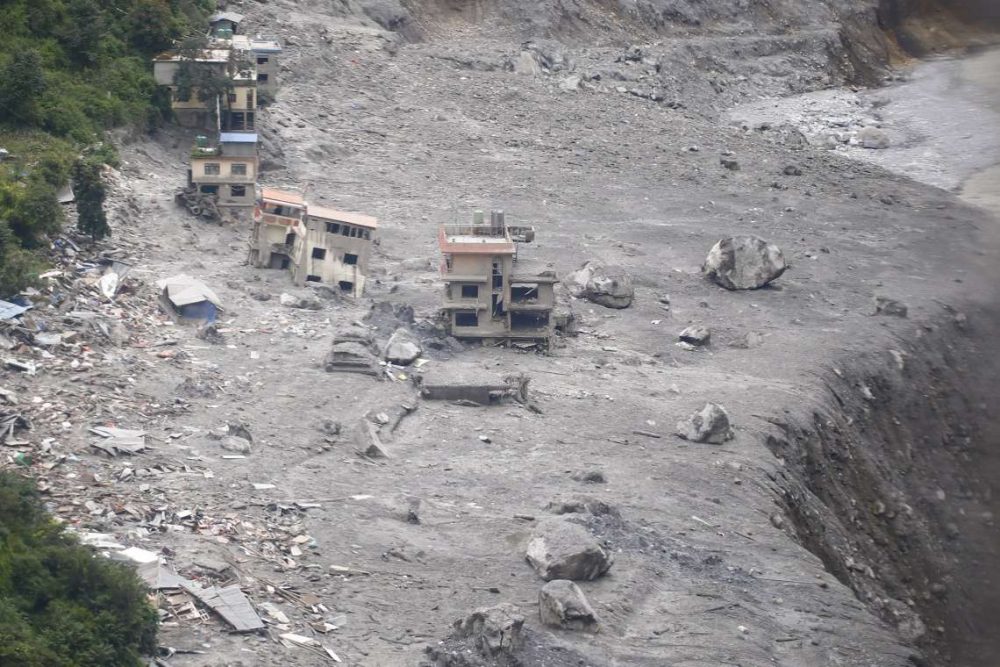
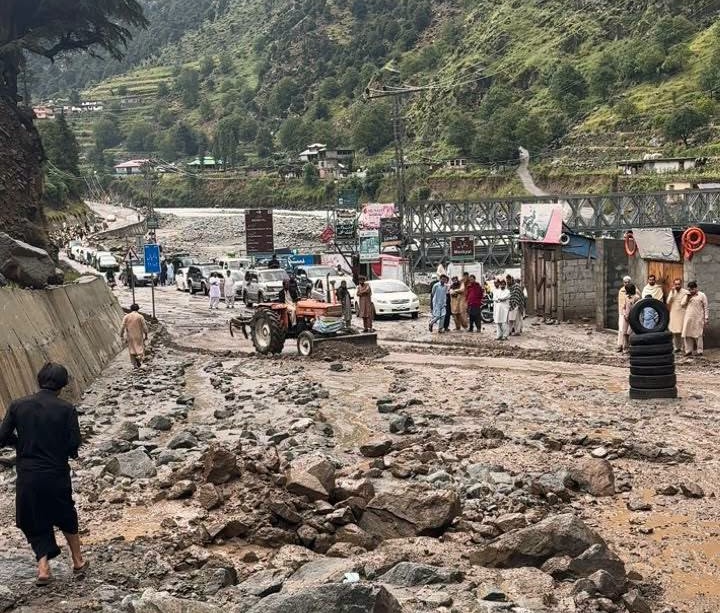
Nepal’s August 2026 floods caused an estimated US$1.66 billion in direct physical damage, with infrastructure accounting for 83 per cent of the total…reports Asian Lite News Desk Nepal’s devastating floods in August 2026 caused an estimated US$1.66 billion in direct physical damage, with infrastructure accounting for 83 per cent of the total, according to a World Bank report. The estimate, included in the World Bank’s Nepal Development Update unveiled this week, is close to the Nepal government’s preliminary Rapid Damage and Needs Assessment (RDNA), which put physical damage at US$1.81 billion. The government’s assessment also estimated losses beyond physical assets at US$883.32 million, taking the total economic effects of the disaster to approximately US$2.7 billion. The World Bank’s Global Rapid Post-Disaster Damage Estimation (GRADE) found that infrastructure suffered the greatest damage, estimated at US$1.38 billion, or 83 per cent of the total. Residential buildings accounted for US$185 million, or 11 per cent, while non-residential buildings sustained damage worth US$101 million, or 6 per cent. The floods along the Bhotekoshi and Trishuli rivers caused extensive damage to hydropower projects, solar energy facilities, electricity transmission infrastructure and transport networks. The energy sector, particularly hydropower, was among the worst affected. The August 2026 floods affected 12 hydropower projects and one solar project, involving 281.1 MW of operational capacity and 395.02 MW of capacity under construction. Damage to transmission lines and substations also disrupted the transmission of 149.6 MW of electricity to the national grid. The total affected capacity reached approximately 430.7 MW, equivalent to 10.6 per cent of Nepal’s installed hydropower and solar capacity at the end of fiscal year 2025-26, which concluded in mid-July. The disaster also severely damaged transport infrastructure along the 82-km Rasuwa trade corridor, which connects Kathmandu with the Rasuwagadhi border point with China. More than 55 km of the corridor was damaged, including 40 km that was completely destroyed. The floods also damaged 37 motorable bridges and 68 suspension bridges. The disaster resulted in significant human losses along the affected corridor and beyond. According to Nepal’s National Disaster Risk Reduction and Management Authority, 1,455 people had been confirmed dead, while 5,285 remained missing following the disaster. The World Bank report found that the physical damage was concentrated in three districts in central Nepal: Rasuwa, Nuwakot and Dhading. Rasuwa was the worst-affected district, accounting for US$1.07 billion, or 64 per cent, of the total direct damage. Nuwakot recorded an estimated US$551 million in damage, while Dhading suffered approximately US$39 million. “The findings highlight the concentration of physical damage in a small number of districts and the disproportionate impact on infrastructure, underscoring the scale of the reconstruction challenge facing the affected areas,” the World Bank said. The global development financier said the floods had demonstrated the scale and complexity of disaster risks in Nepal’s Himalayan environment. The event also showed how a single extreme weather event could trigger cascading impacts across sectors and geographical areas. The report said recovery efforts should extend beyond restoring infrastructure to its pre-disaster condition. While the principle of “Build Back Better” remained relevant, the World Bank stressed that rebuilding infrastructure to higher engineering standards in the same locations might not always be sufficient. “In some cases, simply rebuilding the same infrastructure in the same location to a higher engineering standard may not be sufficient. Nepal may need to build differently — based on a better understanding of risk, more careful decisions about location and design, greater redundancy in critical networks, stronger monitoring and early warning, and a more integrated approach to infrastructure development in the Himalayas,” the report said. The World Bank said Nepal’s recovery strategy should incorporate improved risk assessment, more informed infrastructure planning, stronger monitoring systems and better early warning mechanisms. The report emphasised that reconstruction should not only restore damaged assets but also reduce the impact of future disasters, particularly in the country’s vulnerable Himalayan regions.

Vaccine Delays Fuel Bangladesh Measles Outbreak

More than 32,000 suspected cases and over 250 deaths have been reported since mid-March, with children making up most of the fatalities….reports Asian Lite News Desk Bangladesh’s measles outbreak has intensified, with
Go toTop

Don't Miss

IOM Over 1mn Afghans return from Iran, Pak this year

More than 1 million Afghan refugees have returned or been

TTP wants to topple Pak govt out of KP, says US report

The report also criticized Pakistan’s failure to sustain its counter-terrorism