Arrest of US national Matthew VanDyke exposes suspected foreign operative networks, northeast border vulnerabilities and geopolitical undercurrents, raising fresh security concerns across India’s sensitive eastern corridor, reports Asian Lite Newsdesk
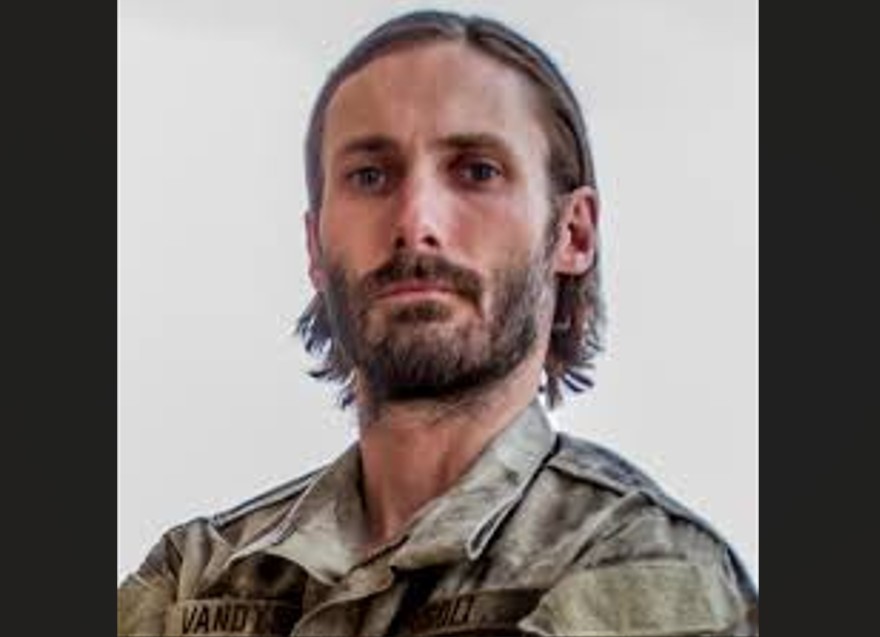
The arrest of American national Matthew VanDyke has opened up a complex investigation with significant national security implications, exposing what officials believe could be a wider network of foreign operatives operating across India’s sensitive eastern corridor.
VanDyke was among seven foreign nationals detained by India’s National Investigation Agency (NIA), alongside six Ukrainian citizens, over allegations of links with anti-India activities and attempts to establish contact with ethnic armed groups in Myanmar. Investigators say the group entered India on tourist visas before allegedly moving towards restricted border regions without proper authorisation.
A shadowy profile
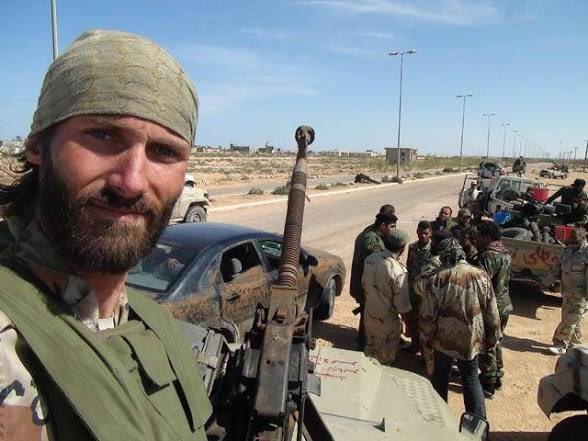
Initial findings suggest that VanDyke’s profile extends far beyond that of a self-described journalist and filmmaker. Officials examining his digital footprint have uncovered links to multiple global conflict zones, including involvement in the Libyan Civil War, where he reportedly fought alongside rebel forces.
Sources indicate that he later founded a training outfit providing “special forces-style” instruction to armed groups, covering guerrilla tactics, drone operations and modern combat methods. His activities, including alleged appeals to recruit fighters globally, have raised concerns about whether India may have been used as a transit or operational base.
Northeast corridor under scrutiny
The case has thrown renewed focus on India’s porous northeastern borders, particularly routes connecting to Myanmar. Authorities are probing whether the accused sought to train insurgent groups or facilitate cross-border networks using civilian cover.
India’s Ministry of External Affairs, through spokesperson Randhir Jaiswal, confirmed that the accused may have travelled to protected areas without required permits, an issue now under judicial examination.
Ukraine has sought an independent probe and consular access for its detained nationals, with ambassador Oleksandr Polishchuk raising the matter diplomatically. Kyiv has denied any state involvement, rejecting suggestions of links to anti-India activities.
Investigators are examining multiple theories, ranging from freelance mercenary operations to the possibility of larger geopolitical agendas. Some analysts have linked the case to evolving global conflicts, including the Russia-Ukraine War, while others point to patterns of covert activity across regions such as Sudan, Syria and Libya.
The case also draws parallels with the mysterious death of Terrence Arvelle Jackson in Bangladesh last year, which triggered speculation over covert operations in South Asia. While officially deemed non-suspicious, unanswered questions around his movements and activities continue to linger.
These developments have heightened concerns about the use of South Asian territories as theatres for covert operations, intelligence gathering and insurgency training. The NIA is continuing its probe to establish the full extent of the network and determine whether India’s territory was being exploited as a strategic corridor.