Pakistan faces rising instability amid the Iran-Arab conflict, domestic unrest, and strategic pressures, leaving the country vulnerable while balancing alliances, security, and regional interests, reports Asian Lite Newsdesk
As the Iran-Arab conflict escalates, Pakistan finds itself increasingly exposed, caught between regional powers and domestic unrest. The country’s position along Iran’s eastern frontier and its alliance with Saudi Arabia and the United States has placed immense pressure on Islamabad, making it a potential flashpoint in a widening war.
Recent events in Gilgit-Baltistan, a Shia-majority region administered by Pakistan, underscore the tensions. On March 1, security forces clashed with protesters loyal to Iran following the assassination of Ayatollah Khamenei. The violence left 18 dead, including eight children, prompting authorities to impose curfews to restore order. Reports indicate that demonstrators also attacked military positions, killing two soldiers and setting fire to government structures.
China has expressed concern that unrest in Gilgit-Baltistan could disrupt its China-Pakistan Economic Corridor (CPEC), jeopardising trade and the transit of goods through the region. The Karakoram Highway, a key artery for the corridor, has already faced disruptions from both natural hazards and political unrest, highlighting the vulnerability of Pakistan’s northern territories amid regional tensions.
Law enforcement agencies have reportedly detained dozens of individuals with suspected ties to Iran-backed groups, including prominent political and cultural activists, as part of efforts to curb further unrest. Critics say these actions risk inflaming domestic grievances and exacerbating sectarian divides during the holy month of Ramadan.
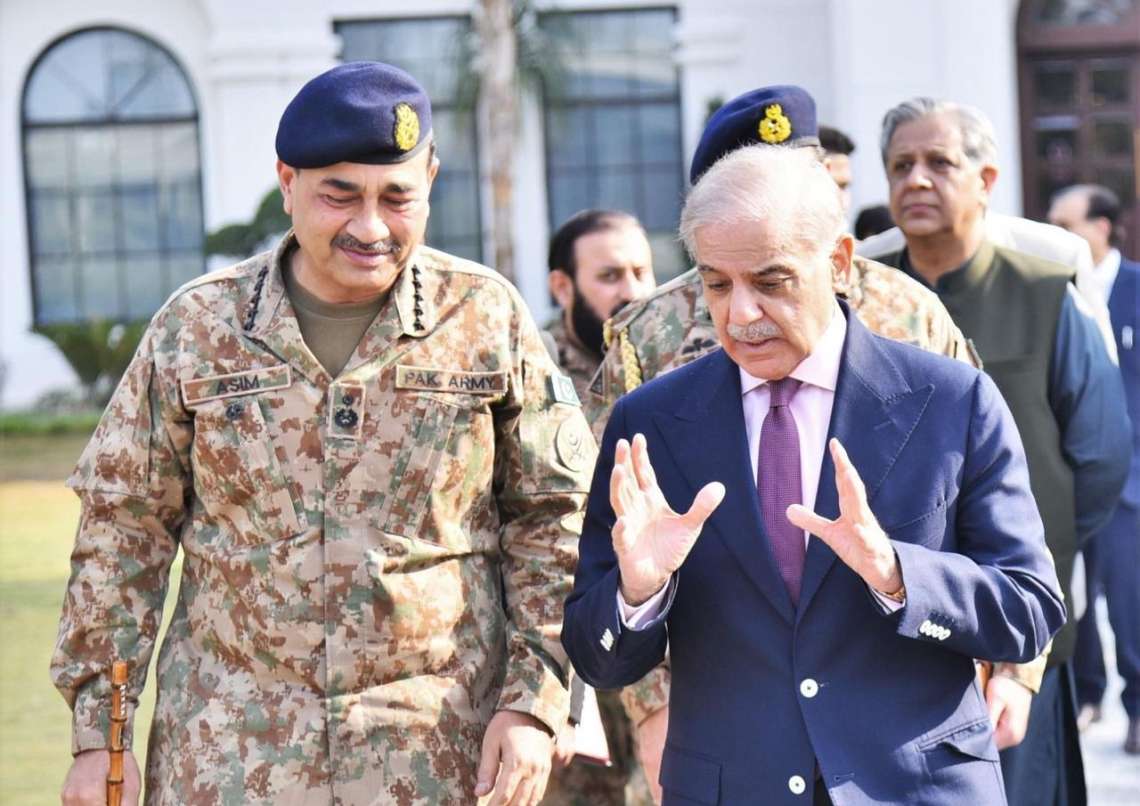
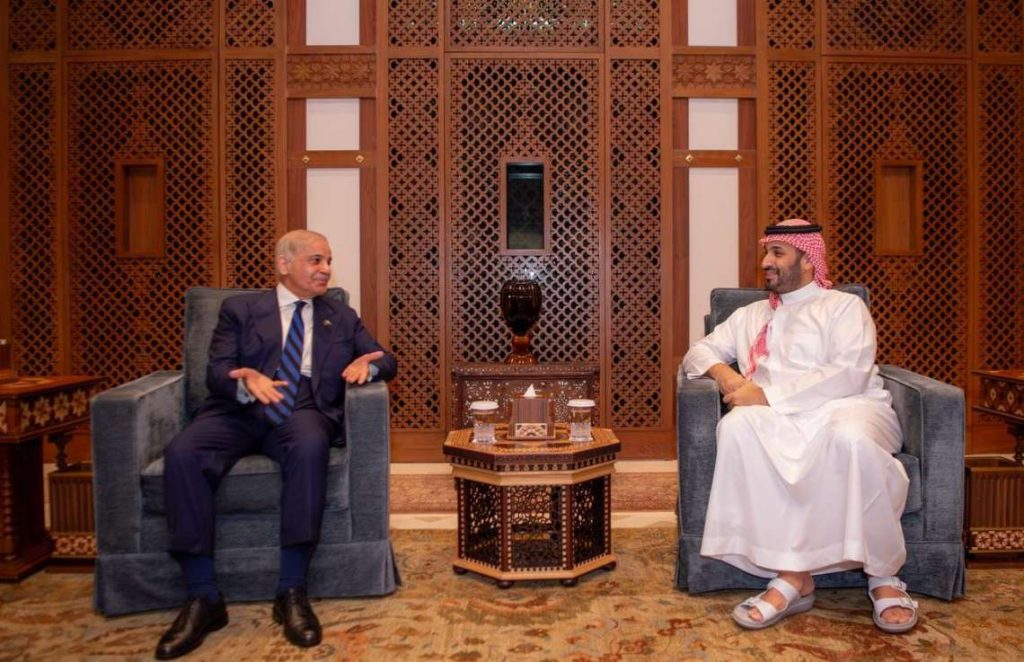
Pakistan’s military plays a central role in regional strategy, providing intelligence and logistical support to Arab and Western partners. Media narratives within the country have emphasised loyalty to allies like Saudi Arabia, while portraying Iran as an antagonist in regional disputes. Analysts note that Pakistan’s reliance on Arab support, energy imports via ports like Yanbu, and military funding shapes its stance in the conflict.
Meanwhile, Iran continues missile and drone attacks on Arab countries, with a smaller fraction of operations aimed at Israel. Tehran’s support for groups such as the Taliban has raised further security concerns in Pakistan, potentially exposing the country to retaliatory actions along its western borders.
Compounding Pakistan’s challenges, the army is concurrently engaged in counterinsurgency operations against Baloch separatists and Tehrik-i-Taliban Pakistan militants, while continuing airstrikes in Afghanistan to pre-empt cross-border threats. These operations, however, have strained relations with China, which seeks stability to protect its multi-billion-dollar investments in the region.
Security experts warn that any escalation between Iran and its neighbours could place Pakistan’s Shia population at heightened risk and further destabilise fragile northern provinces. Analysts suggest that the country’s current role in the conflict is largely driven by strategic and financial considerations, leaving Islamabad exposed with little to gain and much to lose.