India’s balanced West Asia strategy prioritises dialogue, protects citizens, secures energy, and maintains regional trade, showcasing strategic autonomy amid Iran-Israel tensions and Gulf instability, reports Asian Lite Newsdek
As tensions flare across West Asia, India has demonstrated a masterclass in strategic autonomy, pursuing a careful, balanced approach that prioritises dialogue over alignment with any single power. New Delhi’s handling of the ongoing Iran crisis underscores decades of measured foreign policy, where national interests, geography, and historical ties guide action rather than external pressure.
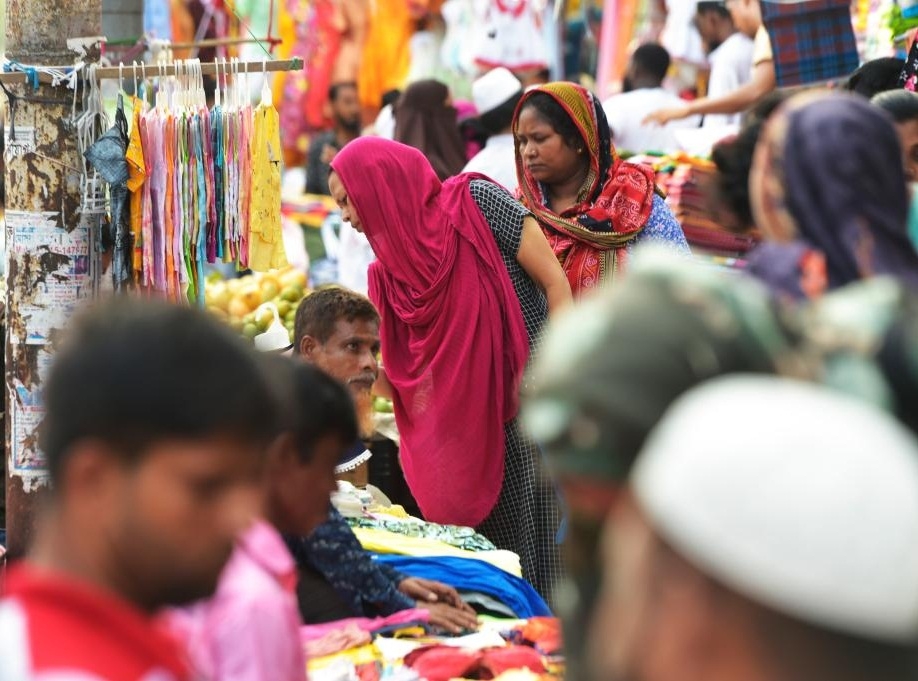
While India’s partnership with Israel has deepened over the years, particularly in technology and defence collaboration, New Delhi has deliberately refrained from taking sides in the current conflict. The Indian leadership has maintained robust engagement across the region, recognising both the strategic and human stakes. Approximately 10 million Indian professionals live in Gulf countries, which are also crucial for energy imports and investment, making regional stability a top priority.
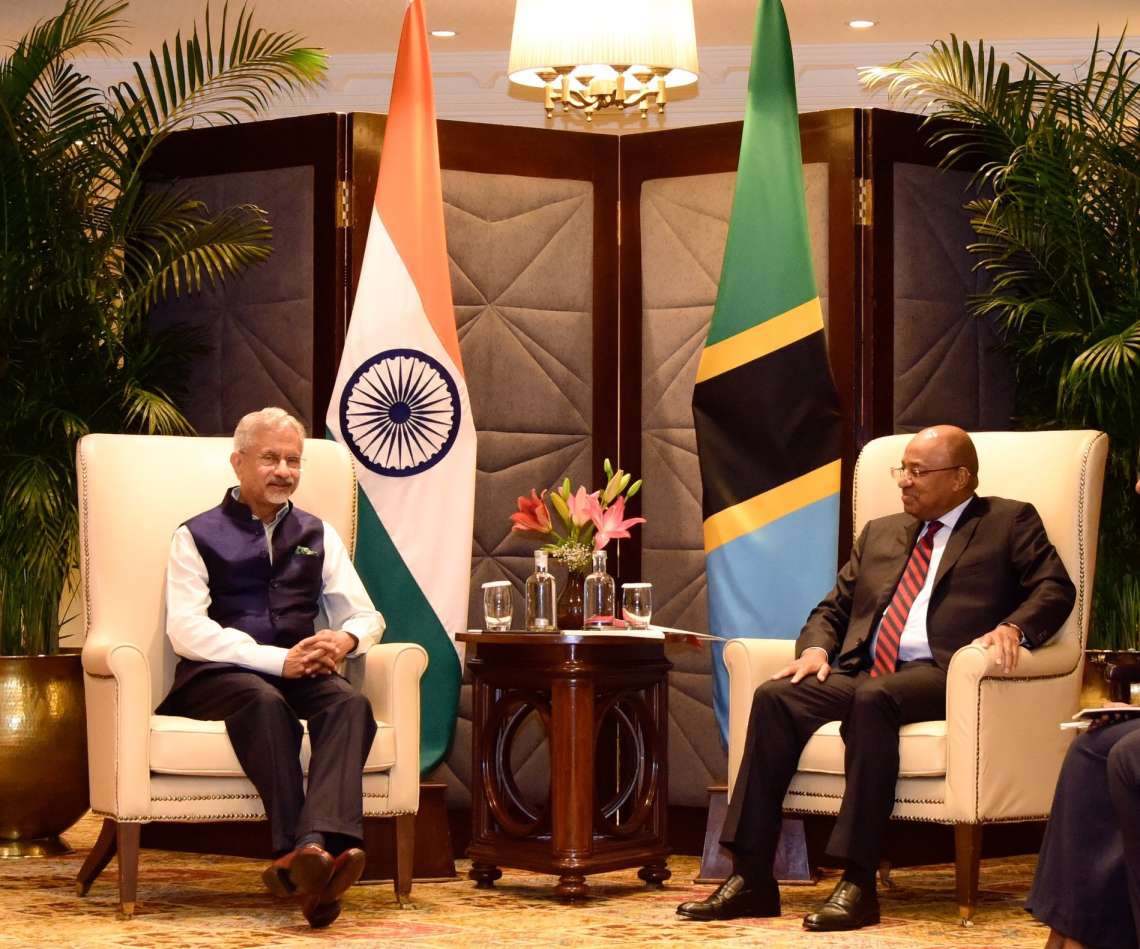
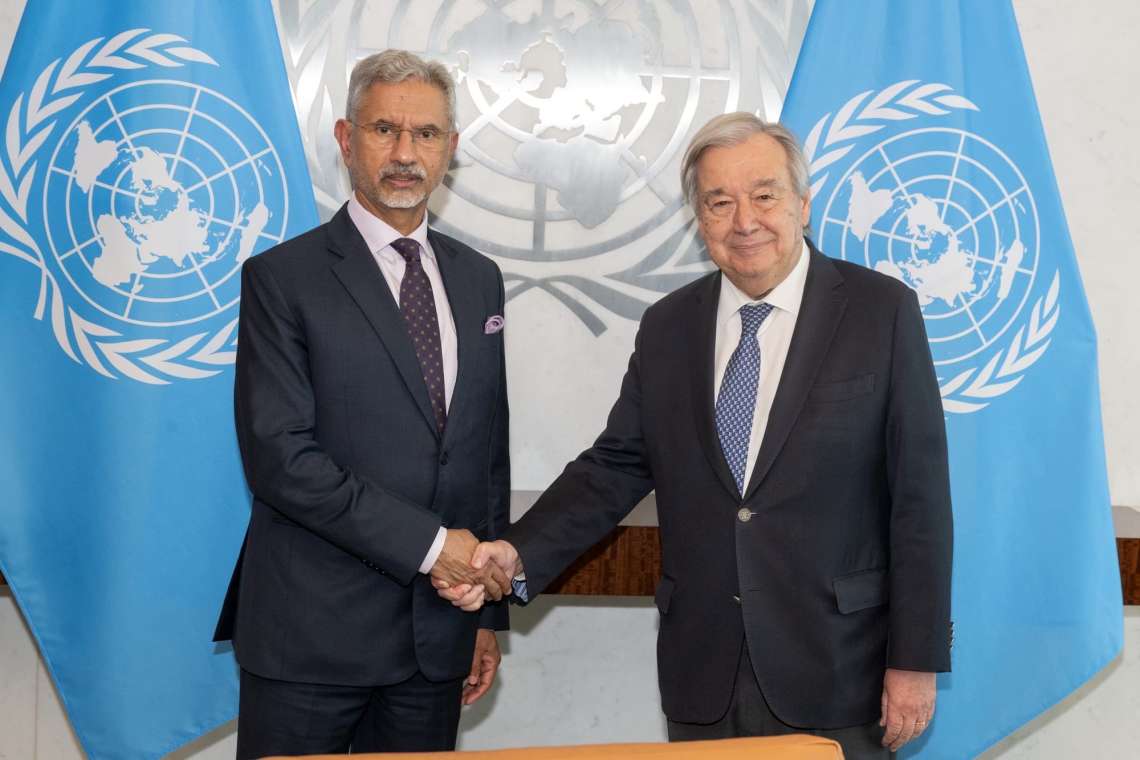
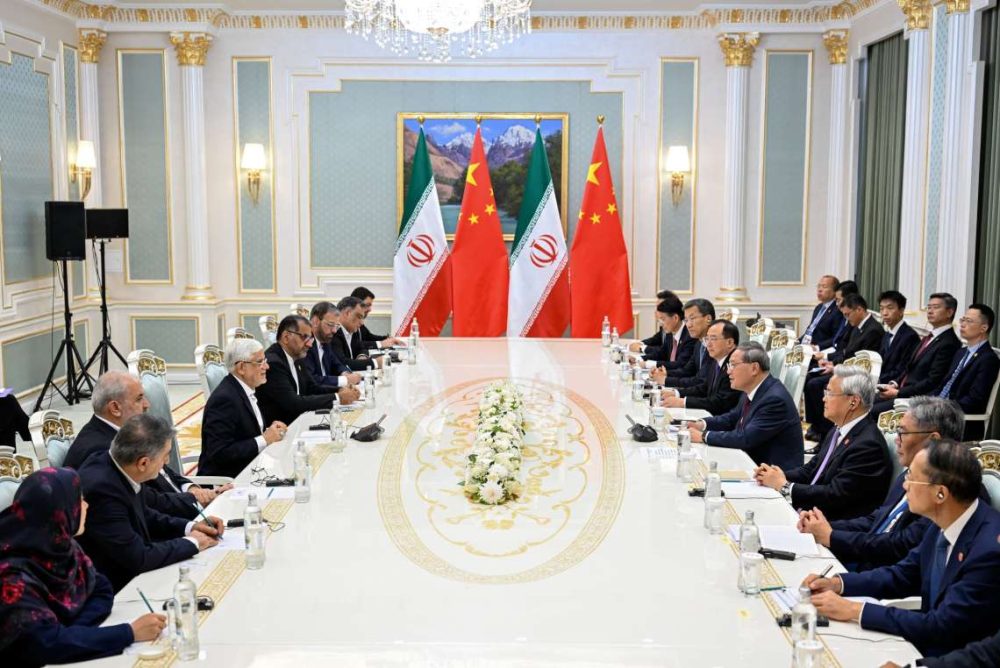
External Affairs Minister S. Jaishankar has led India’s diplomatic outreach, holding multiple discussions with Iranian counterparts and hosting Iran’s Deputy Foreign Minister at the Raisina Dialogue in early March. In Parliament on March 9, Jaishankar emphasised that dialogue and diplomacy remain essential tools to de-escalate tensions, safeguard Indian citizens abroad, and ensure the Gulf region remains stable.
New Delhi has already facilitated the repatriation of thousands of Indians stranded in conflict zones, reflecting the government’s priority on citizen welfare. Remittances from Gulf-based Indians form a critical part of the national economy, further linking India’s domestic interests with regional stability. Jaishankar stressed that energy security and the functioning of India’s enterprises in the region will continue to receive strong diplomatic support.
Trade and energy considerations also drive India’s balanced stance. Gulf countries remain India’s key trading partners, with annual commerce nearing US$200 billion and supplying essential crude oil and natural gas. Conflict in the region threatens both economic and energy security, reinforcing the rationale for neutrality and engagement rather than confrontation.
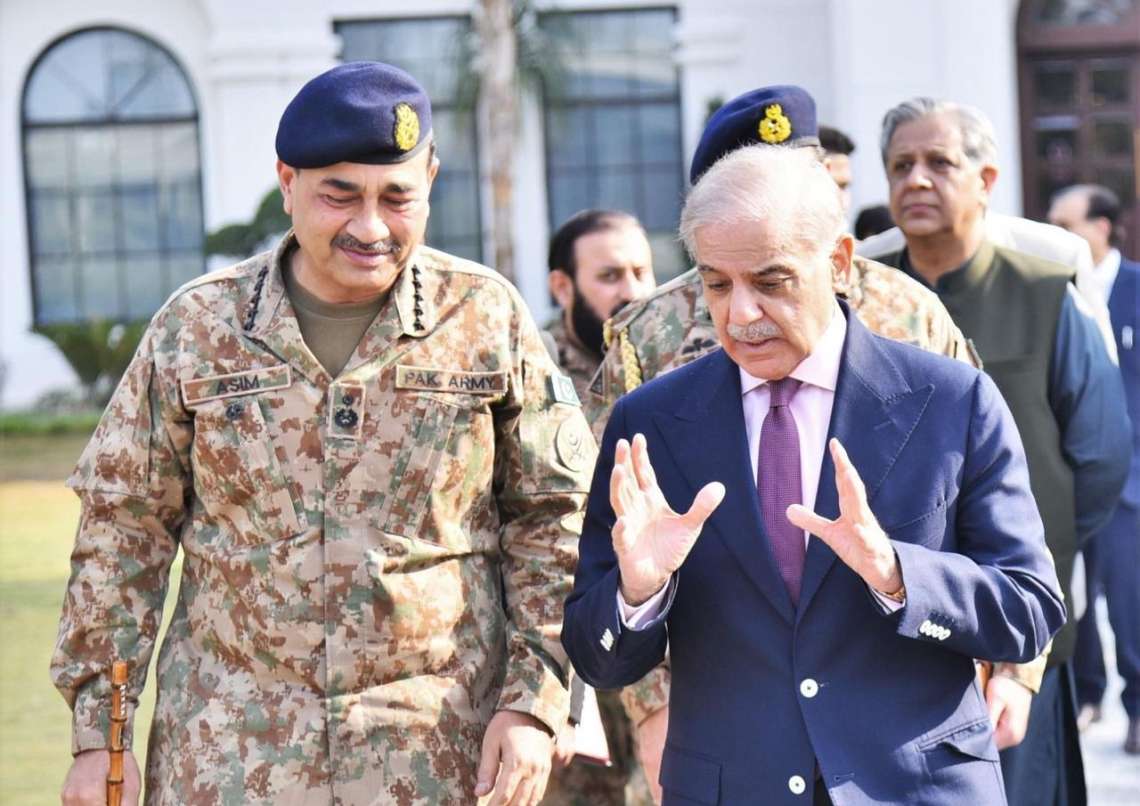
By contrast, Pakistan’s role in the crisis has been markedly different. Reports indicate Islamabad has provided airspace for operations against Iran, reflecting obligations under its defence pact with Saudi Arabia. In contrast, India’s policy prioritises both its own strategic and economic interests, maintaining cooperation with Iran on critical connectivity projects.
Iran’s strategic importance to India is multi-dimensional. It serves as a gateway to Eurasia, Afghanistan, and Armenia, supporting initiatives such as the International North-South Transport Corridor (INSTC) and Chabahar Port, both vital for regional trade and energy transit. India has secured sanctions waivers to ensure these projects remain operational, enabling continued economic and military connectivity. Iran also facilitates India-Armenia defence logistics, further strengthening regional ties.
Beyond geography, Iran boasts significant human capital and natural resources. With nearly 92 million people, a high literacy rate, and ranking among the world’s top oil and gas producers, Iran is a formidable regional actor. Recognising these factors, India’s policy combines pragmatism with diplomacy, keeping channels open with all key regional stakeholders.